John Anthony Proia III, 41, was arrested and indicted in Boston for cyberstalking Katie Miller, wife of White House Deputy Chief of Staff Stephen Miller. Prosecutors allege he sent over 40 threatening calls and texts using spoofed numbers between August and September. The case followed a dispute within the FBI, where two officials were demoted for initially refusing to investigate the threats.
John Anthony Proia III, 41, was arrested and indicted in Boston for cyberstalking Katie Miller, wife of White House deputy chief of staff Stephen Miller. Prosecutors allege he sent over 40 threatening calls and texts using spoofed numbers between August and September. The case followed a high-profile internal FBI dispute where two counterterrorism officials were demoted for initially refusing to investigate the threats.
John Anthony Proia III, 41, was indicted in federal court in Boston for cyberstalking Katie Miller, wife of White House deputy chief of staff Stephen Miller. Prosecutors allege he sent over 40 threatening calls and texts using spoofed numbers between August and September. The case followed a high-profile internal FBI dispute where two counterterrorism officials were demoted for initially refusing to investigate the threats.
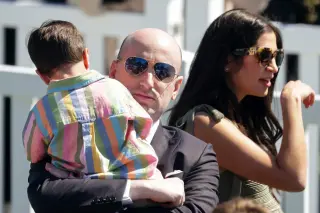
John Anthony Proia III, a 41-year-old Massachusetts man, was arrested and indicted on Thursday for cyberstalking Katie Miller, the wife of White House Deputy Chief of Staff Stephen Miller. Prosecutors allege Proia sent over 40 threatening calls and texts using spoofed numbers between August and September. The case followed a high-profile internal FBI dispute where two counterterrorism officials were demoted for initially refusing to investigate the threats.
John Anthony Proia III, 41, was indicted on Thursday for cyberstalking Katie Miller, wife of White House deputy chief of staff Stephen Miller. Prosecutors allege he sent over 40 threatening calls and texts using spoofed numbers. The case followed internal FBI disputes and the demotion of two counterterrorism officials who initially deemed the threats insufficient for investigation.
The family of Renee Good, who was fatally shot by an ICE agent in Minneapolis in January 2026, has filed two civil lawsuits against the U.S. government and specific federal officials. The first suit targets the federal government under the Federal Tort Claims Act for wrongful death, while the second names individuals including White House Deputy Chief of Staff Stephen Miller and former DHS Secretary Kristi Noem, alleging a coordinated conspiracy to target Somali and Hispanic communities. The lawsuits follow a six-month waiting period after the family notified agencies of their intent to sue, with no response received from the government.
Two senior FBI counterterrorism agents were removed from their posts after refusing to investigate harassing phone calls to Katie Miller, the wife of White House adviser Stephen Miller. The move has sparked outrage among career agents who view the action as political interference, while the White House claims the agents were stifling legitimate threat assessments.
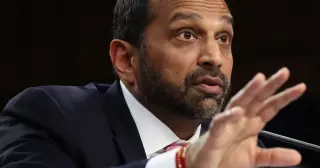
Two senior FBI agents in charge of counterterrorism in Washington have been removed from their posts and reassigned to headquarters following a dispute over the handling of an investigation into alleged harassing phone calls directed at Katie Miller, the wife of White House deputy chief of staff Stephen Miller. According to sources familiar with the matter, the agents determined that the calls did not meet the threshold for an FBI investigation or have any nexus to terrorism. However, bureau leadership disagreed with this assessment, leading to the ousting of Michael Burgwald, the special agent in charge, and his deputy, Courtland Rae. The move has sparked internal criticism among career agents who view the decision as politicized, particularly given the broader pattern of personnel changes under FBI Director Kash Patel. While the White House framed the reassignment as a necessary step to address stifled investigations into serious threats, the FBI’s Washington field office chief denied that the order came from Director Patel, describing it as a local personnel decision based on mission needs.
Two senior FBI counterterrorism officials were demoted and reassigned to headquarters after disagreements over the investigation of alleged harassing phone calls made to Katie Miller, wife of White House deputy chief of staff Stephen Miller. The move, confirmed by FBI leadership, has drawn criticism from career agents who view it as politicized and a weakening of the bureau's counterterrorism capabilities.
Two senior FBI counterterrorism officials were demoted and reassigned to headquarters after a dispute over the investigation into alleged harassing phone calls directed at Katie Miller, wife of White House deputy chief of staff Stephen Miller. The move, confirmed by the FBI on September 26, 2026, followed criticism from the Miller family and White House leadership that the probe was progressing too slowly. While the bureau’s Washington field office chief denied that Director Kash Patel ordered the change, sources indicate the decision stemmed from frustration over what was perceived as a lack of urgency in addressing threats against a high-profile official’s family.
The FBI transferred two senior counterterrorism officials from the Washington Field Office to headquarters following a review of their handling of alleged threats against Stephen Miller’s wife, Katie Miller. The move, driven by frustration from the Miller family and White House leadership, reflects concerns that the investigation into harassing phone calls was progressing too slowly. While the officials were not fired, their reassignment marks a significant loss of experienced personnel in a unit critical to combating Middle East-related extremism. The White House confirmed the decision was made by senior FBI leadership to address what it described as stifled investigations into serious threats, though the FBI’s local chief denied that Director Kash Patel ordered the change, calling it a local personnel decision based on mission needs.
The Trump administration has spent $410 million to deport over 25,000 people to 31 countries where they have no ties, bypassing human rights safeguards. A federal appeals court recently ruled this policy illegal, but the administration plans to appeal to the Supreme Court.
The Trump administration has deported over 25,000 people to 35 third countries, spending $410 million on deals to bypass legal protections. A federal appeals court recently ruled the policy unlawful due to lack of due process, but the government is appealing. Critics describe the program as a 'show of force' that sends migrants to dangerous, unfamiliar lands, while the administration claims it targets criminals.
Conservative podcaster Katie Miller has spent nine months criticizing rival AI companies like OpenAI and Google while holding a significant, undisclosed financial stake in Elon Musk’s xAI. A Washington Post analysis found she posted nearly 500 times against competitors but promoted xAI’s Grok chatbot 161 times. Her $1 million investment in xAI, revealed in a White House financial disclosure, coincided with a major funding round. Legal experts argue she violated Federal Trade Commission rules by failing to disclose this conflict of interest, though enforcement mechanisms remain weak.
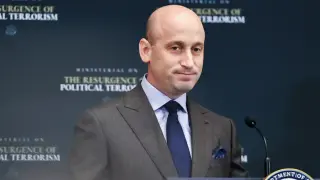
White House deputy chief of staff Stephen Miller says the Trump administration is pursuing a policy to debank illegal immigrants by tightening banking access to spur self-deportation, following an executive order directing banks and regulators to scrutinize accounts and credit applications tied to unauthorized workers; federal guidance has urged lenders to consider immigration status in lending decisions.