Tag

Environmental Contamination

All articles tagged with #environmental contamination

Oxfam Report: Gaza’s Environment Degraded by 200,000 Tonnes of Explosives
environment1 day ago

Oxfam Report: Gaza’s Environment Degraded by 200,000 Tonnes of Explosives

A joint report by Oxfam and the Conflict and Environment Observatory asserts that 99% of Gaza shows signs of environmental contamination following three years of war. The study identifies heavy metals, asbestos, and dioxins in soil and water as long-term health threats. With all wastewater plants offline and debris unremoved, residents face rising rates of respiratory illness, cancer, and skin diseases. The report calls for an independent environmental assessment before any cleanup begins, noting that testing is currently hindered by destroyed labs and restricted access for experts.


Iowa Court Halts Army’s Plan to Detonate Unstable Lead Azide Amid Lead Exposure Fears

Iowa Court Halts Army’s Plan to Detonate Unstable Lead Azide Amid Lead Exposure Fears

A federal appeals court has temporarily suspended an EPA permit allowing the U.S. Army to detonate approximately five tons of unstable lead azide at the Iowa Army Ammunition Plant in Middletown. The blast, originally scheduled for November 20 and postponed to November 23, was blocked after environmental groups sued over concerns that the explosion would spread toxic lead dust across farmland, waterways, and communities. While the Army argues the material is too volatile to transport safely, critics contend the detonation poses unacceptable health risks and that safer chemical neutralization options were improperly rejected. The Justice Department opposes the stay, citing imminent safety hazards, but the court’s order leaves the detonation’s future uncertain pending further rulings.

Army delays Iowa lead azide detonation to Monday after environmental lawsuit and governor’s intervention
environment-and-public-health4 days ago

Army delays Iowa lead azide detonation to Monday after environmental lawsuit and governor’s intervention

The U.S. Army postponed a planned controlled detonation of 68 barrels of unstable lead azide at the Iowa Army Ammunition Plant in Middletown from November 20 to November 23. Acting Secretary Adam Telle cited public safety and a forecasted temperature drop that could further destabilize the material as reasons for the delay. The operation, originally scheduled for noon on Friday, involves destroying degraded explosives that became too sensitive to transport after water evaporation in storage tanks. Environmental groups sued to block the detonation, arguing the Army failed to consider safer alternatives. The EPA had granted an emergency permit, stating the unstable material posed an imminent threat. Residents in Middletown and surrounding areas were advised to evacuate or stay indoors due to risks of toxic lead dust plumes, shattered windows, and long-term soil contamination.

UK Launches First National Biomonitoring Study for PFAS and Other Chemicals
health-and-science20 days ago

UK Launches First National Biomonitoring Study for PFAS and Other Chemicals

The UK Health Security Agency (UKHSA) has launched its first major study to measure levels of 'forever chemicals' (PFAS) and other contaminants in the population. Using blood and urine samples from the Health Survey for England, the agency aims to establish baseline exposure levels for PFAS, lead, arsenic, and flame retardants. While current evidence suggests health impacts are likely limited, the study seeks to address gaps in understanding long-term individual risks. Initial results are expected in 2027, though the government advises against routine individual testing due to a lack of established clinical interventions.

Australia seeks record damages from 3M over forever chemicals at military bases
world5 months ago

Australia seeks record damages from 3M over forever chemicals at military bases

Australia filed a Federal Court case against 3M and its Australian unit seeking more than AU$2 billion (about $1.4 billion) to cover past and future costs from PFAS contamination from firefighting foams at 28 defense bases. The Department of Defence has already spent about AU$1.3 billion on cleanup, removing 200,000 metric tons of contaminated soil and treating 13 billion liters of water. 3M says it never manufactured PFAS in Australia and that these products were no longer sold there decades ago, while the government notes the defense department continued using PFAS-containing foams for nearly two decades after that.

Wildlife as vectors for antibiotic‑resistant bacteria across ecosystems
animals7 months ago

Wildlife as vectors for antibiotic‑resistant bacteria across ecosystems

A study of wildlife in northern Italy finds foxes and several bird species carry hospital-linked Klebsiella pneumoniae strains that resist multiple antibiotics, including the NDM-5 gene, signaling that antibiotic resistance is present beyond clinical settings. Researchers say wildlife can act as sentinels for environmental contamination and help map how resistance travels through ecosystems, aided by factors like wastewater and waste runoff. The findings show a low prevalence (about 2%) but indicate environmental reservoirs of high‑risk clones (like ST307) and shared plasmids, highlighting the need for broader wildlife monitoring and cleaner wastewater to slow the spread.

"Study Finds Radium in Mussels Near Wastewater Treatment Plant"
environment2 years ago

"Study Finds Radium in Mussels Near Wastewater Treatment Plant"

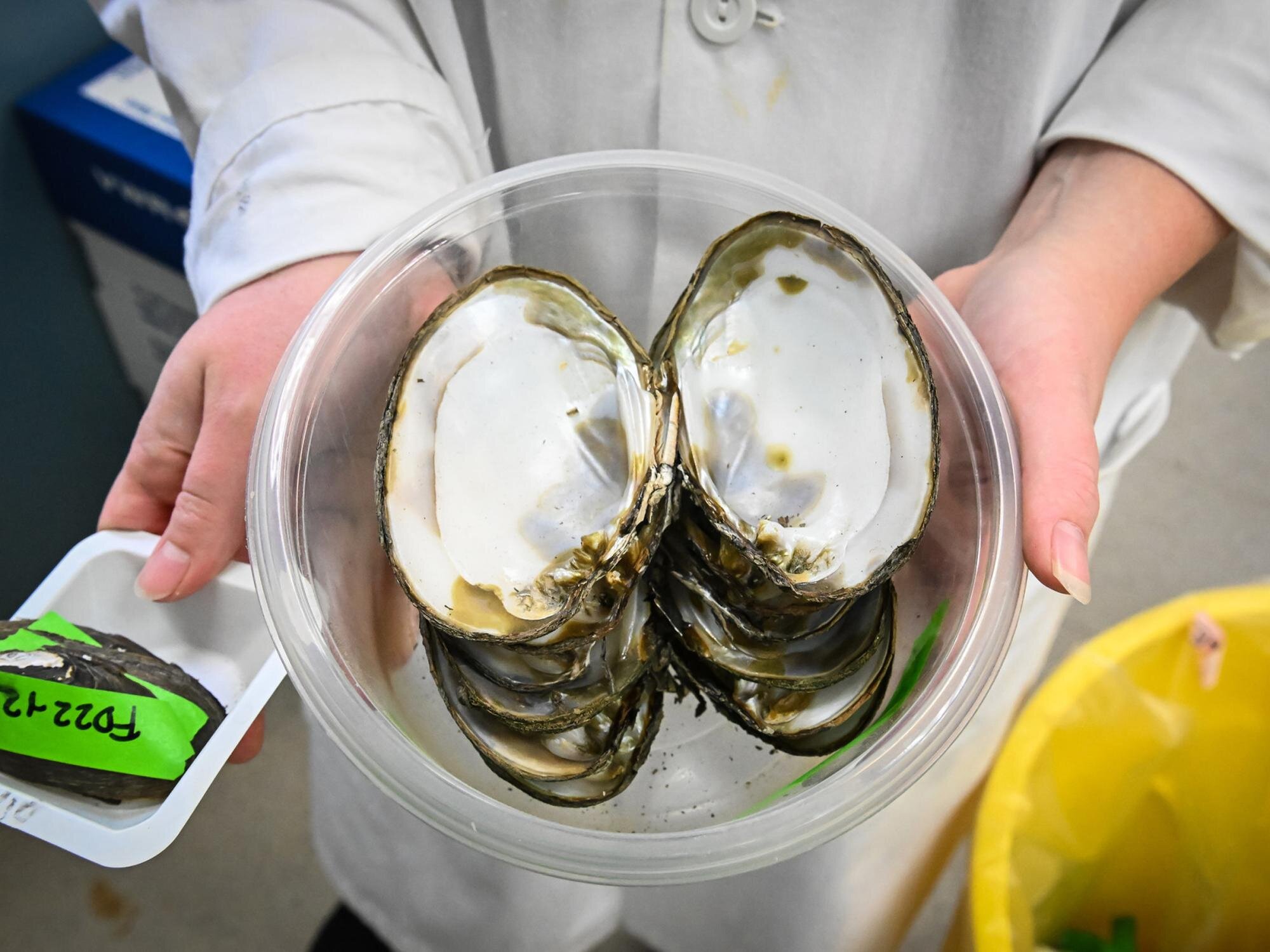
A study by Penn State researchers found that freshwater mussels downstream of a decommissioned wastewater treatment plant in Western Pennsylvania, which had treated fracking wastewater, contained radium in their tissues and shells. The contamination, traced to the Marcellus Shale fracking operations, raises concerns about the ecological impact and potential health risks to other aquatic life and species that consume mussels.

"Toxic Chemical Discoveries in Long Island Raise Cancer Fears"
environment2 years ago

"Toxic Chemical Discoveries in Long Island Raise Cancer Fears"

Long Island residents and officials are outraged after the discovery of 55-gallon steel drums filled with toxic chemicals buried at Bethpage Community Park, a former dumping ground for aerospace manufacturer Northrop Grumman. The site has been linked to a groundwater plume and cancer prevalence in the community. Residents fear a tainted childhood and are increasingly joining class actions or filing personal injury lawsuits. Northrop Grumman denies culpability and is working with authorities to address the situation. A personal injury attorney alleges that the manufacturer's historic operations led to expansive air pollution and toxic legacy, and a class action lawsuit is ongoing.

"Seafood Consumption Linked to Higher PFAS Exposure Risk"
health-and-environment2 years ago

"Seafood Consumption Linked to Higher PFAS Exposure Risk"

A new study has found concerning levels of toxic PFAS, or "forever chemicals," in seafood, particularly in shrimp, lobster, and canned tuna. PFAS are human-made substances that remain in the environment for a long time and have been associated with serious health issues. While the study does not suggest avoiding seafood entirely, it highlights the potential risks of PFAS exposure for those with high-seafood diets. The research emphasizes the need for more investigation into the effects of these chemicals in humans and the importance of reducing PFAS exposure through various sources, including drinking water and food packaging.

"Link Between High Seafood Diets and Increased Forever Chemical Exposure Revealed in Study"
health-and-environment2 years ago

"Link Between High Seafood Diets and Increased Forever Chemical Exposure Revealed in Study"

A new U.S. study warns that frequent consumption of seafood may increase the risk of exposure to "forever chemicals" known as PFAS, which are linked to various health issues. The research, focusing on New Hampshire residents, found high levels of PFAS in shrimp and lobster, with shellfish being particularly susceptible due to their feeding and living habits. The study recommends stricter public health guidelines for seafood consumption, especially for vulnerable groups, while emphasizing the importance of balanced seafood consumption for its health benefits. The need for safety guidelines is urgent in coastal regions like New England, where seafood is integral to the culture, and there are currently no federal guidelines for PFAS contamination in seafood.

"Study Warns of Elevated PFAS Risk in Shrimp and Lobster Dishes"
health-environment2 years ago

"Study Warns of Elevated PFAS Risk in Shrimp and Lobster Dishes"

A study by Dartmouth College researchers found dangerously high levels of cancer-causing PFAS in shrimp and lobster purchased in New Hampshire, raising concerns about seafood as a source of toxic "forever chemicals." PFAS, which take thousands of years to break down, are found in various products and have been linked to numerous health issues. The study highlights the need for stricter public health guidelines on safe seafood consumption to limit PFAS exposure.

"Baltimore's Key Bridge Cleanup Raises Concerns Over Environmental Contamination and Legal Complications"
environment2 years ago

"Baltimore's Key Bridge Cleanup Raises Concerns Over Environmental Contamination and Legal Complications"

As authorities clean up the wreckage from the collapse of Baltimore’s Francis Scott Key Bridge, concerns about potential environmental contamination arise due to the hazardous materials carried by the container vessel that struck the bridge. While no immediate threat to the environment has been detected, experts remain cautious and emphasize the need for ongoing testing, community engagement, and transparency in the cleanup process to address potential risks to the Patapsco River and surrounding areas.