
White House Uses 'Pocket Rescission' to Cancel $810M in Domestic Spending
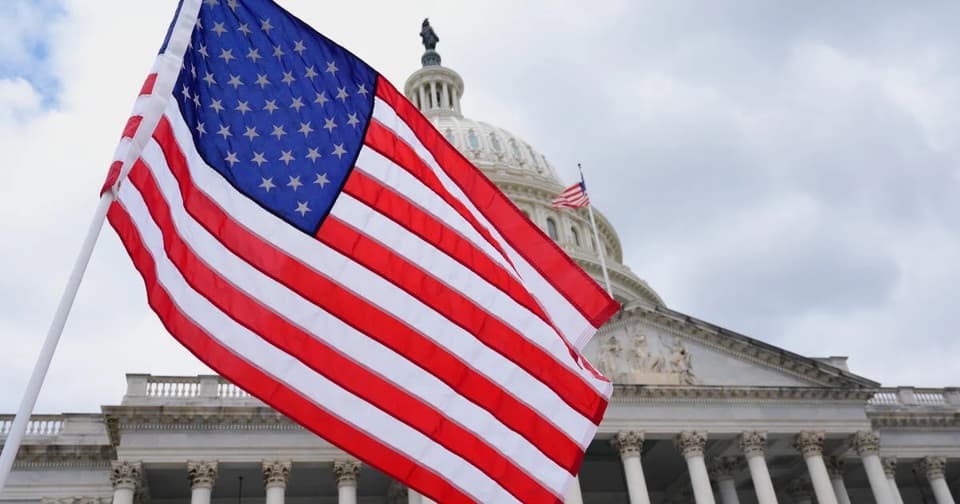
The White House announced a 'pocket rescission' to cancel approximately $810 million to $1 billion in congressionally approved domestic spending, targeting refugee services, minority business initiatives, and education programs. The move, announced five days before the fiscal year ended, leaves Congress with insufficient time to review the cuts, sparking bipartisan condemnation over the erosion of legislative power.
Key points
- The administration is canceling nearly $1 billion in approved spending, with the New York Times specifying $810 million for education and health programs.
- Major cuts target Health and Human Services programs for refugees and unaccompanied minors, as well as Department of Education initiatives for migrant students.
- The White House justified the cuts by citing reduced illegal border crossings and labeling some programs 'ideological' or 'harmful.'
- The timing, announced five days before the fiscal year ended, prevents Congress from exercising its standard 45-day review period.
- The move follows a similar $4.9 billion foreign aid rescission last year, which the Supreme Court allowed to stand based on foreign affairs authority.
Background
This action follows a pattern of the Trump administration using executive tools to bypass Congress, including a $4.9 billion foreign aid rescission in 2025 and recent disputes over a $1.8 billion anti-weaponization fund. Earlier in September, Democrats warned that the White House might let billions in Hill-approved aid lapse, highlighting ongoing tensions over executive control of the budget.
How outlets are covering it
The Los Angeles Times and The New York Times emphasize the legal and constitutional implications, noting that the Government Accountability Office considers 'pocket rescissions' illegal. WBAL-TV highlights the bipartisan backlash, including criticism from Republican Senator Susan Collins, while noting that some GOP lawmakers, like Senator Rick Scott, praised the cuts as necessary savings. The administration, via the Office of Management and Budget, argues the cuts target 'wasteful' spending that no longer serves American citizens, particularly given changes in border security.
Why it matters
The move tests the limits of presidential power over the budget, potentially setting a precedent for unilaterally canceling domestic spending without congressional approval. It escalates the conflict between the executive and legislative branches, with the House out of session until after the November election, making immediate legislative reversal impossible.
What to watch
Congress will likely attempt to address the 'illegal actions' through legislative or judicial channels once the House reconvenes. The Supreme Court may eventually rule on the legality of domestic pocket rescissions, following its previous decision on foreign aid. Lawmakers may also introduce safeguards in future spending bills to prevent similar executive overreach.
- Trump uses rare authority to claw back nearly $1 billion in Congress-approved funding Los Angeles Times
- Trump administration uses rare authority to claw back nearly $1B in spending approved by Congress Yahoo
- Trump bypasses Congress to cut nearly $1 billion in spending WBAL-TV
- White House orders over $800M in funds rescinded; Collins calls it 'clear violation' of law ABC News - Breaking News, Latest News and Videos
- Trump Proposes $810 Million in Education and Health Cuts, Defying Congress The New York Times
Want the full story? Read the original reporting
Read on Los Angeles Times