
Trump Rejects Iran's Seven-Day Plan to Reopen Strait of Hormuz
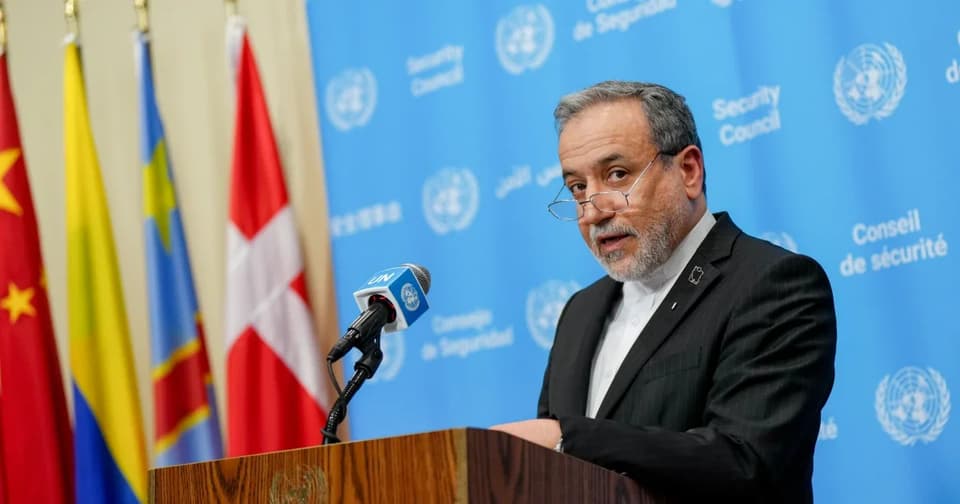
President Donald Trump rejected an Iranian proposal to reopen the Strait of Hormuz, stating Tehran’s offer was driven by financial desperation. Iranian officials had indicated that normal maritime passage could resume within seven days if the U.S. accepted a plan mediated by Qatar. The rejection follows indirect talks during the UN General Assembly, where the U.S. maintained a strong negotiating position due to its naval control of the waterway.
Key points
- Trump stated he rejected Iran's deal to immediately reopen the Strait of Hormuz, arguing Tehran was 'dying' for money from oil transit.
- Iranian Foreign Minister Abbas Araghchi confirmed a 'concrete seven-day plan' was ready to start once the U.S. accepted it, citing conditions from a collapsed June memorandum of understanding.
- A U.S. official noted the administration is not in a rush to agree, citing the transit of nearly 40 million barrels of oil through the strait in the previous 48 hours.
- Iranian President Masoud Pezeshkian expressed willingness to deal before the November midterm elections but warned that Tehran does not trust Washington.
- The U.S. imposed new sanctions on global companies doing business with Iranian airlines, aiming to ground Iran's civil fleet, while Iraq sought exemptions for humanitarian flights.
Background
This dispute follows a June memorandum of understanding that collapsed after fresh strikes, leading to a U.S. naval blockade. In August, Iran rejected U.S. claims of controlling the strait, insisting it remained under Tehran's management. Legal experts had previously noted that U.S. claims to the strait as territory were largely symbolic, as the waterway sits in international waters.
How outlets are covering it
NBC News highlights Trump's aggressive rhetoric, describing the U.S. blockade as the 'greatest in military history' and framing Iran's offer as a sign of weakness. Axios confirms the rejection but provides limited additional detail. Iranian officials, as reported by NBC, emphasize that the proposed conditions were already agreed upon in June and that the choice to reopen rests with the U.S. Pezeshkian maintains that resolution is possible through negotiation, not force, despite a lack of trust in Washington.
Why it matters
The Strait of Hormuz carries approximately 20% of the world's oil. Its closure or restricted access significantly impacts global energy markets and economic stability. The ongoing standoff between the U.S. and Iran, coupled with new sanctions on Iranian airlines, increases geopolitical tension and complicates regional humanitarian efforts, such as medical and religious travel through neighboring countries like Iraq and Oman.
What to watch
Negotiations may continue through mediators like Qatar, but the U.S. has indicated no urgency to reach an agreement. Iran may adjust its proposals or escalate rhetoric if the U.S. maintains its blockade. The November midterm elections in the U.S. could influence the timeline for any potential deal, as both sides monitor political shifts.
- Trump says he has rejected Iranian proposal to reopen Strait of Hormuz NBC News
- Exclusive | Trump Rejects Iran Ceasefire, Expects Renewed Bombing After Midterms WSJ
- Trump rejects Iran proposal to reopen Strait of Hormuz DW.com
- Trump posts map showing ‘Trump Strait’ off Iran, and other Mideast developments AP News
- Trump says he rejected the latest Iranian proposal Axios
Want the full story? Read the original reporting
Read on NBC News