
Zelenskyy rejects Trump's call for new leader, demands 60-day ceasefire for elections
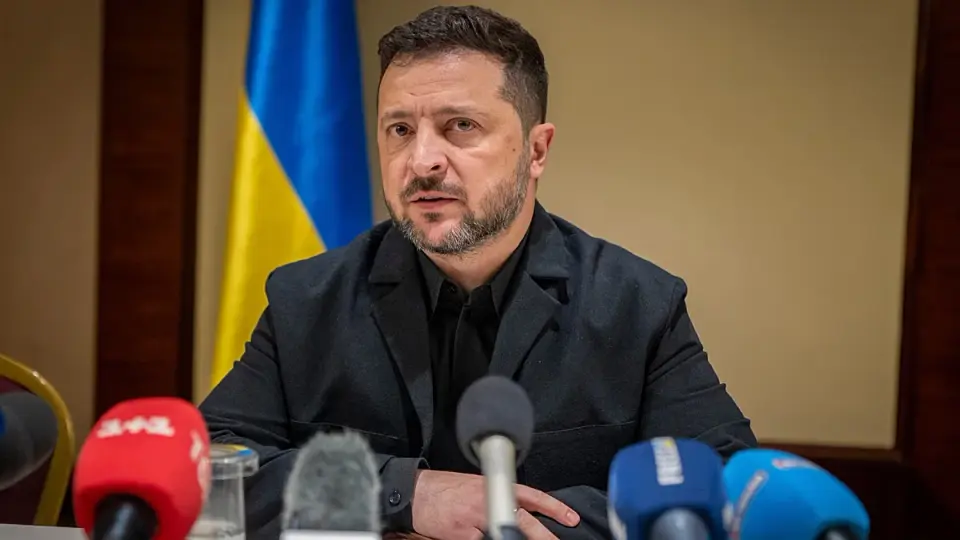
Ukrainian President Volodymyr Zelenskyy rejected US President Donald Trump's demand for a new leader, stating that only the Ukrainian people can choose their president. Zelenskyy proposed a 60-day total ceasefire as a precondition for holding elections, while offering to halt strikes on Russian refineries if Moscow stops attacking Ukrainian energy infrastructure. The dispute follows a controversial US-Russia diesel deal that reversed sanctions, drawing criticism from European allies and US lawmakers who argue the move funds Russia's war effort.
Key points
- Zelenskyy told ABC News that Ukraine could hold elections if Russia agreed to a 60-day total ceasefire, pushing back against Trump's call for a new president.
- Trump blamed Zelenskyy for high US diesel prices, claiming Ukraine's strikes on Russian refineries are driving up fuel costs ahead of midterm elections.
- Zelenskyy proposed a reciprocal deal: Ukraine would stop attacking Russian diesel infrastructure if Russia stops killing Ukrainian civilians and halts attacks on energy grids.
- A Ukrainian drone attack on Sunday shut down a Yandex data center in Vladimir, the third strike on the company's facilities in four days, disrupting services across Russia and neighboring countries.
- US envoys Steve Witkoff and Jared Kushner held a planned trip to Moscow, while the US reportedly threatened to stop sharing intelligence or selling weapons to Ukraine if strikes continue.
Background
This crisis follows a US-Russia agreement to purchase Russian diesel, reversing previous sanctions. European leaders, including the UK, Germany, and Poland, have reaffirmed support for Zelenskyy, with British Prime Minister Andy Burnham pledging to strengthen sanctions against Moscow. Earlier in October, German Chancellor Friedrich Merz pledged €1.1 billion in military aid to Ukraine, highlighting continued European support despite US pressure.
How outlets are covering it
Euronews and CNBC emphasize Zelenskyy's rejection of Trump's call for a new leader and his proposal for a reciprocal ceasefire. Axios highlights the lopsided nature of the 'refinery for refinery' proposal, noting Ukraine has only one refinery while Russia has a vast network, and reports that US officials warned Ukraine that strikes are damaging its relationship with Washington more than they are damaging Russia. The Washington Post notes backlash from US lawmakers, including some Republicans, and European allies who criticized the diesel deal as funding Russia's war effort. All sources agree that the US-Russia diesel deal and Trump's demands have created a significant diplomatic rift between Washington and Kyiv, as well as between the US and its European allies.
Why it matters
The dispute threatens to undermine US-Ukraine relations and the broader Western support for Ukraine's war effort. The US-Russia diesel deal could provide Russia with critical revenue to fund its war, while the threat of halting intelligence sharing or weapon sales could weaken Ukraine's ability to defend itself. The crisis also highlights the growing tensions between the US and its European allies over the management of the conflict and energy policy, potentially reshaping the geopolitical landscape of the war.
What to watch
Zelenskyy's proposal for a 60-day ceasefire and reciprocal de-escalation may be the key to resolving the crisis. However, Russia has not accepted any kind of ceasefire, and Trump remains focused on stopping Ukrainian attacks on Russian oil refineries. The US may halt intelligence sharing or weapon sales to Ukraine if strikes continue, while European allies may strengthen sanctions against Russia. The outcome of the crisis will depend on whether Russia agrees to a ceasefire and whether the US and Europe can reconcile their differing approaches to the conflict.
- 'Up to our people' to pick leader, Zelenskyy responds to Trump's pledge for new elections in Ukraine Euronews.com
- Trump bears down on Zelensky as Russia keeps up attacks on Ukraine Axios
- President Zelenskyy: 'We will stop' strikes on Russian diesel if Russia pauses attacks ABC News - Breaking News, Latest News and Videos
- Kyiv pushes back on Trump’s call for a new Ukrainian president as drones hit Russian data hub CNBC
- Trump’s Zelensky attack, Russia diesel deal draw criticism in U.S. and abroad The Washington Post
Want the full story? Read the original reporting
Read on Euronews.com