
Muskegon River Tubing Rescue: Bodycam Footage Reveals Survival Tactics of Missing Family
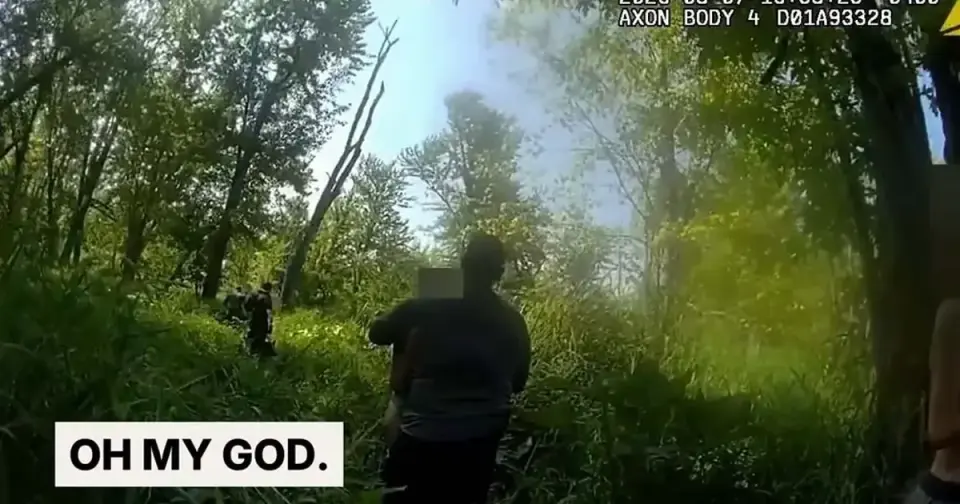
Michigan Department of Natural Resources released bodycam footage showing the rescue of two women and a nine-year-old boy who survived 72 hours stranded in the woods after their tubing trip on the Muskegon River went wrong. The family, who had been missing since August 4, was found on August 7, approximately seven miles from their entry point. Rescuers located the trio after tracking footprints and a discarded tube. The victims, who had survived on bark, flowers, and river water, were treated for dehydration, infections, and severe scrapes before returning home.
Key points
- The Michigan Department of Natural Resources released bodycam footage of the rescue operation, showing the moment search teams located the missing family members.
- The two adult women and nine-year-old boy, identified as cousins and one of their sons, went missing on August 4 after their tubes popped upon hitting logs.
- The family was found on August 7, three days later, about 0.75 miles from the riverbank and seven miles from where they entered the water.
- Rescuers tracked the group using clues such as a discarded tube, broken twigs, and bent grass, eventually hearing the boy scream.
- The victims were found wearing only swimwear, covered in cuts and bug bites, with a broken phone and a nearly empty water bottle.
- The boy, Kayden, stated they had eaten bark and flowers, while the women drank river water to survive.
Background
This incident occurred in the small community of Twin Lake, Michigan, along the Muskegon River. The family was reported missing after one woman missed a dentist appointment and they did not return home. Search parties, including boaters and drones, scoured the area for three days. This event follows earlier coverage in August 2026 regarding the initial discovery of the survivors. The Michigan State Police and DNR coordinated the search and rescue efforts.
How outlets are covering it
FOX 2 Detroit emphasized the visual evidence from the bodycam footage, highlighting the physical condition of the survivors and the specific survival tactics, such as eating bark and flowers. The Associated Press focused on the video release and the general narrative of the rescue, though its provided text was largely technical code. WWMT highlighted the investigative clues, specifically the innertube that caught the officers' attention, which led to the tracking of footprints and the eventual discovery. All sources agree on the timeline and the outcome, but differ in emphasis: FOX 2 on the human element and survival, WWMT on the forensic clues, and AP on the media release.
Why it matters
This case illustrates the critical importance of search and rescue coordination and the resilience of individuals in survival situations. It also highlights the risks associated with recreational activities like river tubing, particularly the potential for tubes to pop and strand participants in remote areas. The release of bodycam footage serves as a public safety resource, demonstrating the methods used to locate missing persons in dense brush and the physical toll of prolonged exposure.
What to watch
No further developments are expected as the family has returned home and been treated. The Michigan Department of Natural Resources may continue to use the footage for public safety education regarding outdoor activities and emergency preparedness. There are no ongoing legal or policy implications mentioned in the sources.
- Missing Michigan tubers found and rescued (Full bodycam video) FOX 2 Detroit
- Video captures rescue of river tubing group stranded for 3 days, living off bark and flowers AP News
- The clues that led Michigan DNR officers to finding a missing family on the Muskegon River WWMT
- Family speaks after missing tubers found near Muskegon River WOODTV.com
Want the full story? Read the original reporting
Read on FOX 2 Detroit