
False Alarm: UW-Whitewater cancels 'active threat' alert on first day of classes
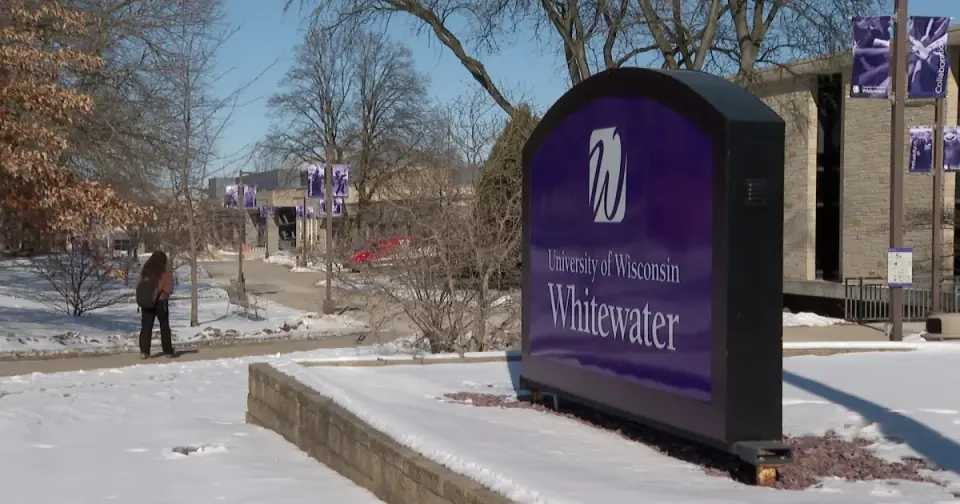
On September 2, 2026, the University of Wisconsin-Whitewater issued an 'active threat' alert at 11:04 a.m., prompting a 'Run, Hide, Fight' response. By 11:37 a.m., officials confirmed no weapon was present and canceled the alert. The incident occurred on the first day of the fall semester, causing temporary panic but no injuries.
Key points
- An emergency alert was sent at 11:04 a.m. on Sept. 2, 2026, warning of an active threat to life safety.
- The alert instructed the campus community to 'Run, Hide, Fight' and later to shelter in place.
- Police confirmed at 11:37 a.m. that there was no threat and the university returned to normal operations.
- The incident occurred on the first day of the fall semester at the Whitewater campus.
- The Rock County campus was not affected by the alert or the subsequent investigation.
Background
This incident occurred on the first day of the fall semester at UW-Whitewater. Previous archive entries indicate that campus safety alerts are a recurring concern in the region, with recent incidents in other Wisconsin communities highlighting the impact of emergency responses on public safety and community trust. The university's quick resolution and communication efforts were crucial in managing the situation.
How outlets are covering it
TMJ4 and Patch reported the initial alert and its cancellation, focusing on the timeline of events. WSAU provided additional details on the cause, noting that a person was reported to be yelling in Andersen Hall, leading to the alert. WMTV emphasized the emotional impact on students, particularly freshmen, and the university's response in providing counseling resources. All sources agreed that the alert was a false alarm, but differed in the level of detail provided about the cause and the emotional impact on the campus community.
Why it matters
The incident highlights the importance of emergency alert systems and the potential for false alarms to cause significant panic and disruption. It also underscores the need for clear communication and support services for students and staff during such events. The quick resolution by police and university officials helped mitigate the impact, but the emotional toll on the campus community remains a concern.
What to watch
The university is expected to provide more information about the cause of the alert and the steps taken to prevent similar incidents in the future. Counseling services and support resources will be available for those affected by the incident. The university will also review its emergency alert systems to ensure they are effective and minimize the risk of false alarms.
- Active threat reported at University of Wisconsin-Whitewater; shelter-in-place issued TMJ4 News
- Update: University of Wisconsin-Whitewater ‘Active Threat to Life’ Alert Declared To Be False Alarm WSAU
- UW-Whitewater says no threat to life after emergency alert weau.com
- 'Run, Hide, Fight' Alert Canceled At UW-Whitewater Patch
- UW-Whitewater finds no weapon after campus threat alert, campus reopens WMSN
Want the full story? Read the original reporting
Read on TMJ4 News