
Nobel Prize for Optogenetics Ignites Race to Commercialize Vision and Brain Therapies
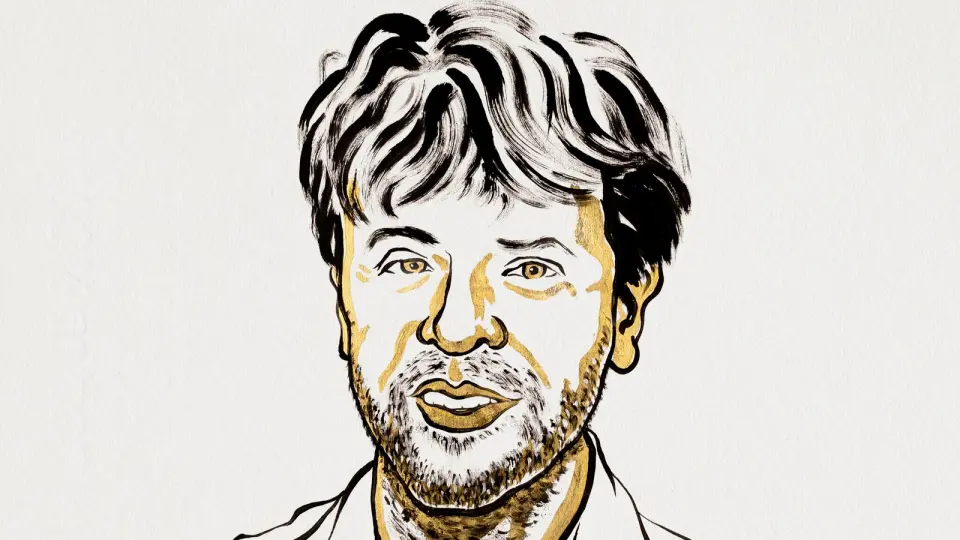
The 2026 Nobel Prize in Physiology or Medicine was awarded to Karl Deisseroth, Peter Hegemann, and Georg Nagel for developing optogenetics, a technique that uses light to control specific nerve cells. While the prize recognizes the foundational discovery of using light-sensitive proteins from algae to map brain circuits, the immediate commercial impact is concentrated in ophthalmology. Biotech firms are racing to bring optogenetic gene therapies for retinal blindness to market, with Nanoscope Therapeutics and GenSight Biologics advancing clinical trials. Deisseroth’s company, MapLight, is also leveraging the technology for psychiatric drug discovery, though its initial candidates have faced mixed results.
Key points
- Karl Deisseroth, Peter Hegemann, and Georg Nagel shared the 2026 Nobel Prize in Physiology or Medicine for their work on optogenetics, which allows scientists to activate or inhibit neurons using light.
- The technique relies on channelrhodopsin, a light-sensitive protein originally found in algae, which was adapted to mammalian cells to control neural activity with high precision.
- Nanoscope Therapeutics is awaiting FDA and Japanese regulatory decisions on Mogenry, an optogenetic therapy for retinitis pigmentosa that does not require external goggles.
- GenSight Biologics reported phase 1/2 data showing that six of 10 patients with retinitis pigmentosa achieved clinically meaningful improvements in light sensitivity, though their approach requires custom goggles.
- Deisseroth’s company, MapLight Therapeutics, is using optogenetics to identify causal neural circuits for schizophrenia and autism, though its phase 2 candidates recently failed to meet primary endpoints.
- The prize highlights a shift from basic neuroscience research to clinical applications, particularly in restoring vision for patients with advanced retinal degeneration.
Background
Our archive from October 6-8, 2026, confirms the award was announced on October 5, 2026, with the three laureates splitting 12 million Swedish crowns. Earlier coverage noted Deisseroth’s immediate return to research and the partial vision restoration seen in recent trials. The current news adds detail on the competitive landscape between biotechs and the specific regulatory hurdles for combining gene therapy with medical devices.
How outlets are covering it
Fierce Biotech emphasizes the commercial race in ophthalmology, contrasting Nanoscope’s goggle-free approach with GenSight’s device-dependent method, and noting MapLight’s struggles in psychiatry. CNN and The New York Times focus on the scientific breakthrough and the Nobel committee’s recognition of the technique’s impact on understanding brain circuits. Stanford Medicine highlights Deisseroth’s personal journey and the collaborative nature of the discovery, while Fierce Biotech notes that experts like José-Alain Sahel view the field’s progress as beneficial regardless of which commercial approach prevails.
Why it matters
The Nobel recognition validates optogenetics as a viable clinical platform, potentially accelerating investment and regulatory pathways for gene therapies that treat vision loss and neuropsychiatric disorders. It shifts the focus from basic research to tangible treatments for conditions like retinitis pigmentosa, schizophrenia, and autism, where precision targeting of neural circuits could lead to more effective therapies than current broad-spectrum drugs.
What to watch
Nanoscope Therapeutics expects an FDA decision on Mogenry in the first half of 2027. GenSight Biologics aims to begin phase 3 trials within one to two years. MapLight Therapeutics is continuing phase 3 trials for its schizophrenia and autism candidates despite recent phase 2 setbacks. Ray Therapeutics is enrolling patients in phase 2/3 trials for retinitis pigmentosa and Stargardt disease.
- ‘We’re making a lot of progress’: How Nobel-winning optogenetics is being harnessed by biotechs Fierce Biotech
- What to Know About the 2026 Nobel Prizes The New York Times
- Nobel Prize in medicine awarded to trio for technique that helps decode mysteries of the brain CNN
- Stanford University professor Karl Deisseroth wins 2026 Nobel Prize in physiology or medicine Stanford Medicine
- Optogenetics wins the Nobel – one neuroscience breakthrough in a line of technological innovations helping scientists map and control the brain The Conversation
Want the full story? Read the original reporting
Read on Fierce Biotech