Alzheimer’s is viewed as a complex system driven by amyloid-beta and tau, aging, and systemic health; single-target drugs have limited impact, so researchers are pushing integrated, multi-pronged therapies—combining approaches like gene editing, senolytics, metabolic interventions, and gut-brain axis strategies—guided by early biomarkers and advanced models to slow, halt, or prevent disease progression.
A Nature News & Views piece describes Koeber et al.'s strategy to selectively kill glioblastoma cells by using a virus to deliver an engineered DNA sequence that encodes a protein needed for a drug to kill the tumor, plus a cytokine to rally the immune system; in mice, this viral cargo eliminated brain tumours, offering a potential targeted cancer therapy that aims to spare healthy tissue.
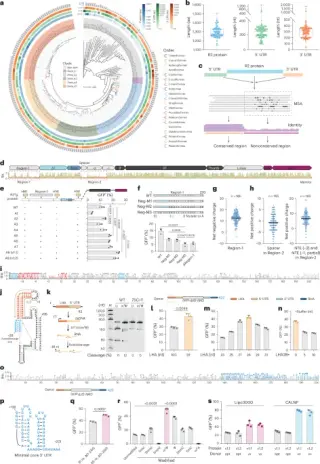
A team created synthetic super-enhancers by assembling natural enhancer fragments bound by SOX2 and SOX9 in glioblastoma stem cells to achieve high, selective transgene expression. They packaged these SSEs into AAV vectors to drive a dual payload (HSV-TK/GCV cytotoxic system and IL-12) in a mouse glioblastoma model, achieving tumor clearance and immunological memory; SSE activity was validated in primary human GSCs and brain tissue slices, suggesting SSEs could enable cell-state-specific, potent gene therapy with broad applicability.
David Sinclair’s Life Biosciences raised $80 million to move a one-time anti-aging gene therapy into clinical testing, pursuing partial epigenetic reprogramming with Yamanaka factors (Oct4, Sox2, Klf4) delivered by AAV to rewind cellular aging.
Rocket Pharmaceuticals announced that the FDA granted accelerated approval for KRESLADI (marnetegragene autotemcel), an autologous hematopoietic stem cell–based gene therapy for pediatric patients with severe LAD-I due to ITGB2 variants who lack an HLA-matched donor. Approval is based on increased neutrophil CD18/CD11a expression and will rely on longer-term follow-up data and a post‑marketing registry to confirm benefit. The FDA also awarded Rocket a Rare Pediatric Disease Priority Review Voucher, which the company plans to monetize. LAD-I is ultra-rare and causes recurrent life-threatening infections; safety concerns include infections during conditioning, veno-occlusive disease, engraftment failure, potential insertional oncogenesis, hypersensitivity, anti-retroviral interactions, and possible HIV test false positives, necessitating long-term monitoring. A conference call is planned for March 27, 2026.
The FDA approved Rocket Pharma’s one-time gene therapy Kresladi to treat severe LAD-1 in children without a matched sibling donor, following a 2024 manufacturing-based rejection. LAD-1 is ultra-rare (about 1 in a million), with roughly 25 new cases per year, and the therapy is expected to carry a multimillion-dollar price tag but is unlikely to become a major moneymaker.
The FDA approved Kresladi (marnetegragene autotemcel), the first gene therapy for severe Leukocyte Adhesion Deficiency Type I in pediatric patients without an HLA-matched donor, using autologous gene-modified stem cells to restore ITGB2 function and CD18/CD11a on white blood cells. The treatment is given as a single IV infusion after conditioning, based on biomarker improvements in an open-label trial, with post-marketing confirmatory studies required and safety monitoring for cytopenias and infections.
A Nature study shows that variants of the APOE gene largely determine Alzheimer's risk, with APOE3/4 raising risk and APOE2 offering strong protection. Companies are pursuing APOE-targeted gene therapies that could help millions, but brain delivery, regulatory hurdles, and proving cognitive benefit remain major challenges; no proven therapy exists yet.
A COLBOS gene variant linked with PSEN1-related early-onset Alzheimer’s appears to boost reelin signaling by strengthening its binding to heparan sulfate, keeping reelin at neuron surfaces where it helps slow tau phosphorylation and amyloid buildup. This protective effect can delay disease onset by about 20 years in some patients, though it does not prevent the disease. The finding suggests that therapies aiming to enhance reelin signaling could delay Alzheimer's in a broad patient population, with gene-therapy approaches being explored.
A STAT opinion piece assesses Vinay Prasad's tumultuous FDA tenure, noting his push for clearer, stronger data in rare-disease approvals but arguing his impulsive, confrontational approach caused chaos and eroded the agency's credibility; his upcoming departure leaves a controversial legacy about balancing rigorous evidence with regulatory pragmatism.
An FDA-organized media call featured a senior FDA official publicly attacking UniQure’s Huntington’s disease gene therapy, calling its data distorted and the therapy failed, a move seen as injecting politics into rare-disease regulation and potentially complicating oversight ahead of elections, with echoes of recent vaccine-review controversies and congressional pressure on the agency.
Researchers engineered astrocytes to express a CAR targeting amyloid beta, turning them into brain “super cleaners.” In mice, a single gene-therapy injection either prevented plaque formation when given early or reduced existing amyloid plaques by ~50%, signaling a potential new immunotherapy approach for Alzheimer's—though safety and human trials remain to be established.
Moderna will pay Roivant up to $2.25 billion to settle patent infringement claims over its Covid-19 vaccine, while The Readout highlights Prime Medicine’s gene-therapy work and FDA warnings to telehealth firms over compounded GLP-1s.
Advocates for rare diseases express concern after the FDA rejected Regenxbio’s MPS type 2 gene therapy and signals a more cautious, data-heavy approval path that could delay access to promising treatments highlighted by newborn screening.
Sarepta Therapeutics said CEO Doug Ingram will retire by year-end after a decade in which he steered the company to three Duchenne drug approvals and a peak value around $15 billion, followed by a downturn as safety concerns around its gene therapy and the rise of superior rivals weighed on the stock; Ingram cited family health reasons—his wife and son were diagnosed with myotonic dystrophy—and Sarepta is searching for a successor.