
MIT Seals Chemistry Lab After Student Claims Unauthorized Synthesis of Dimethyl Mercury
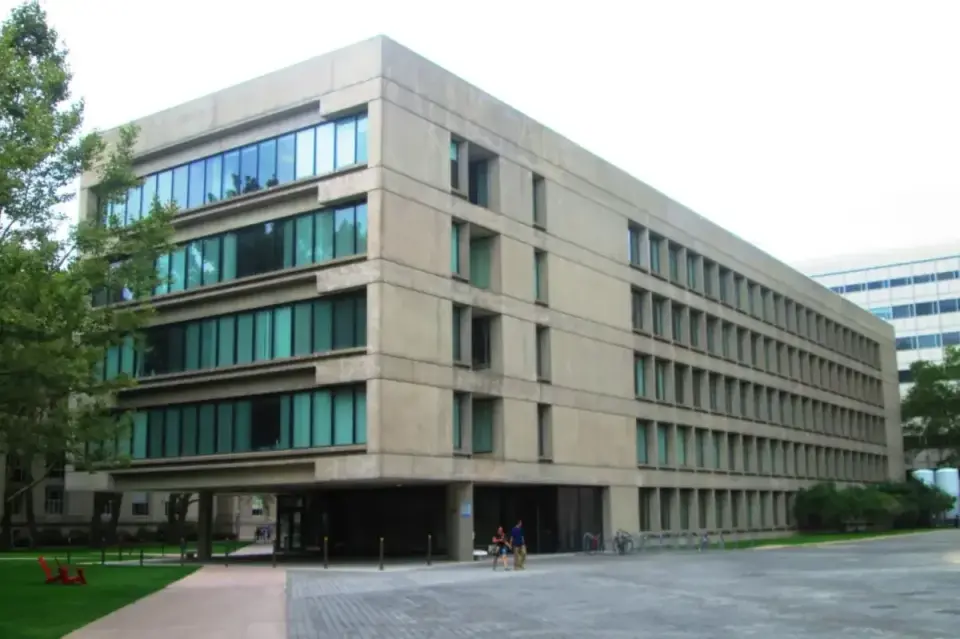
An MIT graduate student triggered a major hazmat response after claiming to have synthesized dimethyl mercury, a highly toxic compound, in an unauthorized manner. The incident led to the closure of Building 18 and a decontamination effort, though initial blood tests showed no mercury exposure in the student.
Key points
- An unidentified MIT graduate student reported to an emergency room on August 26, claiming to have synthesized dimethyl mercury in Building 18.
- MIT closed Building 18 (the Dreyfus Chemistry Building) on August 26 and called in city emergency responders for cleanup and testing.
- The student was not authorized to work with the compound, and it was not part of any official MIT research program.
- Initial blood tests for the student, who remains under medical supervision, showed no signs of mercury exposure.
- MIT officials stated that emerging information calls into question whether the compound was actually synthesized.
- Common areas in the student's residence hall were professionally cleaned, and the student's unit was sealed off as a precaution.
Background
This incident follows a history of severe health risks associated with dimethyl mercury, most notably the 1997 death of Dartmouth College professor Karen Wetterhahn after minimal exposure. The compound is known for its extreme toxicity and is strictly regulated in academic and industrial settings. MIT's response highlights the institution's protocols for handling potential chemical hazards, even when the actual synthesis is in question.
How outlets are covering it
The New York Post and NBC Boston reported the initial claim and the immediate hazmat response, emphasizing the severity of the chemical and the closure of the lab. USA Today and Cambridge Day provided additional details, noting that MIT officials believe the risk of secondary exposure is very low and that the compound was not part of any authorized research. Cambridge Day also highlighted the involvement of the Wendlandt lab and the efforts to decontaminate the building through a specialized environmental services company. All sources agree that the student's initial blood test showed no mercury exposure, but they differ in the level of detail regarding the ongoing investigation and the specific areas of the building affected.
Why it matters
The incident underscores the critical importance of laboratory safety protocols and the potential consequences of unauthorized chemical synthesis in academic settings. It also highlights the rapid response mechanisms in place at major research institutions to mitigate risks and protect public health, even in cases where the initial threat may be unconfirmed.
What to watch
MIT is expected to continue its investigation and decontamination efforts, with Building 18 remaining closed until further notice. The university will likely review its safety protocols and potentially impose disciplinary actions on the student, depending on the outcome of the investigation. Public health officials will monitor for any secondary exposures, though current assessments suggest the risk is low.
- MIT student claims he synthesized one of the deadliest chemicals known to man — sparking massive hazmat response New York Post
- MIT student under medical care, chemistry building closed, after possible exposure to highly toxic mercury compound The Boston Globe
- MIT student claims to synthesize dangerous chemical, prompting hazmat response NBC Boston
- Decontamination ongoing after MIT student reports creating dimethyl mercury USA Today
- MIT closes building after toxic incident Cambridge Day
Want the full story? Read the original reporting
Read on New York Post