
MIT closes chemistry lab after student claims unauthorized synthesis of dimethyl mercury
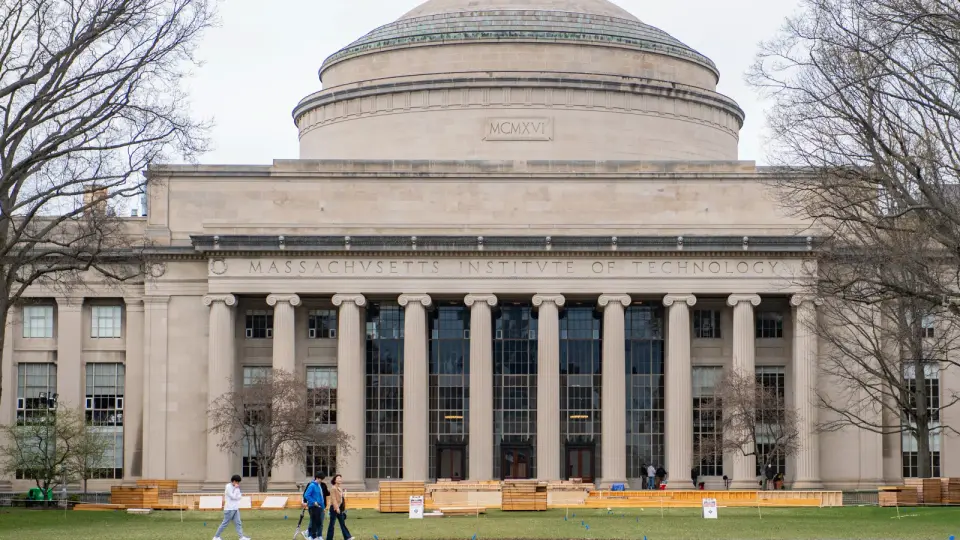
MIT closed Building 18 after a graduate student reported synthesizing dimethyl mercury, a highly toxic compound. Initial blood tests showed no exposure, and emerging evidence questions whether the chemical was actually created. Decontamination continues as a precaution, though officials assess the risk to others as very low.
Key points
- A graduate student self-reported to an emergency room on August 26, claiming to have synthesized dimethyl mercury in Building 18, the Dreyfus Chemistry Building, on the MIT campus in Cambridge.
- The compound is unauthorized for MIT research programs; less than 0.1 milliliters is considered a severely toxic dose by OSHA standards.
- Initial blood tests for the student, who remains under medical supervision, showed no signs of mercury exposure.
- MIT officials stated that emerging information calls into question whether the compound was actually synthesized, though the building remains closed for specialized decontamination.
- The incident occurred in the Wendlandt lab, led by Associate Professor Alison Wendlandt, whose research focuses on chemical catalysts.
- Cambridge Fire Department confirmed a small spill inside a hood, and surrounding areas were surveyed and found clear of exposure risks.
Background
This incident echoes the 1997 death of Dartmouth professor Karen Wetterhahn, who died from acute mercury poisoning after spilling a few drops of dimethyl mercury on her glove. Dimethyl mercury is known for its extreme toxicity and ability to be absorbed through the skin, making unauthorized handling a severe safety concern. MIT previously covered this specific incident on August 30, 2026, confirming the hazmat response and the student's lack of authorization to handle the chemical.
How outlets are covering it
USA TODAY and WHDH emphasized the uncertainty surrounding the synthesis, noting that emerging information questions whether the compound was actually created, while highlighting the negative blood test results. NBC Boston focused on the immediate hazmat response and the closure of Building 18, detailing the involvement of city emergency responders. Cambridge Day provided specific details about the lab involved (Wendlandt lab) and the decontamination efforts by Triumvirate Environmental, noting that the risk of secondary exposure was deemed very low. All sources agreed on the closure of the building and the lack of confirmed exposure, but differed in the level of detail regarding the specific lab and the ongoing investigation.
Why it matters
The incident highlights the critical importance of laboratory safety protocols and the severe risks associated with unauthorized handling of highly toxic chemicals like dimethyl mercury. It underscores the need for rigorous decontamination and monitoring in academic research environments to prevent potential health hazards and environmental contamination.
What to watch
MIT will continue specialized decontamination efforts in Building 18 and monitor the student's medical status. The investigation into whether dimethyl mercury was actually synthesized will proceed, with further updates expected as the assessment of the laboratory and surrounding areas concludes.
- Decontamination ongoing after MIT student reports creating dimethyl mercury USA Today
- MIT student under medical care, chemistry building closed, after possible exposure to highly toxic mercury compound The Boston Globe
- MIT student claims to synthesize dangerous chemical, prompting hazmat response NBC Boston
- MIT closes building after toxic incident Cambridge Day
- MIT grad student hospitalized after possible exposure to mercury compound - Boston News, Weather, Sports WHDH
Want the full story? Read the original reporting
Read on USA Today