
California’s Sweeping Teen Social Media Ban Faces Veto Threat from Privacy Advocates
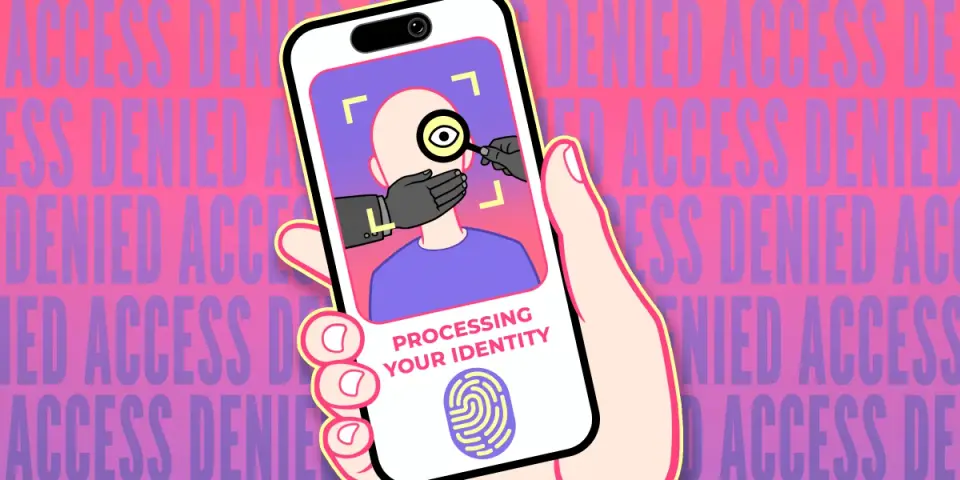
California lawmakers passed AB 1709, banning 'addictive' social media features for users under 16, but the Electronic Frontier Foundation urges Governor Gavin Newsom to veto the measure, citing severe privacy and free speech risks.
Key points
- AB 1709 prohibits platforms from offering algorithmic feeds, autoplay, and infinite scroll to minors under 16, with no parental opt-in exception.
- The bill follows an $18 billion Meta settlement regarding youth harm and passed with bipartisan support in the California legislature.
- The Electronic Frontier Foundation argues the law effectively bans all major social media for teens and forces invasive age-verification methods.
- Governor Newsom has until late September to decide whether to sign or veto the bill, which is expected to face First Amendment legal challenges.
- The measure is part of a broader wave of 26 AI and social media bills passed by California Democrats, including restrictions on AI in education and healthcare.
Background
This legislation arrives as Newsom transitions from a tech industry ally to a more populist regulator, following his recent executive orders on AI impacts and the listing of his Fair Oaks estate. It also follows a similar veto by North Carolina’s governor on a voting overhaul, highlighting the contentious nature of state-level regulatory expansions.
How outlets are covering it
Supporters, including Assemblymember Josh Lowenthal and Senator Steve Padilla, frame AB 1709 as a necessary response to federal inaction and corporate negligence, arguing it protects children from harmful design choices. The Electronic Frontier Foundation, however, labels the bill a 'privacy and free speech nightmare,' arguing that banning core features like recommendation algorithms locks teens out of digital spaces entirely and forces platforms to collect sensitive biometric data for age verification. While NBC News and The Washington Post note the bill’s broad scope and likely legal challenges, Politico highlights Newsom’s prior public support for restricting teen access, suggesting he may ultimately sign the measure despite EFF’s objections.
Why it matters
AB 1709 could set a national precedent for regulating social media design, potentially forcing tech companies to adopt invasive age-verification systems that compromise user privacy. Its outcome will test the limits of state power to regulate digital platforms and define the balance between child safety and First Amendment protections in the digital age.
What to watch
Governor Newsom must decide whether to sign or veto AB 1709 by the end of September. If signed, the law is expected to be challenged in court on First Amendment grounds, and platforms will likely implement new age-verification protocols to comply with the restrictions.
- EFF to Governor Newsom: Veto California’s AB 1709 Electronic Frontier Foundation
- California Democrats pass more than 20 bills to curtail AI and social media NBC News
- California passes restrictions on teen use of social media The Washington Post
- California ban on ‘addictive’ social media for teens heads to Newsom Politico
- Reining In Big Tech: How California lawmakers plan to regulate AI and social media Los Angeles Times
Want the full story? Read the original reporting
Read on Electronic Frontier Foundation