
Surveillance backlash peaks as Senate probes Flock’s 20 billion monthly scans
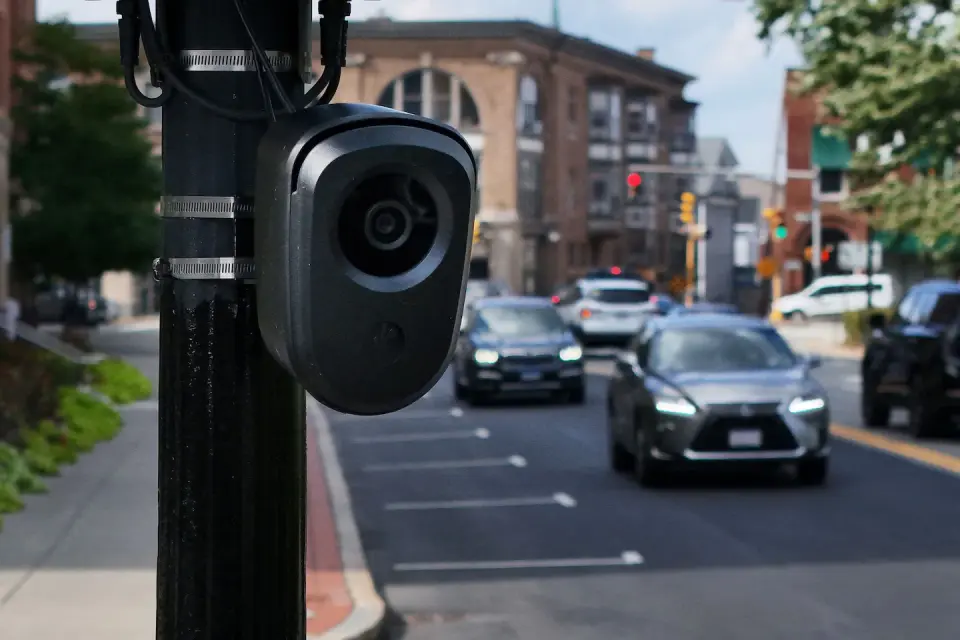
Public opposition to AI-powered license plate readers has overtaken support, according to a new YouGov survey. Simultaneously, Senator Josh Hawley launched a formal investigation into Flock Safety, demanding answers on data safeguards after the company’s network processed over 20 billion vehicle scans monthly across 49 states.
Key points
- A YouGov survey indicates a majority of Americans now oppose law enforcement’s use of AI-powered cameras due to privacy fears.
- Senator Josh Hawley subpoenaed Flock Safety CEO Garrett Langley, demanding documents by September 8 regarding data collection and retention.
- Flock Safety operates over 120,000 cameras, creating a national database that critics argue lacks constitutional safeguards.
- Recent incidents, including a Florida woman’s wrongful arrest and a Milwaukee officer’s personal stalking, have intensified public distrust.
- A public database, 'Have I Been Flocked?', allows citizens to check if their plates have been searched, though it relies on incomplete audit logs.
Background
This shift in public sentiment follows months of localized controversies. Earlier in 2026, multiple jurisdictions including Lynn, Massachusetts, and Mooresville, North Carolina, suspended or terminated Flock contracts after audits revealed officers using the system for personal surveillance or stalking. These incidents prompted broader state-level reviews and a growing movement to demand transparency in automated surveillance infrastructure.
How outlets are covering it
The Washington Post highlights the statistical shift in public opinion, noting that privacy concerns now outweigh safety benefits for most citizens. In contrast, Flock Safety maintains that its technology is essential for solving crimes and locating missing persons, citing over 1 million investigations supported last year. Senator Hawley’s office emphasizes the lack of federal oversight, arguing that Flock’s internal policies are the only safeguards for millions of Americans. Local outlets like WKMG focus on the practical implications for citizens, such as the availability of public databases to check for surveillance, while acknowledging that these tools are not fully comprehensive.
Why it matters
The convergence of declining public support and federal legislative action signals a potential regulatory turning point for automated surveillance. If Flock’s data practices are deemed insufficient, it could trigger a nationwide re-evaluation of AI-powered policing tools, impacting privacy rights and law enforcement capabilities across the country.
What to watch
Flock Safety must respond to Senator Hawley’s document requests by September 8, 2026. The outcome of this investigation may lead to new federal regulations or state-level bans on automated license plate readers. Additionally, local governments are expected to continue reviewing their contracts, with some potentially terminating agreements entirely in response to the growing public backlash.
- Americans have turned against police cameras that track license plates, new survey shows The Washington Post
- More Flock cameras cut down in Houston amid new investigation into possible internal misuse KHOU
- Have you been Flocked? This website may show whether police have searched your plates WKMG
- Privacy versus surveillance: Flock cameras in Raleigh technicianonline.com
- Chairman Hawley Investigates AI-Powered Flock Cameras Amidst Privacy Concerns U.S. Senate (.gov)
Want the full story? Read the original reporting
Read on The Washington Post