
Norway Proposes Temporary Ban on AI Smart Glasses in Public Spaces
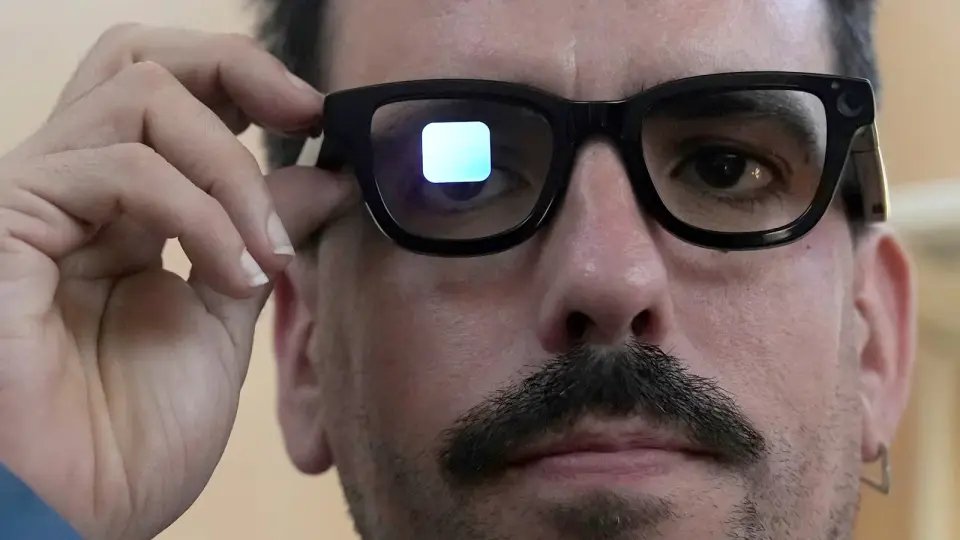
Norway’s government is proposing a temporary ban on AI-enabled smart glasses in specific public areas to address privacy risks. The measure targets locations where privacy is critical, such as schools, healthcare facilities, and changing rooms, while allowing private use. This move follows global concerns about covert surveillance and precedes potential permanent regulation after a period of public debate.
Key points
- Norway’s minister of digitalization, Torgeir Micaelsen, is proposing a temporary ban on AI glasses in certain public spaces to parliament.
- The ban targets areas where privacy is paramount, including healthcare facilities, fitness centers, schools, kindergartens, playgrounds, and youth clubs.
- The proposal also considers extending restrictions to public concerts, sporting events, parks, beaches, museums, and shopping centers.
- The government clarified that this is not a total ban; smart glasses remain permitted for private use and in some public contexts.
- Exceptions may be made for vulnerable groups to allow socially beneficial uses of the technology.
- The temporary ban aims to allow authorities time to define affected devices and hold informed debates leading to potential permanent regulation.
Background
This proposal follows a series of privacy-related developments involving smart glasses in 2026. In September, Meta launched camera-less variants and privacy features to address backlash, while US police agencies warned about covert recording risks. Earlier in the year, a New York nightclub banned smart glasses to protect dance floor privacy. Norway’s move represents a broader governmental response to these privacy concerns, distinct from California’s governor vetoing legislation that would have penalized unauthorized recording in private spaces.
Why it matters
Norway’s proposal highlights the growing tension between technological innovation and privacy rights in public spaces. By targeting specific high-risk locations, the government seeks to balance innovation with protection, setting a precedent for how other nations might regulate emerging wearable technologies. The temporary nature of the ban allows for adaptive regulation based on evolving technology and public consensus.
What to watch
Norway’s parliament, the Storting, is expected to receive the proposal soon. Authorities will use the temporary ban period to determine which specific devices are affected and engage in public debate. This process may lead to permanent regulations or adjusted policies, potentially including exceptions for vulnerable groups. The outcome will influence how other countries approach smart glass regulation.
Want the full story? Read the original reporting
Read on abcnews.com