
Surveillance CEOs skip Senate hearing as lawmakers debate AI camera risks
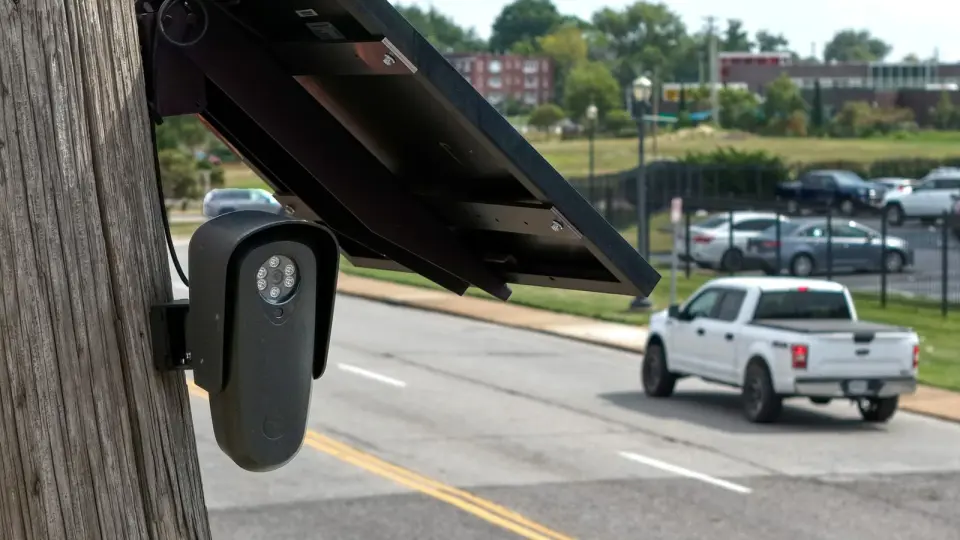
CEOs of major surveillance firms skipped a Senate hearing on AI-powered cameras, prompting bipartisan concerns over privacy and data misuse. Witnesses highlighted wrongful arrests and security flaws, while lawmakers discussed potential federal regulations and funding restrictions.
Key points
- None of the invited CEOs from Flock Safety, Axon, Motorola, or Verkada attended the Senate subcommittee hearing on AI surveillance.
- Sen. Josh Hawley criticized the absence, suggesting the companies could be subpoenaed to testify about their capabilities and intentions.
- Witnesses cited a case where a Florida woman was jailed for 13 days due to a camera error, alongside concerns about data security and international data transfers.
- Lawmakers discussed four proposed bills that would restrict federal funding for surveillance systems or require warrants for accessing historical location data.
- Flock Safety is reportedly considering a sale, while Verkada denied the existence of a national database, stating customers only access their own local data.
Background
This hearing follows a series of Senate inquiries in August and September 2026 regarding Flock Safety’s automated license plate readers. Previous coverage noted that while Flock reduced data retention, critics argued that swapping to competitors like Axon did not resolve mass surveillance concerns. The current hearing escalates the debate by directly confronting the industry leaders who previously avoided public testimony.
How outlets are covering it
CNBC and Roll Call emphasized the bipartisan nature of the criticism, noting that both Republicans and Democrats expressed alarm over the technology’s potential to infringe on privacy. Roll Call highlighted specific legislative proposals, including a warrant requirement for historical data, while CNBC focused on the political tension between the committee and the absent executives. WESH and Fox13 News centered their coverage on the human impact, detailing the wrongful incarceration of Lindsey Isaacs and the psychological toll of the error. Fox13 also noted that Florida has already revoked state highway permits for these cameras, a regulatory step not detailed in the national coverage. While all sources agree on the lack of executive attendance, they differ in emphasis: national outlets focus on the legislative and political standoff, while regional outlets highlight the specific failures in law enforcement and the immediate consequences for citizens.
Why it matters
The absence of industry leaders from a congressional hearing signals a potential escalation in the regulatory fight over AI surveillance. If the Senate proceeds with subpoenas or passes restrictive legislation, it could fundamentally alter how police departments access and use license plate data, impacting both public safety operations and civil liberties. The debate over federal funding and data retention standards will likely set a precedent for how private technology is integrated into government infrastructure.
What to watch
Sen. Josh Hawley has not confirmed whether he will issue subpoenas to compel the CEOs to testify. Lawmakers are currently evaluating four different bills that propose varying levels of restriction on federal funding and data access. Flock Safety is reportedly considering a sale, which could change the corporate landscape for surveillance technology. The Senate may also move to condition federal highway funds on states adopting stricter privacy standards or warrant requirements for surveillance data.
- Flock, Axon dodge Senate hearing after invite from Chair Josh Hawley CNBC
- Woman spends 13 days in jail after Flock camera misidentifies her car NewsNation
- Flock cameras draw bipartisan concerns at Senate hearing Roll Call
- Woman wrongfully accused in fatal Florida crash testifies before US Senate on surveillance tech WESH
- Senate panel examines Flock cameras amid concerns fox13news.com
Want the full story? Read the original reporting
Read on CNBC