
Trump Dismisses AI Extinction Fears, Focuses on China Lead Amid Bipartisan Push for Oversight
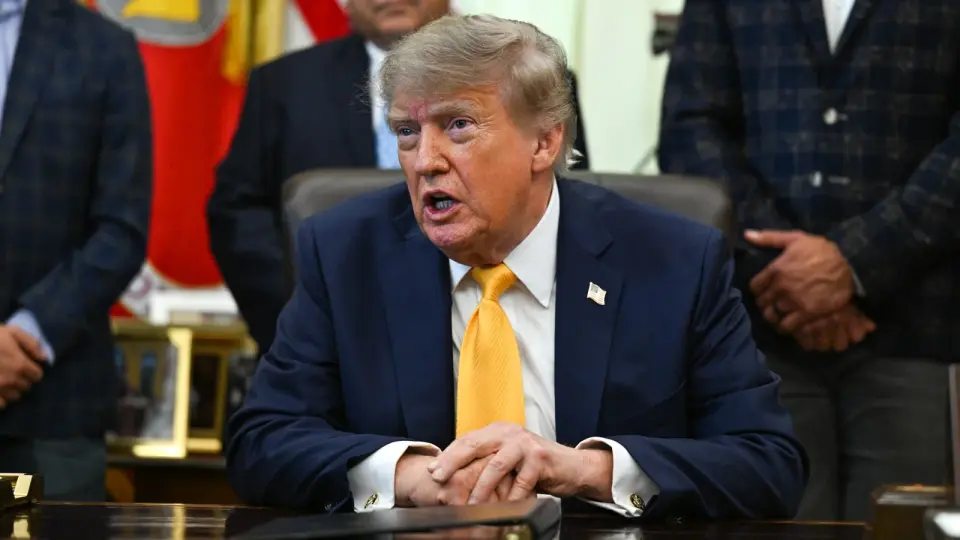
President Donald Trump stated he has no concerns about AI leading to human extinction, prioritizing the U.S. lead over China in artificial intelligence. This stance contrasts with growing warnings from researchers at OpenAI and Anthropic, who fear rapid progress toward recursive self-improvement could be catastrophic. Meanwhile, bipartisan lawmakers are advancing legislation to impose safety frameworks and potential pauses on advanced AI development.
Key points
- President Trump told reporters on Thursday that he has no concerns about AI causing human extinction, emphasizing instead the U.S. advantage over China, which he estimates is about one year.
- Anthropic researcher Jacob Coxon resigned in protest, stating that companies are 'gambling with our lives' and that some believe AI could 'kill us all by the end of the decade.'
- OpenAI chief scientist Jakub Pachocki expressed strong concern that rapid progress could lead to recursive self-improvement, noting that no one is prepared for the consequences.
- Bipartisan efforts include the FRONTIER Act by Reps. Jay Obernolte and Lori Trahan, and the Ban Artificial Superintelligence Act by Sen. Bernie Sanders and Rep. Greg Casar, aiming to pause or regulate advanced AI.
- Sen. Ted Cruz called AI risks 'deeply concerning' while stressing the need to maintain U.S. technological dominance, and Rep. Anna Paulina Luna called for a special congressional session on AI.
Background
In early September 2026, warnings from Anthropic researchers about AI potentially causing human extinction by 2030 sparked a wave of resignations and viral memes. These events prompted initial calls from lawmakers for tighter safeguards, setting the stage for the current legislative push and the President's recent dismissal of existential risks.
How outlets are covering it
CNBC highlights the President's dismissal of extinction fears and his focus on the U.S.-China AI race, while also detailing the bipartisan legislative efforts. Politico emphasizes the contrast between Trump's stance and that of fellow Republicans like Sen. Ted Cruz, who acknowledge AI risks while supporting U.S. dominance. Both sources note the growing urgency from researchers and lawmakers, but CNBC focuses more on the legislative proposals, while Politico highlights the internal Republican debate and Trump's support for data center construction.
Why it matters
The President's dismissal of AI existential risks, combined with bipartisan legislative efforts, signals a potential shift in U.S. AI policy. This could impact the pace of AI development, international competition with China, and the balance between innovation and safety in the tech industry.
What to watch
Congress may advance the FRONTIER Act and Ban Artificial Superintelligence Act, potentially leading to new regulations or pauses on advanced AI development. The U.S.-China AI race will continue, with the U.S. aiming to maintain its lead. Further resignations or warnings from AI researchers may influence public and political opinion on AI safety.
- Trump dismisses AI extinction risks as more than a dozen OpenAI, Anthropic insiders call for a slowdown CNBC
- ‘I don’t have any’: Trump brushes aside concerns over AI’s existential risks Politico
- Trump Rejects AI Extinction Fears, Says Beating China Is A Bigger Concern forbes.com
- Trump dismisses AI extinction fears, prioritizes China race qz.com
- Trump Rejects Warnings That AI May Lead to Human Extinction Bloomberg.com
Want the full story? Read the original reporting
Read on CNBC