
US Suspends Microsoft, Adobe from Green Card Pathway Over H-1B Abuse Claims
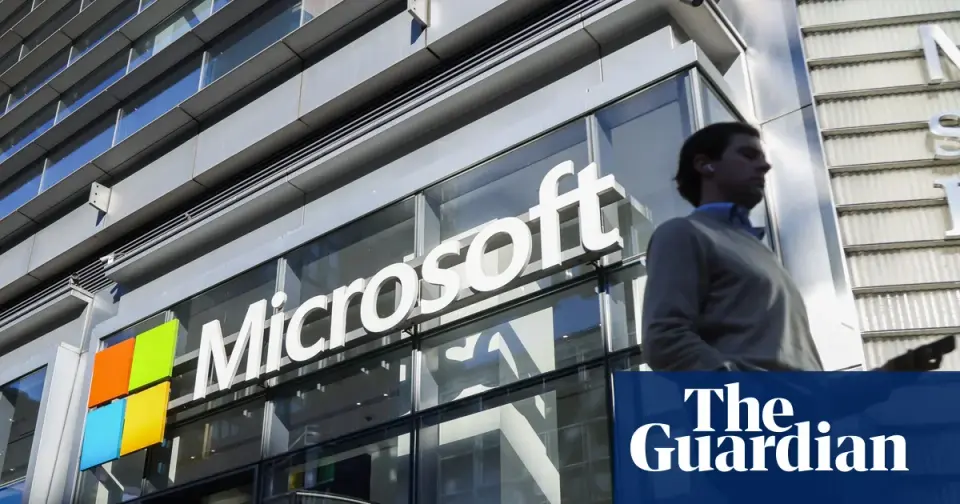
The US Labor Department has suspended Microsoft and Adobe from the Permanent Labor Certification (PERM) program, blocking them from sponsoring workers for green cards. Vice President JD Vance accused the companies of replacing laid-off American workers with foreign hires on H-1B visas. Microsoft disputed the claims, stating most visa applications were for existing employees. The move targets major tech and outsourcing firms ahead of midterm elections.
Key points
- Labor Secretary Keith Sonderling announced the suspension of Microsoft, Adobe, and six IT outsourcing firms (Cognizant, Infosys, Tata, Wipro, HCL, Capgemini) from the PERM program.
- Vice President JD Vance claimed Microsoft replaced 6,000 laid-off US workers with foreign hires, calling them 'indentured servants.'
- Microsoft stated 80% of its recent H-1B applications were for extensions or status changes for existing employees, not new hires.
- Immigration attorneys expect legal challenges, noting the Labor Department may lack authority to suspend firms indefinitely.
- The suspension occurs just before Microsoft CEO Satya Nadella receives the National Medal of Technology and Innovation from President Trump.
Background
This action follows a broader Trump administration crackdown on H-1B visas, which the administration argues are abused to undercut American wages. In August 2026, Microsoft reached a landmark union agreement with Blizzard employees that included AI guardrails and job-recall rights, highlighting ongoing labor tensions in the tech sector. The current suspension targets companies that have received over 230,000 H-1B approvals since 2009.
How outlets are covering it
The Trump administration, led by Vance and Sonderling, frames the suspension as a necessary measure to protect American jobs, alleging that tech firms use H-1B visas to replace domestic workers with cheaper foreign labor. Microsoft and Adobe reject this narrative, emphasizing that their visa applications primarily support existing employees and that they pay among the highest wages in the tech sector. Immigration attorneys, such as those at Locke Immigration Law, argue the suspensions are likely illegal and will be challenged in court, noting that H-1B holders can often maintain status through other means. Advocacy groups like the National Immigration Forum criticize the move, arguing that restricting foreign talent weakens US competitiveness in STEM and innovation.
Why it matters
The suspension creates immediate uncertainty for thousands of H-1B visa holders at major tech firms, potentially forcing some to leave the US if they cannot secure alternative visa status. It signals a more aggressive federal stance on immigration, which could influence upcoming midterm elections and reshape corporate hiring strategies in the tech sector. The legal challenges expected from the suspension may set precedents for the scope of Labor Department authority over visa programs.
What to watch
Microsoft and Adobe are expected to challenge the suspension in federal court, arguing it exceeds the Labor Department's legal authority. Immigration attorneys advise affected workers to seek legal counsel to assess their status. The administration may face further scrutiny as it continues to target H-1B programs ahead of the November 2026 midterm elections.
- Microsoft suspended from applying for green cards for H-1B workers, JD Vance says The Guardian
- The Trump administration is suspending Microsoft from a green card program, alleging fraud AP News
- The advice immigration attorneys have for Microsoft workers worried about their green cards Business Insider
- U.S. suspends Microsoft, Adobe from green card labor program in foreign worker crackdown CNBC
- Trump administration freezes green cards for Microsoft, IT firms, probes universities Reuters
Want the full story? Read the original reporting
Read on The Guardian