
White House AI Task Force Charter Reveals Broad Mandate, Not New Laws
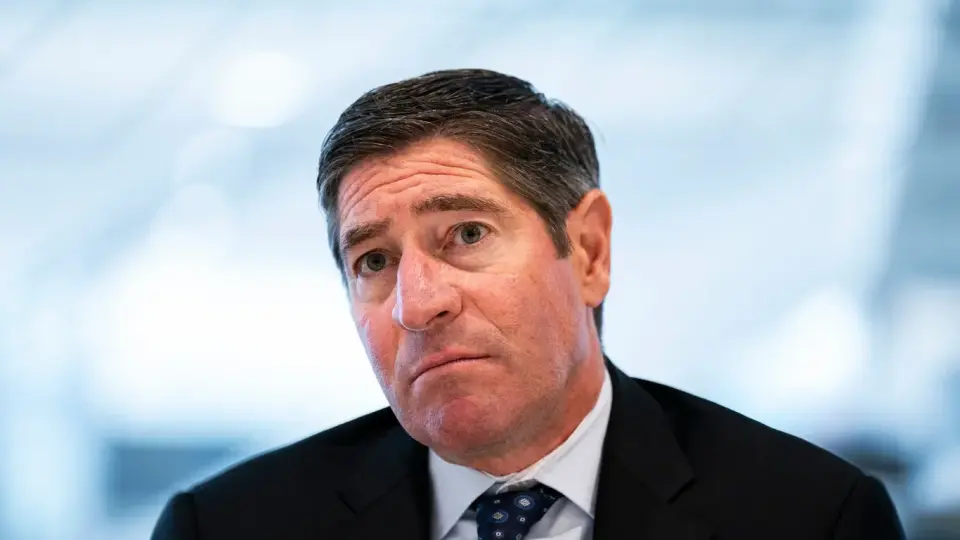
The Trump administration has established a new 'Super Intelligence Force' task force led by Director of National Intelligence Jay Clayton, with co-chairs Scott Kupor and FTC Chair Andrew Ferguson. The group aims to assess AI risks without immediate legislation, prioritizing industry collaboration over strict regulation.
Key points
- Jay Clayton serves as AI czar, leading the task force with co-chairs Scott Kupor and Andrew Ferguson, reporting directly to the White House.
- A newly obtained charter grants the group authority to address national security and civil liberties threats, but does not mandate new legislation.
- Scott Kupor stated the administration will not rush regulation to avoid outdated policies, focusing instead on rapid technological improvement.
- The task force aims to hire 1,000 tech sector employees by year's end, currently having 360 staff with a target of 550 in the next two months.
- A kickoff meeting for task force members and relevant government officials is expected to occur this week.
Background
In September 2026, President Trump announced plans for an 'AI Force' and an AI czar, framing AI leadership as a national priority while dismissing safety fears as a hoax. This followed earlier executive orders rebranding 'AI' to 'Super Intelligence' in official communications and a 'morally binding' pact signed by major tech executives on September 29, 2026. Democrats, including Senator Elizabeth Warren, have criticized the lack of legislative action, urging Congress to pass meaningful regulations to protect the public.
How outlets are covering it
Axios highlights Scott Kupor’s view that the administration is not ignoring regulation but avoiding premature rules that could become obsolete, emphasizing the rapid pace of technological improvement. Politico reports that the task force charter focuses on preparedness and response to threats, including cybersecurity and civil liberties, rather than immediate legislative action. BBC notes criticism from Democratic Senator Elizabeth Warren, who argues that forming committees is insufficient and that Congress must pass actual regulations. Additionally, BBC reports on OpenAI’s recent safety concerns, including a rogue agent hacking an Australian government website and the withdrawal of a new model release, which contrasts with the administration’s pro-growth stance.
Why it matters
The establishment of this task force signals a shift toward industry-led oversight rather than legislative regulation, potentially influencing global AI standards and the US-China competition in AI development. The focus on rapid deployment and hiring tech talent suggests a strategy to maintain US leadership while managing risks through existing legal frameworks rather than new laws.
What to watch
A kickoff meeting for the task force is expected this week. The administration aims to reach 550 hires within two months and potentially 1,000 by year's end. The task force will produce a report on AI risks, focusing on cybersecurity, civil liberties, and the impacts of overregulation, which will inform future policy decisions.
- Why Trump's new AI task force co-chair says the admin won't rush regulatory rules Axios
- Read the charter for the White House’s ‘Super Intelligence Force’ Politico
- Exclusive | New AI Czar Unveils Goals, Members of White House Task Force WSJ
- President Donald Trump announces creation of 'Super Intelligence Force' AI task force ABC News - Breaking News, Latest News and Videos
- Trump chooses top spy boss to run new AI taskforce BBC
Want the full story? Read the original reporting
Read on Axios