
Flock Safety Mandates Audit Tools and Shorter Data Retention After Police Misuse Scandals
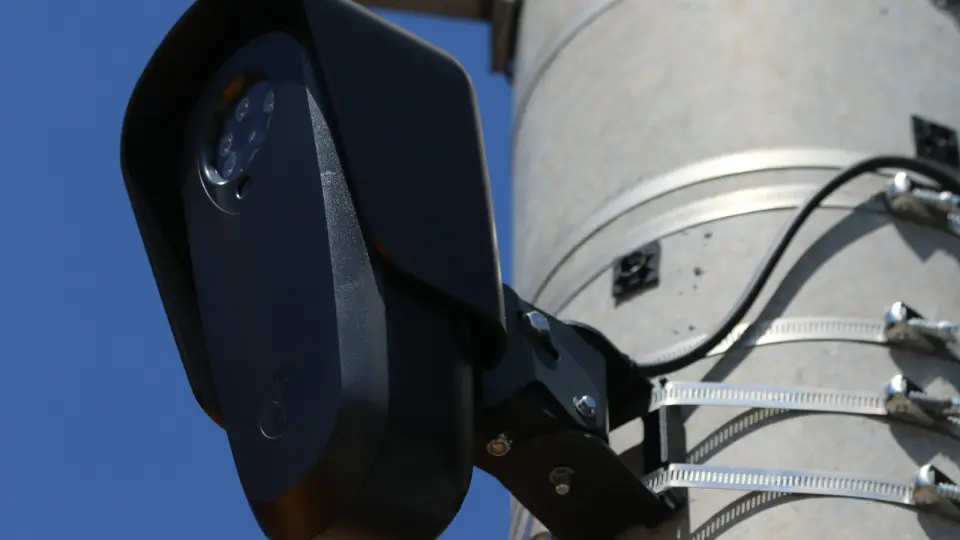
Flock Safety announced new operational safeguards on August 13, 2026, following widespread reports of police officers misusing its automated license plate reader (ALPR) network for personal stalking and harassment. The company is making its 'Audit Assistance' tool mandatory for all 6,000+ client agencies, requiring officers to input specific case codes for every search, and reducing default data retention from 30 days to seven days. These changes follow a Washington Post investigation and multiple arrests of officers in Georgia, Arizona, and North Carolina who used the system to track partners or ex-partners. While Flock CEO Garrett Langley asserts these measures will prevent abuse, the ACLU argues the reforms are insufficient and merely address public relations concerns rather than the fundamental privacy risks of mass surveillance.
Key points
- Flock Safety is making its 'Audit Assistance' feature mandatory for all law enforcement clients, up from approximately one-third of agencies using it voluntarily.
- Officers must now input a specific case code and offense type for every vehicle search; vague reasons like 'investigation' are intended to be blocked.
- Default data retention is reduced from 30 days to seven days, with an 'Evidence Mode' allowing longer retention only for active case numbers.
- The changes follow a Washington Post investigation and multiple high-profile cases, including a Georgia police chief arrested for stalking and a North Carolina officer charged with 31 unauthorized searches of an ex-partner's vehicle.
- Flock operates 120,000 cameras across 49 states, serving over 6,000 law enforcement agencies, and claims the system helped solve 1,000 missing persons cases in July alone.
- The ACLU criticizes the new measures as inadequate, noting that previous 'search reason' requirements were easily circumvented by officers entering fake or vague justifications.
Background
Flock Safety has faced growing opposition since 2025, with over 200 cities terminating contracts by early 2026. Previous coverage highlighted a lack of federal governance for ALPRs and inconsistent oversight, with some agencies like LAPD suspending contracts due to privacy concerns. The current update follows a pattern of reactive policy changes in response to public backlash and specific misconduct cases, rather than proactive regulatory compliance.
How outlets are covering it
Flock Safety, led by CEO Garrett Langley, frames the new updates as a necessary step to protect privacy and prevent 'rogue officers' from abusing power, stating that 'a search without a reason is a search that shouldn't happen.' The company emphasizes that the technology is neutral and that misuse is a human behavior issue. In contrast, the American Civil Liberties Union (ACLU), represented by Chad Marlow, argues that the reforms are superficial 'PR moves' that fail to address the core issue of mass surveillance. The ACLU points out that previous voluntary audit tools and search reason requirements were easily bypassed by officers entering fake codes, and that the new mandatory measures lack independent evaluation. The Washington Post highlighted the scale of the misuse, noting that dozens of officers were implicated in tracking women they knew personally, while NBC News noted that Flock's changes do not address the fundamental concern of collecting location data on millions of innocent Americans.
Why it matters
This development highlights the tension between law enforcement efficiency and civil liberties in the era of mass surveillance. The mandatory implementation of audit tools and shorter data retention could set a precedent for other surveillance technologies, but the lack of independent verification and the history of circumvention raise questions about the effectiveness of corporate self-regulation. The ongoing debate underscores the need for federal oversight and robust privacy protections in the use of automated license plate readers.
What to watch
Flock Safety plans to fully implement the new safeguards by the end of 2026. The ACLU and other privacy advocates are expected to continue pushing for stricter regulations and independent audits of Flock's systems. Lawmakers may also consider legislative responses, as evidenced by the upcoming Senate hearing on ALPRs scheduled for September 23, 2026. The effectiveness of the new measures will be closely monitored, particularly in cases where officers have previously misused the system.
- Flock camera scandals prompt company to make changes USA Today
- Flock unveils changes after Post report on police misuse of vast camera network The Washington Post
- Despite 'New' Updates, Flock's Creepy Cameras Remain Major Civil Liberties Threat American Civil Liberties Union
- Surveillance company Flock moves to increase oversight after police misuse NBC News
- The fight over Flock and other ALPRs theverge.com
Want the full story? Read the original reporting
Read on USA Today