
Florida’s Flock Camera Ban Leaves Hundreds of Surveillance Devices Operational
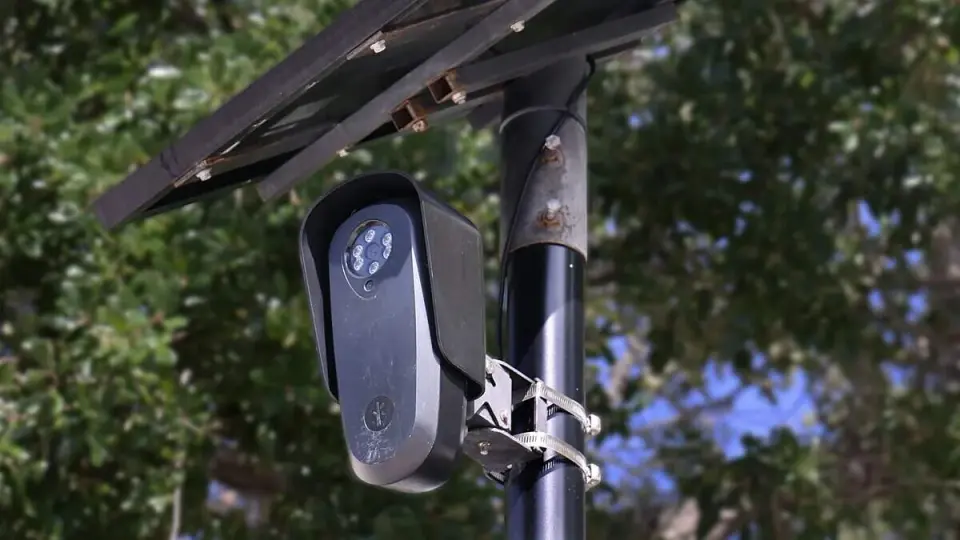
Florida’s mandate to remove automated license plate readers from state highways has not significantly reduced the state’s surveillance footprint. While agencies like the Miami-Dade Sheriff’s Office have suspended all programs, the majority of cameras remain on local roads, city streets, and private properties. Privacy advocates argue the state’s action is insufficient, noting that over 2,000 cameras still operate in South Florida, while law enforcement groups warn that the sudden removal risks public safety without clear transition plans.
Key points
- Florida DOT ordered the removal of license plate readers from state roads within 30 days, but this affects only a small fraction of the total network.
- The Miami-Dade Sheriff’s Office suspended its entire license plate reader program, including new deployments on patrol trucks, citing privacy concerns.
- Seven Miami-Dade mayors, including Miami Beach’s Steven Meiner, called for a pause on the state order, arguing it lacks a transition plan and endangers public safety.
- Broward County agencies, including Fort Lauderdale and Hollywood police, have invested millions in Flock technology, with Fort Lauderdale alone cataloging over 174 million vehicles.
- Privacy experts note that most cameras are located on city streets, county roads, and homeowner association properties, which are not covered by the state’s ban.
- Flock Safety reduced its default data retention period from 30 to 7 days and mandated audit features following national backlash, but critics say this does not address the core surveillance issues.
Background
This development follows earlier state actions in August 2026, when Florida and Texas governors moved to restrict Flock Safety cameras due to privacy concerns. Florida’s initial order targeted state highways, while Texas paused state funding for the technology. The current situation reflects a broader national debate over the balance between crime-fighting tools and mass surveillance, with local agencies now deciding whether to comply with state mandates or maintain their own surveillance networks.
How outlets are covering it
The Miami Herald emphasizes the inadequacy of the state’s ban, highlighting that most cameras are not on state roads and that the network remains 'pervasive and ungovernable.' The New York Times frames the move as a shift in political winds, noting that even law-and-order Republicans like DeSantis and Abbott are turning against Flock. Mother Jones argues that targeting Flock specifically allows competitors like Motorola and Axon to profit, as cities may replace Flock cameras with similar technology from other vendors. Local officials, such as Gainesville Police Chief Nelson Moya, support the suspension to maintain public trust, while the Broward County Chiefs of Police Association defends the technology as essential for crime-solving, provided it is used with proper safeguards.
Why it matters
The Florida mandate highlights the tension between privacy rights and public safety in the era of mass surveillance. While the state’s action may seem decisive, it leaves a vast majority of surveillance cameras operational, raising questions about the effectiveness of top-down regulatory approaches. The debate is likely to continue as local agencies navigate the legal and practical implications of the ban, and as competitors in the surveillance technology industry seek to fill the void left by Flock.
What to watch
Local agencies across Florida are expected to make decisions on whether to comply with the state’s order or maintain their own license plate reader programs. The state may face legal challenges from municipalities that oppose the ban, and lawmakers may consider legislative solutions to regulate the technology more broadly. Flock Safety and its competitors will likely continue to market their products to local agencies, potentially leading to a shift in the surveillance landscape rather than a reduction in overall surveillance capacity.
- ‘Pervasive and ungovernable.’ South Florida’s surveillance network is entrenched Miami Herald
- In Red States, Law-and-Order Republicans Turn Against Flock Cameras The New York Times
- Florida bans highway license-plate readers as backlash over surveillance spreads Reuters
- Flock Is Canceled—And Its Competitors Are Profiting Mother Jones
- GPD suspends use of automated license plate reader cameras Mainstreet Daily News Gainesville
Want the full story? Read the original reporting
Read on Miami Herald