
Oregon confirms water district breach as national cyberattacks expose critical infrastructure gaps
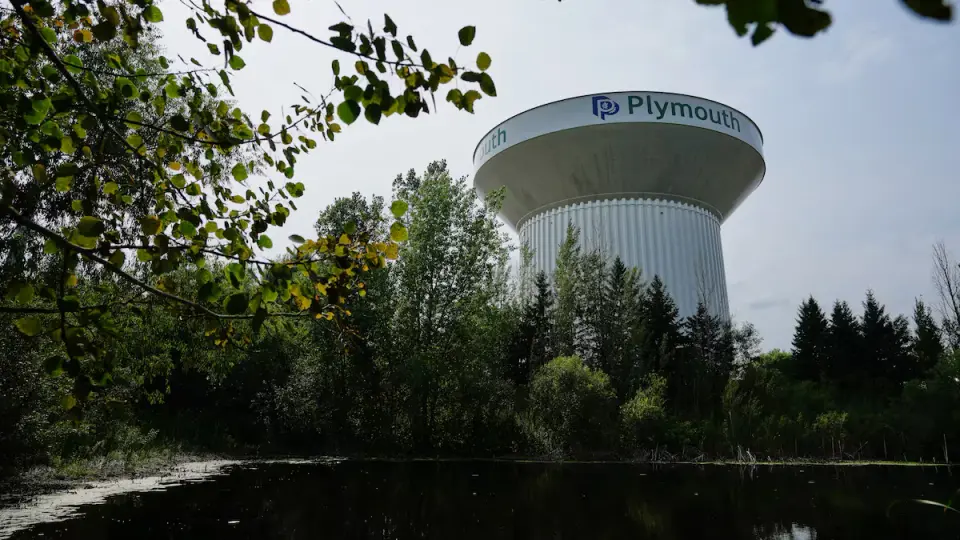
Oregon Governor Tina Kotek confirmed that hackers gained access to an unnamed state water district’s core operating technology, joining a wave of attacks across at least 12 U.S. states. While officials have not confirmed if the incidents are linked to Iran, the breaches highlight severe vulnerabilities in programmable logic controllers (PLCs) that control water pressure and flow. Experts warn that these systems often lack basic security measures, leaving utilities vulnerable to disruptions that could impact public health and emergency services.
Key points
- Oregon Gov. Tina Kotek confirmed a July cyberattack on an unnamed water district’s operational technology, though officials declined to name the specific entity.
- The FBI and CISA reported that hackers targeted PLCs in at least seven states, causing pressure loss, flooding, and temporary loss of monitoring control.
- Security experts note that many water systems lack firewalls or passwords, making them 'low-hanging fruit' for attackers, with some utilities forced to switch to manual operations.
- The New York Times reported that at least 100 water systems were hacked, with officials suspecting Iran-backed actors may be responsible for the coordinated attacks.
- Utilities are now turning to AI tools, such as Vanderbilt University’s 'digital twins' initiative, and volunteer cybersecurity support to bolster defenses against future threats.
Background
This incident follows a broader trend of cyber threats against critical infrastructure, including recent audio phishing attacks on Wall Street hedge funds and AI security concerns. Earlier in 2026, the EPA proposed expanded drinking-water monitoring, though microplastics remain excluded, highlighting ongoing debates over water quality and infrastructure resilience. The current attacks underscore long-standing vulnerabilities in aging water systems that have been recognized for decades but lack sustained federal security investment.
How outlets are covering it
OPB emphasizes the state’s response and the lack of transparency regarding the specific Oregon district, while CBS News highlights the systemic security gaps, noting that many PLCs have no passwords or firewalls. NBC News focuses on the industry’s pivot toward AI and external cybersecurity support due to federal cutbacks. Axios provides a structural analysis, pointing out that the U.S. has over 144,000 public water systems, most of which are locally managed and underfunded, making consistent cybersecurity standards difficult to enforce. While all sources agree on the severity of the threat, they differ in emphasis: OPB and CBS focus on the immediate breach and security flaws, while NBC and Axios look at long-term resilience and funding challenges.
Why it matters
The attacks expose critical vulnerabilities in the U.S. water infrastructure, where fragmented, locally managed systems often lack the resources for robust cybersecurity. Disruptions to water pressure or control systems could lead to public health risks, including untreated groundwater seeping into pipes, and could endanger facilities like hospitals that depend on consistent water supply. The incidents highlight the need for federal support and modernization of aging infrastructure to protect essential services.
What to watch
The FBI and CISA are urging water districts to limit remote access and implement security protocols, while utilities are exploring AI-based monitoring and manual backup plans. The American Water Works Association has urged Congress for federal support, and experts recommend that consumers store water and keep filtration devices on hand. Continued investigation into the potential Iran link and the development of nationwide cybersecurity standards for water utilities are expected to be key next steps.
- Oregon drinking water system accessed in recent cyber attacks Oregon Public Broadcasting - OPB
- America's water systems are getting hacked amid security gaps: "No one guarding these systems" CBS News
- Water industry turns to AI and hackers for help after suspected Iran cyberattacks NBC News
- Cyberattacks expose deeper vulnerabilities in U.S. water systems axios.com
- Cape May, Woodbine in New Jersey targeted in water system hack 6abc Philadelphia
Want the full story? Read the original reporting
Read on Oregon Public Broadcasting - OPB