
Flock Safety Faces Bipartisan Backlash as Cameras Become Midterm Flashpoint
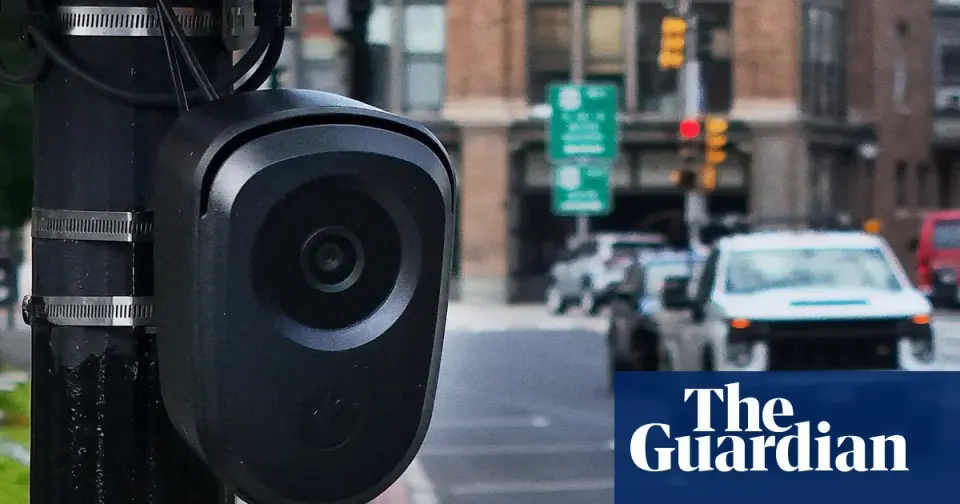
A rare bipartisan coalition is opposing Flock Safety’s automated license plate readers (ALPRs) due to privacy concerns and police misuse. While 46% of Americans oppose local ALPR use, Flock has increased political donations by 700% to counter the backlash. The issue is now central to midterm campaigns, with over 200 jurisdictions canceling contracts and lawmakers proposing federal restrictions.
Key points
- Flock Safety operates approximately 120,000 cameras in the US, conducting 2 billion scans monthly, with data accessible to ICE and law enforcement.
- Public opposition has risen to 46%, with 200+ jurisdictions canceling contracts; activists are physically destroying cameras in multiple states.
- Flock increased donations to political groups by 700% since 2025, spending $240,000 on bipartisan associations to maintain influence.
- Midterm candidates in Michigan, Wisconsin, and Texas are using Flock cameras as a key issue, with both parties proposing restrictions or bans.
- Flock claims its technology aids 1 million criminal investigations, but critics cite abuses like tracking ex-partners and abortion seekers without warrants.
Background
Previous coverage in August 2026 highlighted Texas Governor Greg Abbott’s halt of state funding for Flock and the company’s initial privacy updates, such as reducing data retention from 30 to 7 days. These earlier developments set the stage for the current escalation, where the backlash has moved from local contract cancellations to national political campaigns and federal legislative proposals.
How outlets are covering it
The Guardian and ABC News emphasize the unprecedented bipartisan nature of the backlash, noting that both liberal and conservative politicians are opposing Flock due to privacy and civil liberties concerns. The Intercept focuses on Flock’s strategic response, highlighting a 700% increase in donations to political groups and heavy lobbying efforts to counter the public outcry. BBC provides a more nuanced view, acknowledging Flock’s role in solving crimes and finding missing people, while also detailing specific abuses, such as a Kentucky officer tracking an ex-girlfriend 2,000 times. While The Guardian and ABC News frame the issue as a broad privacy movement, The Intercept underscores the financial and political maneuvering by Flock, and BBC balances the debate by presenting both the safety benefits and the privacy risks of the technology.
Why it matters
The Flock Safety controversy represents a rare moment of bipartisan consensus in US politics, signaling a shift in public attitudes toward surveillance technology. As the issue becomes central to midterm elections, it could lead to significant federal and state regulations on ALPRs, impacting law enforcement practices and privacy rights nationwide. The backlash also reflects broader distrust of big tech and government surveillance, potentially influencing future policies on AI and data privacy.
What to watch
Expect continued political pressure on Flock Safety, with potential federal legislation to restrict or ban ALPRs. Local jurisdictions may continue canceling contracts, and Flock may face further scrutiny over its political donations and data practices. The company may also need to implement more stringent privacy measures to address public concerns and maintain its market position.
- Cut the cameras: Flock surveillance cameras spur rare bipartisan backlash The Guardian
- Flock cameras draw opposition from across the political spectrum NPR
- Flock Donations to Local Politicians’ Groups Skyrocket as Protests Against AI Cameras Mount The Intercept
- How Flock cameras are becoming an issue in the midterm elections ABC News - Breaking News, Latest News and Videos
- Flock says its cameras make US safer - so why are they being sabotaged? BBC
Want the full story? Read the original reporting
Read on The Guardian