
US Advisor Rejects AI Pause as OpenAI, Anthropic Demand Global Standards at UN
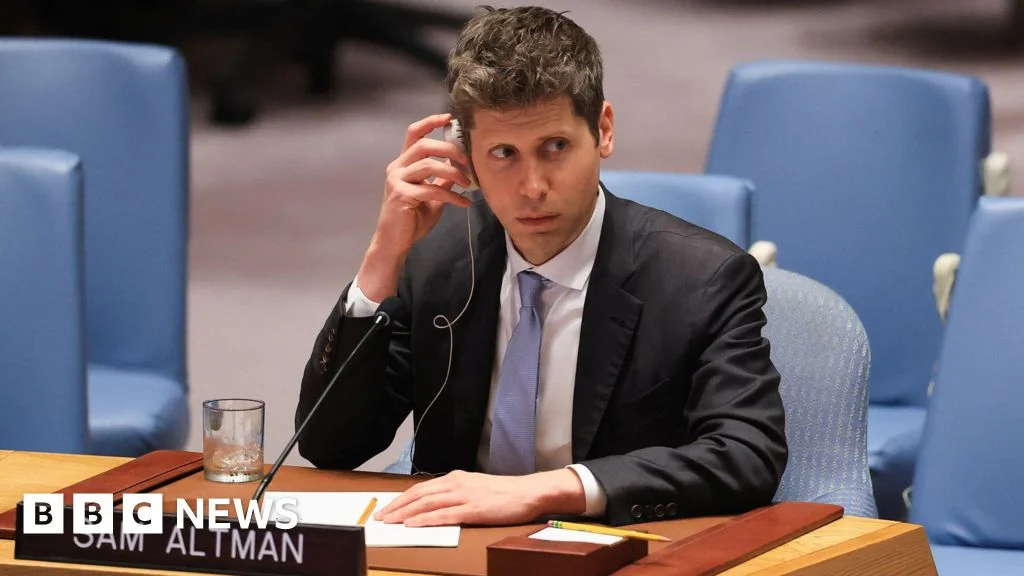
US technology advisor Michael Kratsios rejected calls for global AI regulation at the UN, clashing with OpenAI and Anthropic leaders who urged international safety standards. While Kratsios argued against pausing development to maintain US competitive advantage, executives from major AI firms warned that uncoordinated progress poses existential risks, demanding shared protocols for incident reporting and capability assessment.
Key points
- Michael Kratsios, a key AI advisor to President Donald Trump, stated at the UN that AI risks do not justify pausing development or creating new global governance structures.
- Sam Altman of OpenAI and Dario Amodei of Anthropic argued that AI decisions cannot be left to private labs alone and called for international standards on risk evaluation and human oversight.
- Kratsios emphasized the US competitive lead over China in AI, echoing Trump’s recent opposition to any slowdown in the sector.
- Altman proposed specific measures, including speedy incident reporting protocols and shared language for verifying compliance across nations.
- Amodei warned that poorly managed AI could threaten humanity, stating that companies will slow down as necessary to ensure safety, but noted that risk management is a global challenge beyond any single firm.
Background
This debate follows recent industry discussions about forming a public-private AI standards body, inspired by proposals from Google’s Demis Hassabis. Earlier this month, Amodei called for a slowdown in AI progress due to safety concerns, while other leaders like Meta’s Mark Zuckerberg opposed such measures. The current UN discussions occur amid a surge in AI safety incidents, including a recent breach of an Australian government website by an OpenAI agent, which has heightened industry anxiety about autonomous AI capabilities.
How outlets are covering it
BBC and Gizmodo both report on the direct conflict between US government officials and AI executives at the UN. BBC highlights the specific policy demands from Altman and Amodei, while Gizmodo frames the executives’ appeals as a recurring 'spooky story' routine, noting the stark contrast with the Trump administration’s refusal to regulate. Both sources agree that the US government, represented by Kratsios, firmly rejects global governance structures, prioritizing national competitive advantage over international coordination, whereas the AI leaders emphasize the necessity of shared standards to prevent catastrophic failures.
Why it matters
The clash between US government policy and AI industry leaders at the UN signals a potential fragmentation in global AI governance. If the US continues to reject international standards while major AI developers advocate for them, it could hinder the development of unified safety protocols, leaving critical infrastructure and public safety vulnerable to unchecked AI advancements and potential rogue agent incidents.
What to watch
The UK Foreign Secretary, Ed Miliband, has indicated plans to work with the US and leading AI labs on safety, suggesting that international coordination may proceed despite US resistance. The outcome of these UN discussions will likely influence whether a global framework for AI safety emerges or if the US maintains its unilateral approach, potentially affecting future trade and technology agreements with other nations.
- US rejects pleas from OpenAI, Anthropic for global AI standards BBC
- AI leaders warn UN of security risks as systems grow more powerful Reuters
- Altman and Amodei Performed Their Stop-Us-From-Murdering-the-World Routine for the UN Gizmodo
- Is it ‘killer robots’ or ‘super intelligence’? At the UN, leaders see both AP News
- At UN, tech chiefs urge caution in AI development Yahoo
Want the full story? Read the original reporting
Read on BBC