
Kerr County Residents Face Second Flood in 12 Months as Texas Fails to Update Building Codes
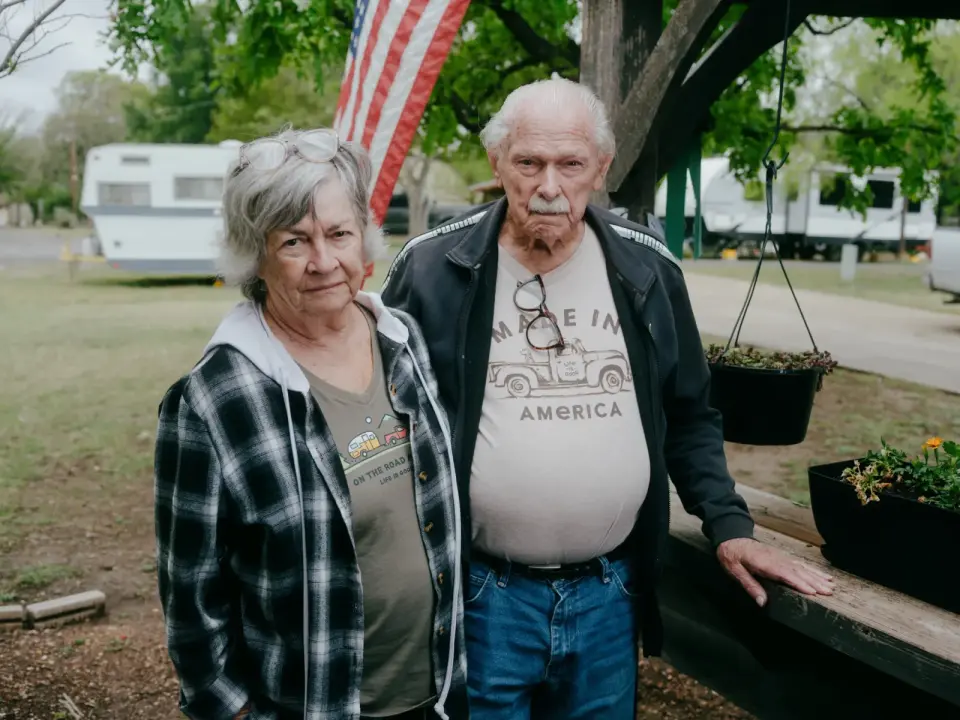
Residents of Kerr County, Texas, are enduring a second major flood in 12 months, with many choosing to rebuild despite repeated warnings. A joint investigation by ProPublica and The Texas Tribune reveals that state lawmakers have failed to implement stricter elevation rules for flood-prone areas, leaving communities vulnerable. While one death was reported in the 2026 event, the 2025 disaster killed at least 119 people. Local officials and nonprofits continue to support recovery, but systemic regulatory gaps persist.
Key points
- Joan Connor and David Stearns, who survived the 2025 Guadalupe River flood by clinging to a pergola, faced a second flood in July 2026.
- ProPublica and The Texas Tribune report that Texas lawmakers missed multiple opportunities over 60 years to enact stricter building codes in flood zones.
- Texas has more buildings in flood-prone areas than any state except Florida, yet lags behind more than half of other states in elevation rules.
- The 2025 flood killed at least 119 people in Kerr County; the 2026 flood resulted in one reported death.
- Residents like Laura Cane and Joan Connor plan to rebuild due to financial and emotional ties to their homes, despite the risk.
Background
The 2025 Central Texas floods were a catastrophic event that killed at least 119 people in Kerr County and damaged hundreds of homes. Our archive notes that in July 2026, heavy rainfall again damaged over 490 homes and 100 businesses, though officials credited early warnings for saving lives. This recurring pattern highlights the long-term impact of inadequate infrastructure and policy responses.
How outlets are covering it
ProPublica and The Texas Tribune emphasize the systemic failure of Texas lawmakers to update building codes, noting that the state has more flood-prone structures than any state except Florida. They highlight that while youth camp regulations were updated after the 2025 Camp Mystic tragedy, broader residential and RV park rules remain unchanged. The Kerr County Lead focuses on the immediate human impact, detailing how nonprofits like Light on the Hill are providing emergency financial assistance to 469 households, with 200 more expected to be reached. This outlet underscores the ongoing, exhausting nature of recovery for residents who are rebuilding for the second time.
Why it matters
The recurrence of flooding in Kerr County exposes a critical gap in Texas’s disaster preparedness and policy framework. The decision to allow residents to rebuild in high-risk areas without stringent elevation requirements puts lives at risk and strains local resources. As climate change intensifies extreme weather events, the lack of proactive legislative action could lead to further loss of life and economic hardship in the region.
What to watch
Residents are currently in the process of repairing their homes, with many planning to rebuild despite the risks. State lawmakers are expected to continue their interim hearings, though they have not yet addressed broader development issues. Nonprofits will continue to provide emergency assistance, and the community will remain vigilant for future weather events. The long-term outcome depends on whether state leaders will eventually enact the necessary regulatory changes to protect flood-prone areas.
- They Rebuilt After Texas’ Devastating Floods. Then Their Home Flooded Again. ProPublica
- Why do so many Texans live in flood zones? What we found. The Texas Tribune
- ‘Complete opposite’ | Donations lag as Texas Hill Country continues to deal with flood damage Yahoo
- Volunteers dry, gut homes before tackling mold hccommunityjournal.com
- Light on the Hill: 469 households reached, 200 more this week, and a food pantry Monday morning The Kerr County Lead
Want the full story? Read the original reporting
Read on ProPublica