
Federal Agencies Launch Sweeping Crackdown on 110 CDL Schools Over English Proficiency Failures
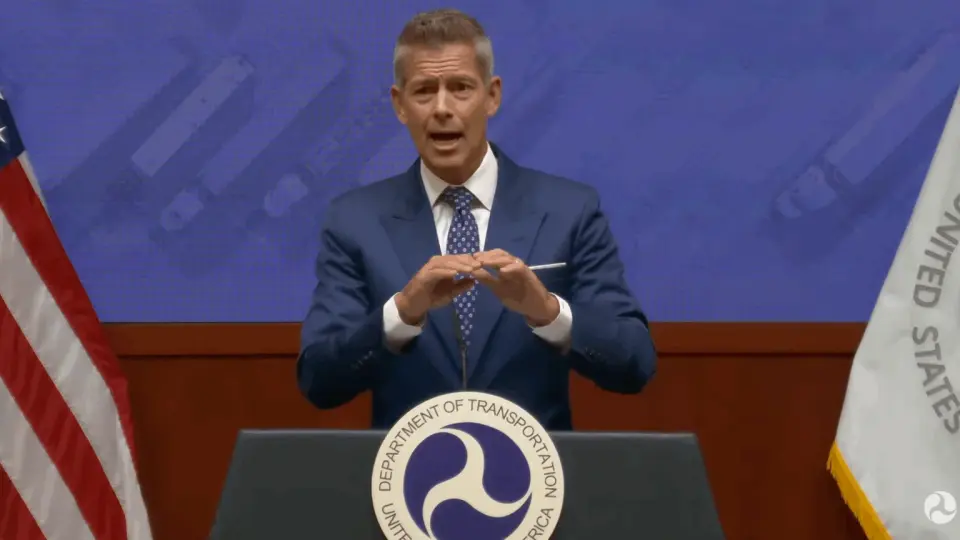
The U.S. Department of Transportation has ordered the immediate closure of 110 commercial driver’s license (CDL) training schools, citing failures in English-language proficiency. Officials state these schools trained approximately 5,000 drivers who later failed roadside tests. The action is part of a broader interagency effort involving Homeland Security and the Justice Department to combat fraud in the trucking industry.
Key points
- Transportation Secretary Sean Duffy announced the emergency removal of 110 training providers from the federal registry, with 160 additional schools facing proposed removal.
- The crackdown targets schools that certified drivers who subsequently failed English proficiency tests, a requirement for commercial drivers since 1937.
- Homeland Security Investigations launched a synchronized sweep across 23 states, targeting over 200 driving schools and issuing more than 80 inspection notices.
- The Justice Department formed the Joint Task Force Crossroads of America to coordinate enforcement in Michigan, Ohio, Indiana, and Illinois.
- Since June 2025, more than 28,000 commercial drivers have been placed out of service for English-language violations.
Background
This action follows earlier federal efforts to tighten CDL standards, including the revocation of over 30,000 licenses issued to foreign drivers and the purging of 8,000 unqualified training schools from the FMCSA registry. Previous coverage highlighted specific state-level closures in Wisconsin, Washington, and California, where authorities cited similar English proficiency failures and administrative non-compliance. The current initiative expands these efforts by integrating law enforcement operations with regulatory audits.
How outlets are covering it
FreightWaves and the Department of Transportation emphasize the safety rationale, citing fatal crashes linked to drivers who failed English tests. The Washington Post frames the action as part of a broader immigration enforcement strategy, noting the administration’s focus on removing undocumented immigrants. The Milwaukee Journal Sentinel highlights the confusion among school owners, some of whom were unaware of the shutdowns until contacted by reporters or ICE agents. While the DOT and DOJ stress fraud and safety, immigrant rights groups argue the measures unfairly target legal workers and exacerbate driver shortages.
Why it matters
The crackdown signals a shift from individual driver enforcement to systemic regulation of training and testing infrastructure. By targeting schools and third-party testers, the federal government aims to prevent unqualified drivers from entering the workforce. The coordinated multi-agency approach suggests a sustained effort to address perceived gaps in state oversight and CDL issuance, potentially impacting the availability of commercial drivers and the integrity of the licensing process.
What to watch
The FMCSA will continue audits of third-party skills testers and may withhold federal highway funds from non-compliant states. The Justice Department’s Joint Task Force will pursue criminal cases related to CDL fraud and labor exploitation. Schools facing proposed removals may contest the decisions, while the government plans further enforcement sweeps in key freight corridors.
- DOT shuts down 110 truck driving schools in CDL fraud crackdown FreightWaves
- Trump administration shuts down 3 truck-driving schools in Wisconsin, alleging fraud Milwaukee Journal Sentinel
- Trump administration closes 110 trucking schools over English-language rules washingtonpost.com
- U.S. Transportation Secretary Duffy, U.S. Homeland Security Secretary Mullin, White House Fraud Task Force, & Top U.S. Attorneys Launch Historic Interagency Effort to Crack Down on Fraud in Trucking Industry | US Department of Transportation Department of Transportation (.gov)
- Colorado trucking school ordered to shut down as federal crackdown targets fraudulent practices CBS News
Want the full story? Read the original reporting
Read on FreightWaves