
US air travel nears normal after FAA router outage, but Monday tests recovery
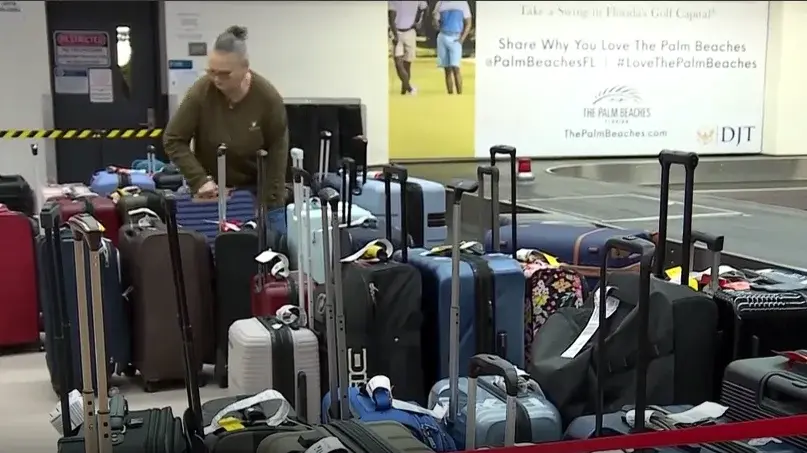
A nationwide ground stop caused by a telecommunications failure is subsiding, with most flights resuming by Sunday. However, significant delays persist as airlines reposition crews and aircraft. Federal officials blame a router upgrade by contractor L3Harris for the outage, which disrupted 17 of 22 air traffic control centers. While the FAA ruled out a cyberattack, the incident has intensified debates over funding for modernizing aging air traffic control infrastructure.
Key points
- The FAA lifted a nationwide ground stop at 8:15 p.m. EST on Friday, November 13, after it lasted approximately four to five hours.
- By Sunday, cancellations and delays had subsided, but 2,284 flights were still canceled and 10,262 delayed, according to FlightAware.
- Federal officials attributed the outage to a router replacement in El Dorado, Arkansas, which triggered a cascading failure involving a recently replaced router in Amarillo, Texas.
- The FAA disabled the broadcasting functionality of the implicated routers and took precautions with approximately 60 other routers across the system.
- Transportation Secretary Sean Duffy requested $50 billion in emergency funding to modernize air traffic control systems, up from an earlier request of $30 billion.
Background
This incident is the second nationwide ground stop in U.S. history since September 11, 2001. Previous coverage noted that the outage resulted in over 9,100 canceled flights on Friday, marking the second-highest cancellation count of 2026. The disruption highlighted vulnerabilities in aging infrastructure, as Congress had approved $12.5 billion for upgrades in 2025, but only a portion had been spent by the time of the outage.
How outlets are covering it
Outlets agree on the cause and impact but differ on emphasis. The New York Times focuses on the technical failure, noting that a router in Arkansas sent a flood of data into the FAA’s system after an upgrade, while also mentioning a second issue in Texas. Fox Business highlights the investigation into L3Harris, the contractor involved in the equipment upgrades, and notes that the FAA signed off on the work before problems began. NPR emphasizes the human impact, with travelers facing multi-day delays, and the political debate over funding, with Democrats questioning why more money is needed when $12.5 billion was already appropriated. WPBF focuses on the local impact at President Donald J. Trump International Airport, noting that 33 flights were canceled and 101 delayed on Sunday, compared to 75 cancellations and 48 delays on Saturday.
Why it matters
The incident underscores the fragility of the U.S. air traffic control system and the risks of modernizing aging infrastructure. It has intensified calls for increased funding to update the system, with Transportation Secretary Sean Duffy requesting $50 billion in emergency funding. The outage also highlighted the importance of air traffic controllers, who managed the crisis despite unreliable equipment.
What to watch
Airlines are working to bring crews and planes to the right places and accommodate flyers whose flights didn't take off. Transportation Secretary Sean Duffy predicted that air travel would return to normal by the end of Sunday, but 386 flights were already canceled for Monday. The FAA is investigating the cause of the outage, and L3Harris is supporting the investigation to understand the conditions that led to the ground stop.
- Flight cancellations, delays subside at DJT two days after nationwide ground stop WPBF
- How Could a Router Lead to a Nationwide Ground Stop? The New York Times
- Monday air travel faces key test after FAA ground stop as possible cause emerges Fox Business
- L3Harris: The Defense Contractor at the Center of the Ground Stop WSJ
- Flight disruptions expected to last into Monday NPR
Want the full story? Read the original reporting
Read on WPBF