
US Grounds All Flights for Five Hours as Aging ATC Systems Fail
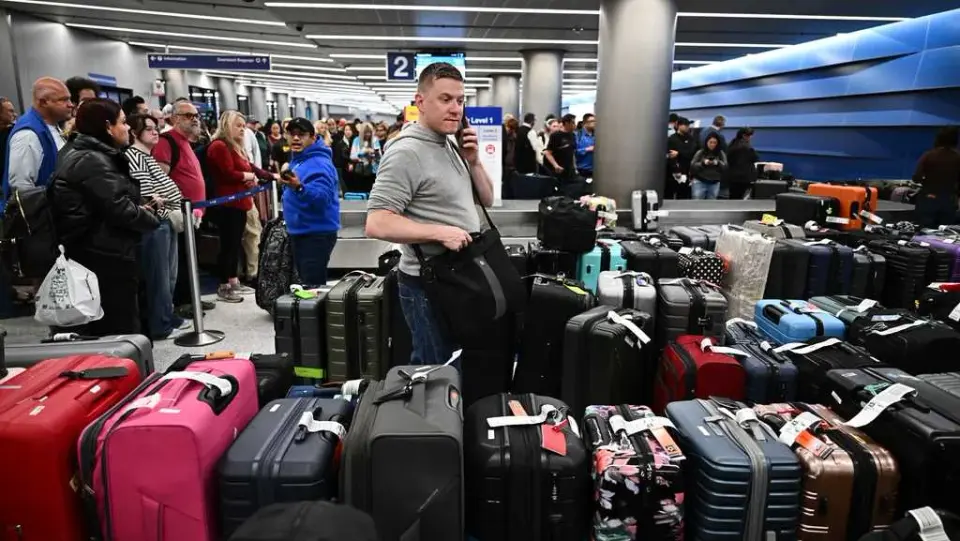
The Federal Aviation Administration (FAA) imposed a nationwide ground stop on November 13, 2026, halting all departing flights for approximately five hours. Officials attributed the disruption to overloaded, antiquated telecommunications and radar systems rather than a cyberattack. The stop affected over 1.5 million passengers and 11,000 scheduled flights, with recovery expected to take days. Transportation Secretary Sean Duffy requested $50 billion in emergency funding to modernize the system, warning that similar failures could occur without congressional action.
Key points
- The ground stop began at 3:36 p.m. ET and was lifted at 8:15 p.m. ET, marking the longest nationwide halt since the September 11, 2001, attacks.
- Officials stated that new technology installations overwhelmed older, legacy equipment, causing intermittent communication and radar gaps across Air Route Traffic Control Centers.
- Approximately 3,500 aircraft were in the air when the stop began; by 8:00 p.m. ET, fewer than 400 remained, as planes were safely landed or diverted.
- Over 827 flights were diverted, with major hubs like Washington Dulles, Los Angeles, and Nashville receiving redirected traffic.
- Transportation Secretary Sean Duffy and Homeland Security Secretary Markwayne Mullin confirmed President Donald Trump was briefed and actively engaged in crisis management.
- Duffy requested $50 billion in emergency funding from Congress to overhaul the air traffic control system, citing the need for a complete modernization.
Background
This incident is the second nationwide ground stop since the September 11, 2001, attacks, following a brief halt in January 2023 caused by a failure in the Notice to Air Missions (NOTAM) system. The current outage occurred three days after the FAA rolled out its new $875 million AI tool, SMART, to 22 centers, though officials denied any link between the two. The event follows a massive Microsoft outage on November 12, which affected millions of users globally; both the FAA and Microsoft denied any connection between the two incidents. Previous outages, including a regional communication failure in September and radar issues at Newark last year, were also linked to aging infrastructure or construction errors.
How outlets are covering it
While the Trump administration, including Transportation Secretary Sean Duffy and Homeland Security Secretary Markwayne Mullin, blamed the outage on 'overloaded' and 'antiquated' systems, emphasizing that no cyberattack or nefarious act was detected, other voices highlighted the urgency of modernization. Senator Ted Cruz, chair of the Senate Commerce Committee, used the incident to argue for prioritizing the modernization of Air Route Traffic Control Centers (ARTCCs), noting that no new center has been built since the Johnson administration. Former TSA Administrator John Pistole expressed skepticism about the speed of recovery, questioning why the fault occurred at that specific time and warning of potential future disruptions ahead of the Thanksgiving travel rush. Aviation safety expert Steve Arroyo noted that while the incident was severe, it differed from the 9/11 grounding because pilots could still communicate with ground controllers, and planes were not ordered to land immediately. Critics also pointed to the timing of the new SMART AI rollout, though the FAA and Air Space Intelligence (ASI) denied any link between the software and the outage.
Why it matters
The incident highlights the fragility of the US air traffic control system, which relies on decades-old infrastructure. The five-hour ground stop disrupted over 1.5 million passengers and 11,000 flights, causing significant economic and logistical impacts, including delays for sports teams, cargo, and international travel. The request for $50 billion in emergency funding underscores the urgent need for modernization to prevent future disruptions. The event also raised concerns about the reliability of the system ahead of the busy Thanksgiving travel season, with officials warning that similar failures could occur without congressional action.
What to watch
Airlines are expected to take days to fully recover, as many planes and crews are out of position. The FAA has stated that the system will be back to normal in time for the Thanksgiving travel rush, but officials warn that the ripple effect will continue into the weekend. Congress is expected to debate the $50 billion emergency funding request from Transportation Secretary Sean Duffy. The FAA will continue to investigate the root cause of the outage, though officials have ruled out a cyberattack. Airlines are offering travel waivers and rebooking passengers, with some flights already resuming operations. The incident may lead to increased scrutiny of the FAA's modernization efforts and the timing of new technology rollouts, such as the SMART AI tool.
- Trump administration blames 'overloaded' systems for ground stop after FAA lets flights resume WLKY
- Live updates: Thousands of travelers stranded as some flights resume after hours-long ground stop CNN
- US grounds all flights for hours over tech issues, prompting travel chaos BBC
- Nationwide FAA ground stop lifted but cancellations, significant delays to continue: Transportation secretary Fox Business
- What to Know About Friday’s Nationwide Ground Stop The New York Times
Want the full story? Read the original reporting
Read on WLKY