
Federal judge halts Trump-era visa caps for students and journalists
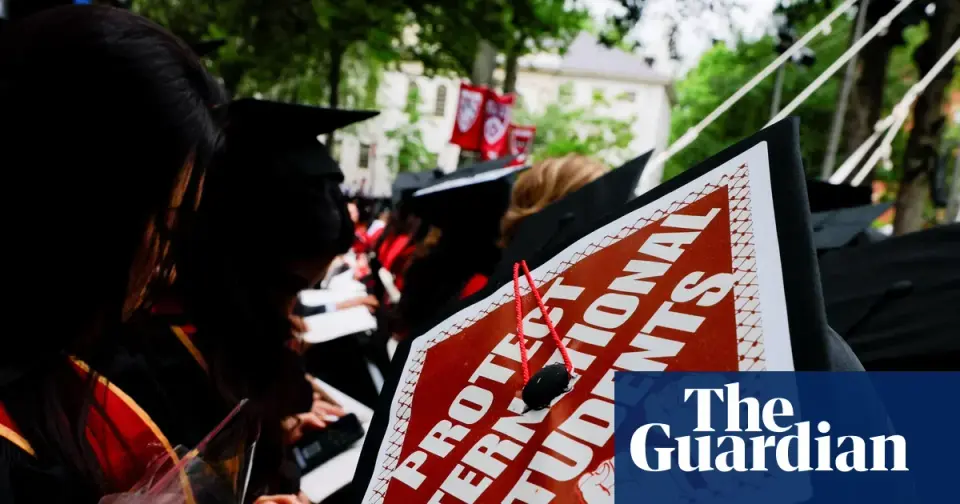
A federal judge in Boston blocked the Trump administration from enforcing a new rule that would cap the stay of foreign students and journalists in the US. The ruling preserves the 'duration of status' system, which allows international scholars to remain for the length of their training. The Department of Homeland Security had proposed four-year limits for student visas and 240-day limits for journalists, citing national security and fraud concerns. The judge rejected these rationales as weak and warned that the policy would cause catastrophic harm to US universities and the economy. Approximately 2.1 million people hold the affected visa types. The decision comes amid broader legal challenges to other immigration restrictions, including rules on public benefits for green card applicants.
Key points
- Judge F. Dennis Saylor IV issued a preliminary injunction one day before the new DHS rule was set to take effect.
- The blocked rule would have capped F visas for students and J visas for exchange visitors at four years, and I visas for journalists at 240 days.
- The judge ruled that DHS failed to comply with the Administrative Procedure Act by not adequately considering less burdensome alternatives or engaging with public concerns.
- The ruling preserves the 'duration of status' policy, which has allowed foreign students to stay for the length of their studies for nearly five decades.
- Approximately 1.6 million people hold F visas and 500,000 hold J visas; major research universities like MIT and Harvard rely heavily on this system.
- The judge warned that the rule would cause 'catastrophic' damage to the higher education system and the US economy, potentially costing hundreds of millions of dollars.
Background
This ruling is part of a broader pattern of legal setbacks for the Trump administration’s immigration agenda. In September 2026, courts also blocked a separate DHS regulation that would have allowed immigration authorities to deny green cards to applicants who use public benefits, such as food assistance and Medicaid. Additionally, earlier in 2026, federal judges blocked executive orders aimed at restricting birthright citizenship, citing constitutional protections under the 14th Amendment. These cases reflect ongoing tensions between the administration’s efforts to tighten immigration controls and legal challenges from states, universities, and advocacy groups.
How outlets are covering it
The Guardian and Al Jazeera both reported on the judge’s ruling, emphasizing the legal and economic implications of the blocked visa caps. The Guardian highlighted the judge’s criticism of DHS’s 'exceptionally weak' rationales and the potential 'catastrophic' impact on US universities. Al Jazeera framed the decision as part of a 'double legal setback' for the administration, linking it to a separate lawsuit challenging public charge rules. STAT provided a more detailed analysis of the legal arguments, noting that the judge found the administration’s national security justification unconvincing and questioned whether the policy’s true purpose was to assert greater government control over academic institutions. STAT also highlighted concerns from the biomedical research community, noting that international researchers make up a significant portion of the US life science workforce. DHS, through its general counsel, criticized the ruling as enabling abuse of the immigration system, while the plaintiffs’ coalition argued that the ruling preserves a longstanding system that benefits US colleges and the economy. The sources generally agree on the facts of the ruling but differ in their emphasis: The Guardian and Al Jazeera focus on the broader political context, while STAT delves into the specific legal and scientific implications.
Why it matters
The ruling has significant implications for the US higher education system and the global talent pipeline. By preserving the 'duration of status' policy, the decision ensures that international students and researchers can continue to stay in the US for the duration of their training, which is crucial for fields like science, medicine, and technology. The economic impact is also substantial, as major research universities rely heavily on international students for funding and innovation. Furthermore, the ruling sets a precedent for future challenges to immigration policies, potentially influencing how the administration approaches other visa and residency restrictions. The case also highlights the tension between national security concerns and the benefits of international education and research, a debate that is likely to continue in the courts and in policy discussions.
What to watch
The case is expected to continue, with the judge having granted a preliminary injunction but not a summary judgment. This means that the full arguments in the lawsuit will still be heard, and the final outcome is not yet determined. The Trump administration may appeal the ruling, and the case could potentially reach higher courts. Meanwhile, the blocked rule remains in limbo, and the 'duration of status' system continues to operate as before. The administration may also seek to revise the rule or propose new regulations that address the legal deficiencies identified by the judge. The outcome of this case could have a lasting impact on US immigration policy and the future of international education and research in the country.
- Judge blocks Trump limits on how long foreign students and journalists can stay in US The Guardian
- Federal judge blocks Trump rule limiting foreign student visas Dallas News
- Trump administration suffers double legal setback over immigration policy Al Jazeera
- Judge blocks Trump administration plans to limit visa length for grad students, postdocs statnews.com
- Judge Blocks Immigration Rule Limiting Students To Four Years Forbes
Want the full story? Read the original reporting
Read on The Guardian