
Christa Pike Discharged After Surviving Botched Execution, Faces Legal and Medical Uncertainty
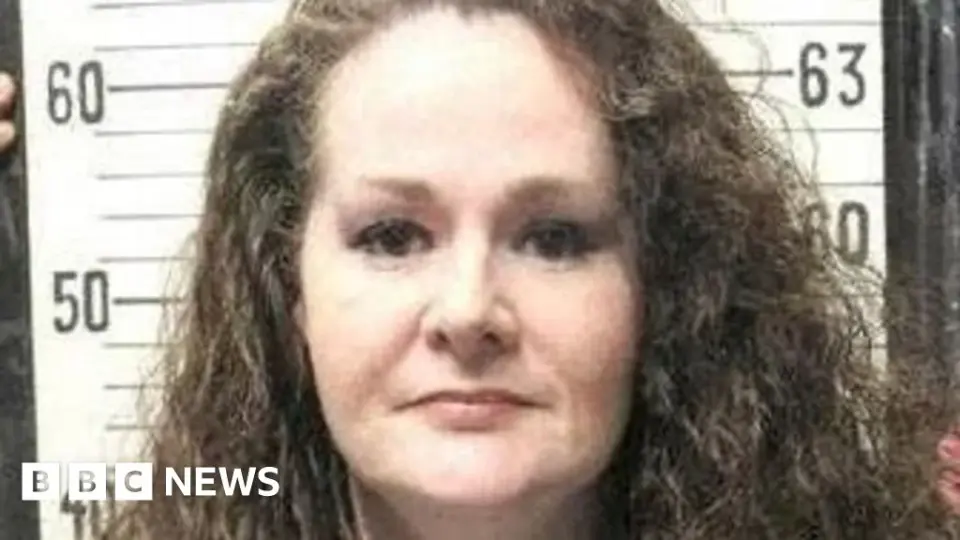
Christa Pike, 50, has been discharged from a Nashville hospital after surviving a botched lethal injection attempt on September 30, 2026. Her lawyers report a 'profound' physical recovery, including the ability to walk with assistance and eat, though she suffers from a blood clot, pneumonia, and severe psychological trauma. Pike, convicted for the 1995 murder of Colleen Slemmer, is believed to be the first person to survive an execution attempt in the US. Governor Bill Lee has paused all executions in Tennessee for the remainder of 2026 and ordered a review, while Pike’s legal team seeks to downgrade her sentence to life in prison. The case has intensified national debate over the reliability and ethics of lethal injection, with experts citing frequent procedural errors and drug sourcing issues.
Key points
- Pike survived two doses of pentobarbital on September 30 and was hospitalized in critical condition.
- Her lawyers state she has regained consciousness, can walk with help, and is eating, but still faces a blood clot and pneumonia.
- Pike is described as suffering from profound psychological trauma and confusion following the event.
- Tennessee Governor Bill Lee has suspended executions until the end of 2026 and ordered a third-party review.
- A court has ordered the preservation of all evidence, including IV lines and syringes, from the execution room.
- Pike’s legal team is petitioning to replace the death sentence with life in prison without parole.
Background
Pike was sentenced to death in 1995 for the murder of Colleen Slemmer, a 19-year-old classmate she killed with her then-boyfriend, Tadaryl Shipp. Shipp, who was 17 at the time, was spared the death penalty due to his age and remains in prison. Pike’s case has drawn significant attention due to the unprecedented nature of her survival. Previous archive coverage noted that Pike remained unconscious on a ventilator for several days after the incident, with her lawyers alleging 'deliberate indifference' by state officials. The current discharge marks a significant shift in her medical status, moving from critical care to a state of recovery, though her legal status remains unresolved.
How outlets are covering it
BBC and The New York Times emphasize Pike’s physical recovery and the legal implications of her survival, noting her ability to walk and eat, though The New York Times highlights ongoing issues like a blood clot and pneumonia. CNN focuses on the broader context of lethal injection failures, comparing Pike’s case to the recent execution of Jamaal Howard in Texas, which used the same drug. Al Jazeera provides a critical analysis of the death penalty, arguing that lethal injection is frequently botched due to poor medical protocols and drug sourcing issues, citing experts who describe the method as 'humane-looking' rather than 'humane.' All sources agree on the fact of Pike’s survival and the subsequent pause in executions, but differ in emphasis: BBC and NYT focus on the individual’s recovery and legal battle, while CNN and Al Jazeera frame the event as part of a systemic failure in the US capital punishment system.
Why it matters
Pike’s survival challenges the fundamental premise of lethal injection as a reliable and humane method of execution. The case has prompted a state-wide pause on executions and a court-ordered preservation of evidence, which could lead to legal challenges against the state. It also raises ethical questions about the treatment of inmates who survive execution attempts and the psychological toll on both the inmate and the victim’s family. The incident has intensified national debate over the death penalty, with critics arguing that the method is inherently flawed and inhumane, while proponents suggest alternative methods or the need for stricter protocols. The case may set a precedent for future legal challenges against lethal injection procedures in the US.
What to watch
Pike’s legal team is expected to continue pushing for a sentence reduction to life in prison without parole. The Tennessee governor’s ordered review of the execution process is likely to result in recommendations for procedural changes or potential legal action against the state. The preserved evidence may be used in a future lawsuit or to determine whether a second execution attempt will be made. The case will likely continue to draw national attention, with ongoing debates about the ethics and reliability of lethal injection. Pike’s recovery and legal status will be closely monitored by both supporters and opponents of the death penalty.
- Christa Pike's health has seen 'profound turnaround' in last three days, lawyers say BBC
- 'Accidents happen': What the Supreme Court has said about survivors of botched executions ABC News - Breaking News, Latest News and Videos
- Christa Pike, Confused After Failed Tennessee Execution, Is at Center of Legal Storm The New York Times
- The lethal injection drug used in Christa Pike’s botched execution was just used in Texas. A look at the two cases CNN
- Christa Pike case underscores prevalence of botched executions in US Al Jazeera
Want the full story? Read the original reporting
Read on BBC