
Judge releases California man after guillotine found in truck near Supreme Court
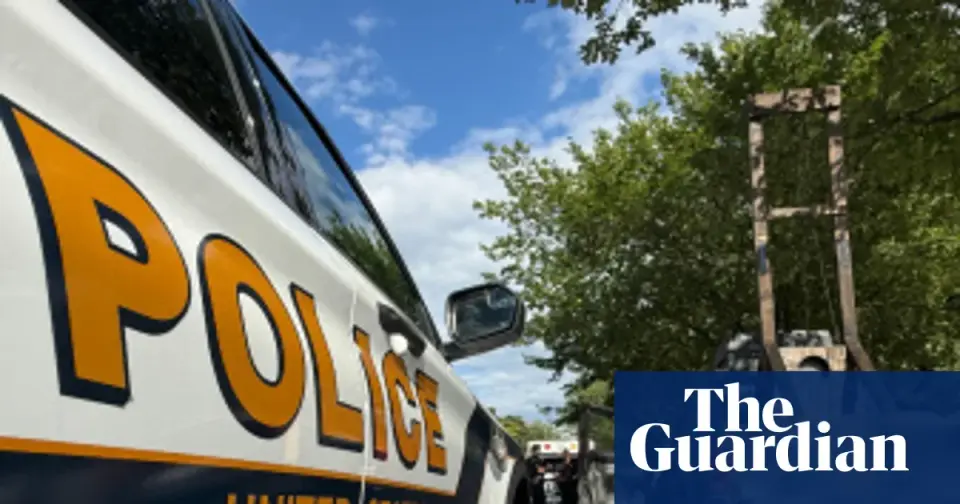
Philan-Tam-Duy Le, a 35-year-old from Julian, California, pleaded not guilty to a misdemeanor weapon charge after being arrested near the US Capitol for transporting a wooden guillotine in his pickup truck. Judge Robert Hildum released Le from custody, noting he did not threaten anyone, despite prosecutors arguing he intended to use the device unlawfully. Le told police the guillotine was functional, and his brother suggested it was a symbolic gesture of political disapproval.
Key points
- Le pleaded not guilty to attempted possession of a prohibited weapon at a Wednesday arraignment.
- Judge Hildum denied prosecutors' request to keep Le jailed, stating he did not threaten anyone or flee.
- Capitol police found a 10-foot guillotine in the bed of Le's black Toyota Tacoma parked near the Supreme Court.
- Le confirmed to officers that the guillotine was the 'real deal' and functional.
- Le stated he had no specific reason for being near federal grounds and no issues with Congress members.
Background
Le was initially arrested on August 26, 2026, after Capitol police discovered the guillotine in his truck near the Supreme Court while Congress was in recess. Earlier reports indicated he had driven cross-country from California to Washington, D.C. His brother, Kelvin Le, previously described the device as a symbol of disapproval toward both political parties, characterizing Philan as a free spirit skilled in handcraft.
How outlets are covering it
The Washington Post emphasized the judge's decision to release Le, highlighting Hildum's remark that Le did not threaten anyone, which contrasted with prosecutors' accusation of intent to use the weapon unlawfully. The Guardian focused on the arraignment details and Le's statement that the guillotine was functional, while noting the lack of a clear motive. Both outlets reported that Le's lawyer, Anthony Smith, did not respond to comment requests, and the investigation into his background remains ongoing.
Why it matters
The case highlights tensions regarding public safety and symbolic protests near federal institutions. The judge's decision to release Le despite the presence of a historically lethal device underscores the legal distinction between possession and intent to harm, raising questions about how authorities interpret ambiguous political gestures in high-security zones.
What to watch
An investigation into Le's background and motives is ongoing. Le remains free pending further legal proceedings, and the seized guillotine is in police custody. No immediate further charges have been announced, but the case may proceed to trial if prosecutors pursue the weapon charge.
- US Capitol police arrest California man with guillotine in truckbed The Guardian
- California man arrested with guillotine near U.S. Capitol NBC4 Washington
- Judge releases man accused of driving guillotine to Supreme Court The Washington Post
- US Capitol Police arrest driver with a guillotine in truck bed by the US Capitol building WUSA9
- Man arrested near US Capitol after driving from California with a guillotine in his truckbed WTOP News
Want the full story? Read the original reporting
Read on The Guardian