
Cornell Faculty Senate Prepares No-Confidence Vote Amid Ongoing Campus Protests
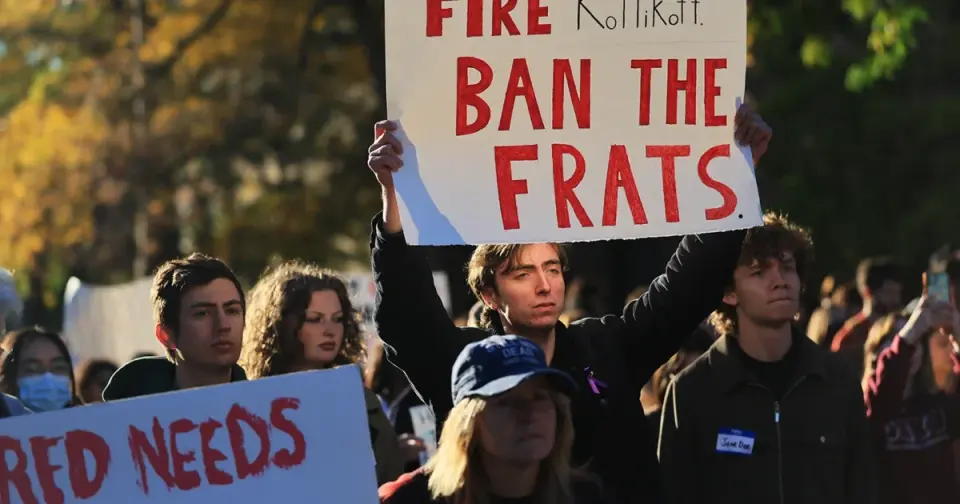
Cornell University faculty members have introduced a resolution calling for a no-confidence vote in the university administration over its handling of a 2024 alleged sexual assault. The measure, submitted to the University Faculty Committee on Monday, is set for consideration by the Faculty Senate on October 14. This action follows a massive campus rally on October 5, where thousands of students and community members demanded the resignation of President Michael Kotlikoff and other administrators. The controversy stems from a lawsuit filed by a former student, identified as Jane Doe, who alleges she was drugged and gang-raped by seven Chi Phi fraternity members in October 2024. While the university imposed internal disciplinary sanctions, critics argue the response was insufficient, leading to national scrutiny and a reopened criminal investigation by New York authorities.
Key points
- Cornell Faculty Senate members introduced a no-confidence resolution regarding the administration's handling of the 2024 sexual assault case, with a vote expected on October 14.
- The resolution seeks systemic change rather than the immediate resignation of President Michael Kotlikoff, though students at the October 5 rally demanded his removal.
- Thousands of protesters gathered at Ho Plaza and Day Hall on October 5, chanting for justice and demanding the expulsion of the seven accused fraternity members.
- President Kotlikoff and Vice President Ryan Lombardi addressed the Graduate and Professional Student Assembly on Monday, acknowledging the anger but defending the university's Title IX processes.
- The case has prompted New York Attorney General Letitia James to conduct an independent investigation, while the Tompkins County District Attorney has reopened the criminal case.
Background
This development follows a series of escalating events since late 2024. In November 2024, Jane Doe filed a civil lawsuit alleging she was drugged and gang-raped by Chi Phi members. The university responded with internal Title IX sanctions, including two expulsions, but faced criticism for not involving law enforcement earlier. In September 2026, the Tompkins County District Attorney reopened the criminal investigation, and in October 2026, Governor Kathy Hochul appointed Attorney General Letitia James as a special prosecutor. The current no-confidence resolution and protests represent the latest phase of a prolonged crisis that has drawn national attention to Cornell's handling of sexual misconduct.
How outlets are covering it
NBC News highlights the faculty's strategic decision to focus on systemic change rather than individual resignations, noting that Faculty Senate member Paul Ortiz believes replacing personnel without changing the environment is ineffective. The Ithaca Journal emphasizes the scale of the October 5 rally, describing it as a massive mobilization of thousands demanding immediate administrative resignations and harsher penalties. The Cornell Daily Sun provides a more balanced view of the administration's response, reporting that President Kotlikoff defended the university's Title IX office as professional and trauma-informed, while acknowledging the community's anger. AP News focuses on the broader student protest movement and the specific demands for policy changes, such as compliance with New York's Enough is Enough Law. The outlets differ in their emphasis: NBC and the Daily Sun focus on the institutional and procedural aspects, while the Ithaca Journal and AP News highlight the emotional intensity and public pressure from the student body.
Why it matters
The no-confidence resolution and ongoing protests signal a deepening crisis of trust between Cornell's administration and its community. The case has become a national focal point for debates on how universities handle sexual assault allegations, particularly regarding the balance between internal disciplinary processes and law enforcement involvement. The potential for a no-confidence vote could force significant policy changes or leadership shifts, impacting the university's reputation and future handling of similar cases. Additionally, the involvement of state and federal authorities underscores the legal and political ramifications of the university's initial response.
What to watch
The Faculty Senate is expected to consider the no-confidence resolution on October 14. If passed, it will likely trigger a series of discussions between faculty and administration regarding sexual assault policies. The university is also planning a town hall to hear directly from students, as announced by President Kotlikoff. Meanwhile, the independent investigation by Attorney General Letitia James and the grand jury review by the Tompkins County District Attorney will continue, potentially leading to criminal charges or further legal actions against the accused fraternity members or the university itself.
- Cornell faculty senate introduces no-confidence resolution over handling of alleged 2024 sexual assault nbcnews.com
- Thousands flood Cornell campus in rally supporting Jane Doe The Ithaca Journal
- A crowd of students protest Cornell’s response to gang rape complaint apnews.com
- ‘We’re All Angry’: Kotlikoff, Lombardi Address Sexual Misconduct Concerns At GPSA Meeting The Cornell Daily Sun
- ‘Cornell 7’ frat brother apologizes to Jane Doe about ‘backlash’ in newly obtained phone call New York Post
Want the full story? Read the original reporting
Read on nbcnews.com