
Federal Courts Deliver Back-to-Back Rejections of Trump’s Mass Detention Policy
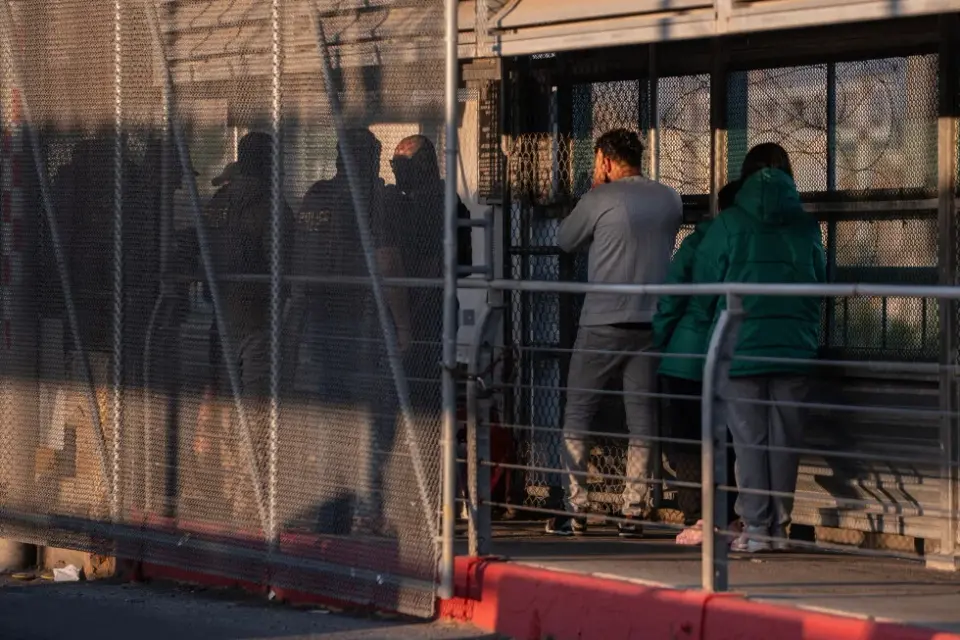
On July 30, 2026, the 9th and 7th Circuit Courts of Appeals issued consecutive rulings rejecting the Trump administration’s mandatory detention policy for immigrants. The 9th Circuit ruled that the government misconstrued 1996 immigration laws by detaining long-term residents without bond hearings. The 7th Circuit similarly blocked the refusal of bond hearings for undocumented immigrants already living in the U.S. These decisions mark the administration’s fifth and sixth consecutive losses in this legal battle, with only two circuits supporting the policy so far.
Key points
- The 9th Circuit Court of Appeals issued a 2-1 ruling stating that the Trump administration misinterpreted decades-old immigration laws to justify mandatory detention for millions of immigrants who have lived in the U.S. for years without criminal records.
- The 7th Circuit Court of Appeals followed with a similar 2-1 decision, finding that the government improperly applied a rule meant for 'seeking admission' at the border to immigrants already residing in the country.
- The rulings require bond hearings for detained individuals, allowing them to argue they are not flight risks or dangers to the community, rather than facing indefinite detention.
- These decisions join similar rulings from the 2nd, 6th, 10th, and 11th Circuits, while only the 5th and 8th Circuits have sided with the administration.
- The Justice Department has appealed the 6th Circuit defeat to the Supreme Court, and the ACLU has asked the justices to overturn the 5th Circuit’s ruling, indicating the issue is destined for high court review.
Background
This legal battle stems from a policy adopted by the Trump administration in summer 2025, which expanded mandatory detention to include individuals who entered the U.S. 'without inspection' years prior. Earlier in July 2026, a 5th Circuit panel had ordered bond hearings within 90 days, but the full court later vacated that order and granted a stay for the administration. The current rulings represent a significant shift, with over 460 federal judges rejecting the policy in more than 10,000 cases compared to 54 judges supporting it in about 1,100 cases.
How outlets are covering it
AP News and The New Republic emphasize the scale of the defeat, noting that the 9th and 7th Circuit rulings occurred within four hours of each other, marking the administration's fifth and sixth consecutive losses. Politico highlights the 9th Circuit's majority opinion by Judge Daniel Bress, a Trump appointee, which argued that Congress did not intend to subject millions of long-term residents to mandatory detention in 1996. Balls and Strikes focuses on the procedural conflict, noting that while the 5th Circuit granted a 'precedential stay' for the administration, district court judges in Texas, such as Judges Diana Saldaña and Keith Ellison, have continued to grant habeas petitions, arguing the stay lacks analytical basis and precedential value. All sources agree that the Supreme Court is likely to hear the case, given the conflicting circuit rulings and the volume of habeas petitions filed nationwide.
Why it matters
The rulings directly impact the detention status of thousands of immigrants across the southern border and other states, potentially leading to their release pending bond hearings. The legal precedent established by these circuits will influence lower courts until the Supreme Court intervenes, affecting the administration's ability to execute its mass deportation strategy. The split among federal circuits highlights deep divisions in the judiciary regarding the interpretation of immigration laws and constitutional rights regarding indefinite detention.
What to watch
The Supreme Court is expected to hear the case in the upcoming term, as the Justice Department has already appealed the 6th Circuit defeat and the ACLU has requested review of the 5th Circuit's ruling. Lower courts in circuits that have rejected the policy will likely continue to grant bond hearings, while those in the 5th and 8th Circuits may maintain the administration's position. The outcome will determine whether millions of long-term residents can avoid mandatory detention while their deportation proceedings continue.
- Appeals court rejects the Trump administration's expansion of mandatory detention for immigrants AP News
- Two more federal appeals courts reject ICE mass detention policy Politico
- District Court Judges Are Unimpressed By the Fifth Circuit’s “Precedential Stay Order” Stunt Balls and Strikes
- Trump Suffers Back to Back Losses in Less Than 4 Hours Over ICE The New Republic
- Appeals court rejects the Trump administration’s expansion of mandatory detention for immigrants WAVY.com
Want the full story? Read the original reporting
Read on AP News