
Federal DEI Funding Cuts Leave Rural Communities Without Basic Infrastructure
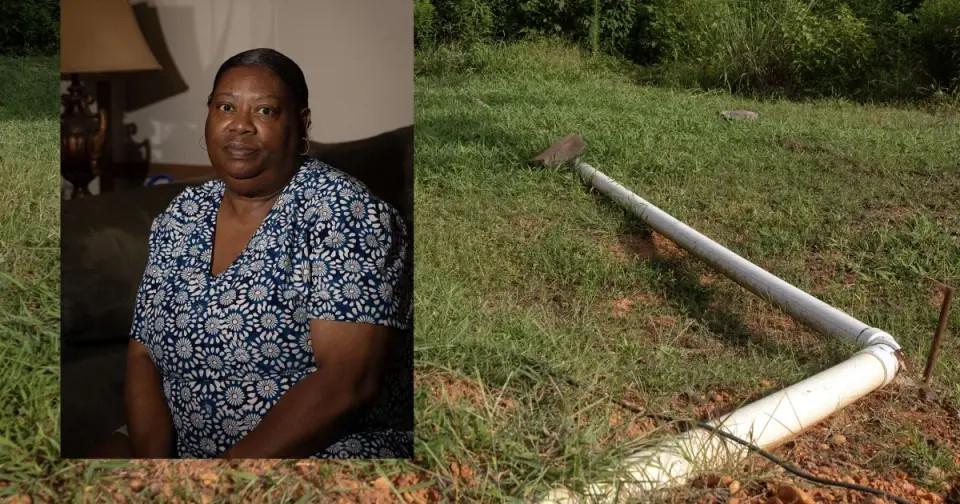
The termination of federal diversity, equity, and inclusion (DEI) programs has halted critical infrastructure projects in rural areas, leaving residents without sewage systems, air monitoring, or erosion control. In Alabama, a resident has lived for nearly 30 years with raw sewage leaking into her yard due to the collapse of a septic project. Similar failures in Alaska and Georgia have left communities exposed to environmental hazards, highlighting the direct impact of federal funding cuts on local public health and safety.
Key points
- Federal DEI funding cuts have caused the collapse of infrastructure projects in rural Alabama, Alaska, and Georgia.
- In Lowndes County, Alabama, a resident has endured raw sewage in her backyard for nearly three decades due to the failure of a septic system project.
- Projects aimed at installing indoor plumbing in Alaska and providing air monitoring in Georgia have also stalled, leaving residents vulnerable to health risks.
- The lack of basic infrastructure has led to increased risks of parasite infections and exposure to air pollution for local communities.
- The situation underscores the broader impact of federal policy changes on essential public services in underserved areas.
Background
This development follows a pattern of federal funding shifts affecting public health and infrastructure, as seen in the 2026 reduction of direct HIV prevention grants and the ongoing scrutiny of environmental policies. While previous debates focused on data center impacts and pollution from events like the July 4 fireworks, the current crisis highlights how the removal of DEI-related funding directly disrupts basic infrastructure projects in rural communities. The archive notes that such funding changes can have long-term consequences for public health and environmental safety, particularly in areas already facing resource constraints.
Why it matters
The collapse of these infrastructure projects reveals the tangible consequences of federal policy decisions on daily life in rural America. Without basic sewage systems, air monitoring, or erosion control, communities face heightened health risks and environmental degradation. This situation underscores the critical role of federal funding in maintaining essential public services and the potential long-term impacts of policy shifts on vulnerable populations.
What to watch
Communities affected by these funding cuts may seek alternative sources of support or advocate for the restoration of federal funding. Local governments and advocacy groups could push for state-level interventions or legal challenges to address the infrastructure gaps. The situation may also prompt broader discussions on the role of DEI programs in supporting essential public services and the need for sustainable funding mechanisms for rural infrastructure.
Want the full story? Read the original reporting
Read on NBC News