In a CNBC interview, Tim Cook discussed Apple’s plan to diversify its U.S. manufacturing footprint with 79 factories nationwide and emphasized building local 'hub' economies in places like Robertsdale, Alabama to revitalize communities that have lost jobs, hinting that Apple will pursue locations where the workforce was left behind.
Willie Nelson published an open letter urging Americans to oppose the spread of data centers, arguing they destroy farmland and harm the environment and rural communities; he ties the stance to his Texas roots in Abbott and Gov. Abbott’s proposals for rural bans and regulations, highlighting his Farm Aid background and environmental activism.
Willie Nelson criticized data centers as loud, water-thieving, and light-polluting threats to farmland and rural communities, urging thoughtful stewardship and opposing industrial footprints near towns; the remarks highlight a broader national debate over data-center siting and environmental impact.
The FCC approved Charter's $34.5 billion acquisition of Cox, with officials claiming the merger will spur billions in upgrades, deliver faster broadband, lower prices, and expand service to rural areas, while promising to onshore jobs and add DEI safeguards; critics warn that mergers often hurt competition and can raise prices.
U.S. Secretary of Agriculture Brooke Rollins announced a new team of presidential appointees at USDA, focusing on supporting rural America, family farms, and implementing America First policies, with key roles assigned to experienced officials in agriculture, public service, and national security.
Democrats see an opportunity to gain ground in rural America by capitalizing on discontent with President Trump's policies, especially tariffs and healthcare cuts, and are launching targeted outreach efforts to sway rural voters ahead of the 2024 midterms.
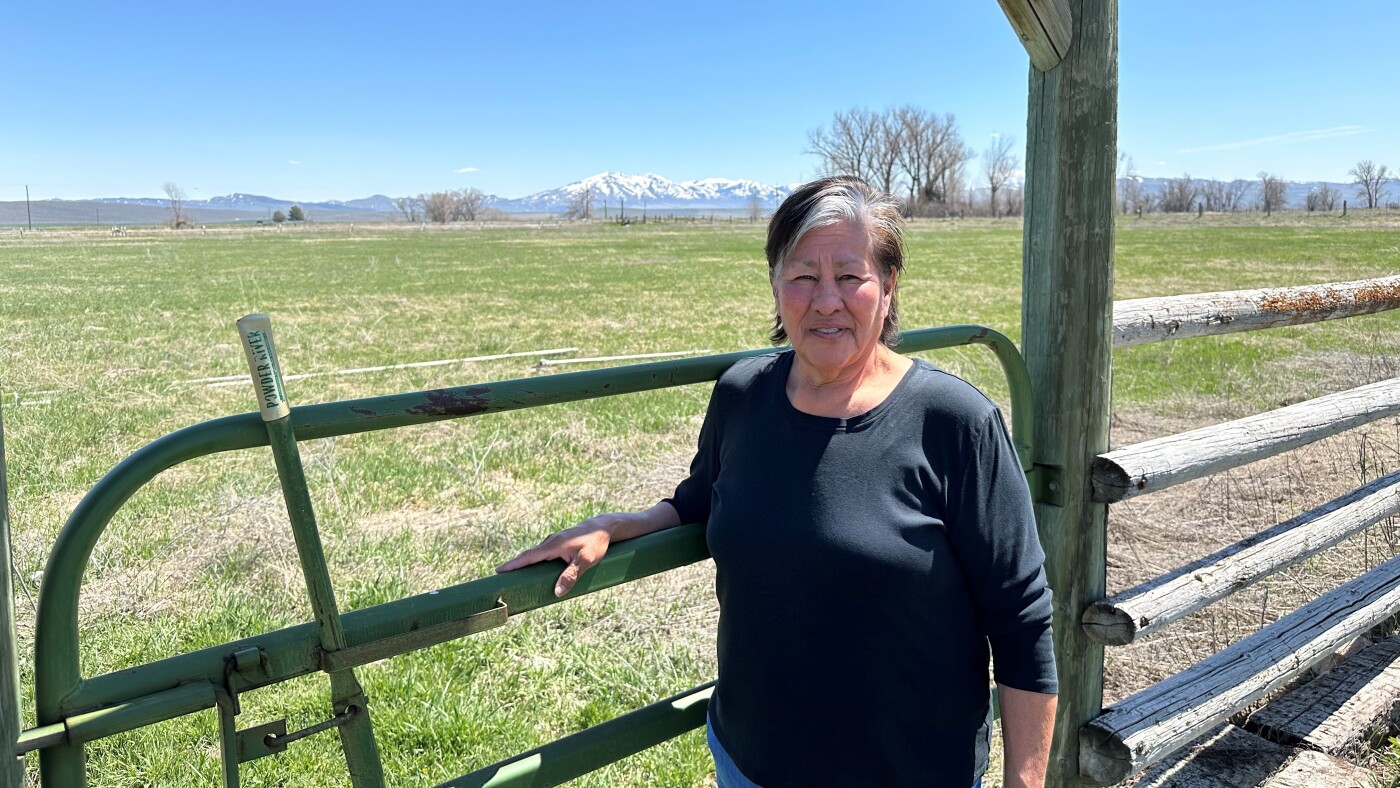
An American in rural Oregon shares her struggles with food insecurity and reliance on SNAP benefits amid political turmoil, highlighting the hardships faced by low-income families and the broader issues of systemic exploitation and neglect.
Trump administration policies, including tariffs and changes to clean vehicle tax credits, are causing economic uncertainty and investment delays in small American towns, especially in the Midwest, affecting local employment and community development.
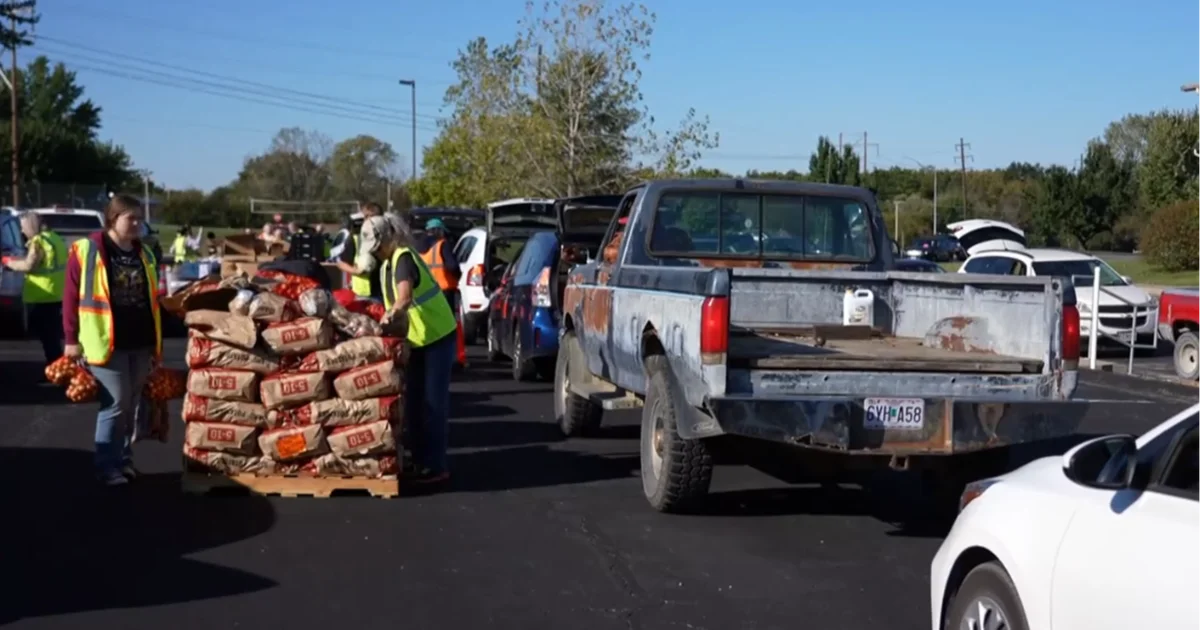
The article highlights the growing issue of food insecurity in rural America, exemplified by a mobile food bank in Clinton, Missouri, where rising inflation, cuts to government aid, and increased demand have led to more people struggling to access food, with many expressing frustration and calling for political unity to address the crisis.
U.S. soybean farmers are frustrated as Argentina receives economic support from the U.S. government and strengthens trade with China, leading to a decline in U.S. soybean exports and prices, with long-term impacts on rural communities and market share.
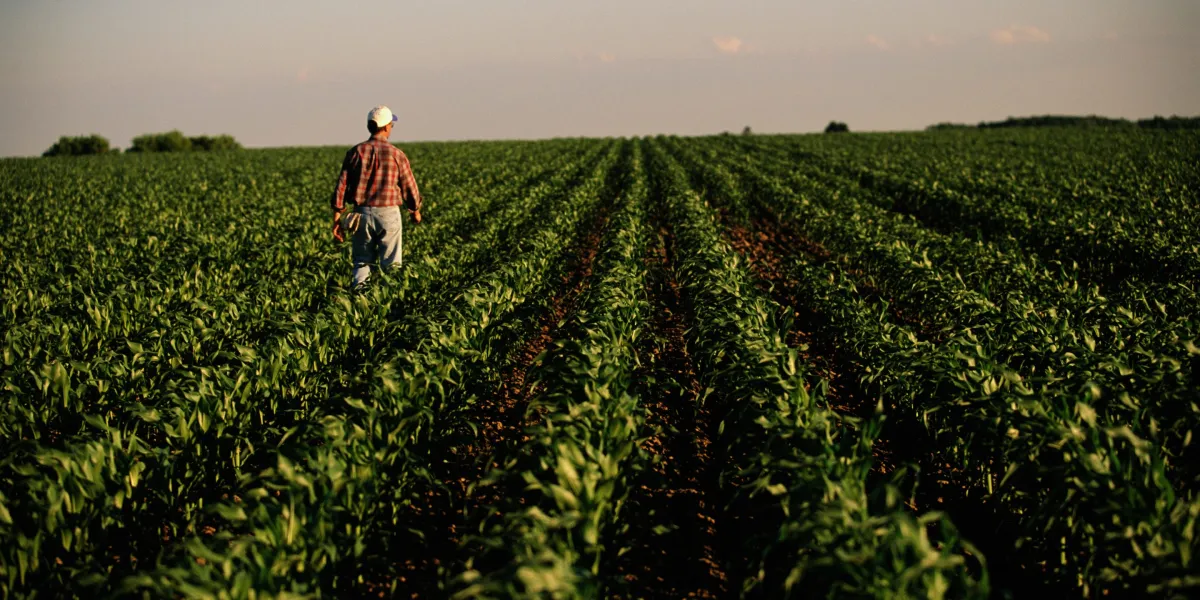
Rural America is facing an economic crisis due to plunging crop prices, high input costs, and ongoing trade disputes, especially with China, threatening the survival of U.S. soybean and corn farmers. Despite government aid and new trade agreements, farmers continue to suffer financially, with declining incomes and credit conditions.
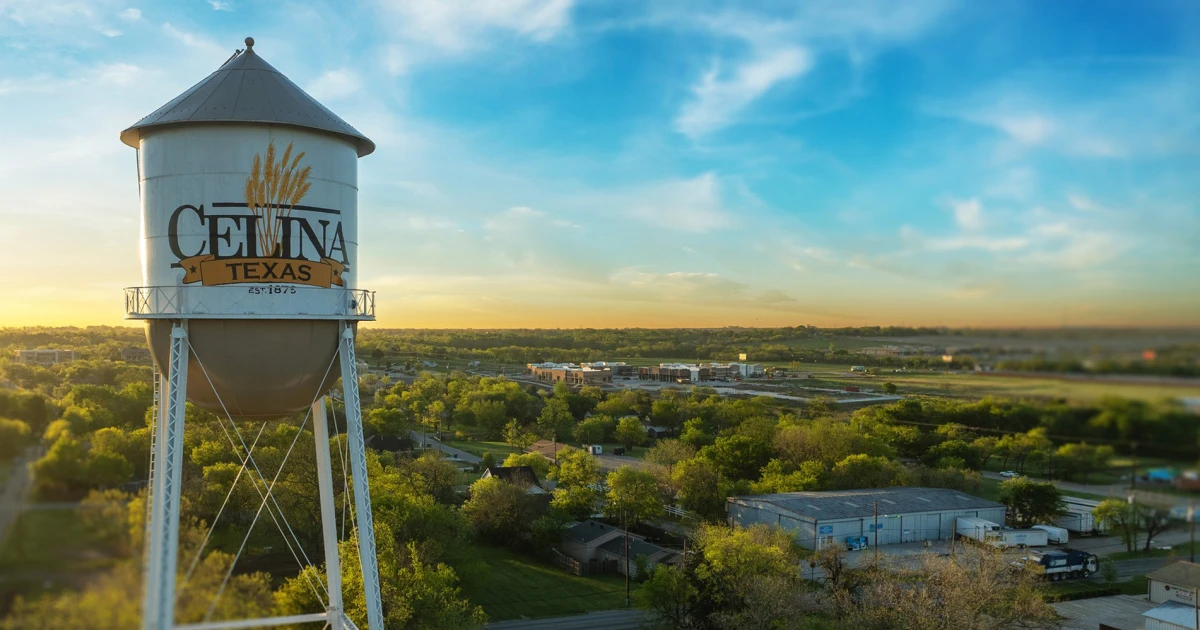
The affordable housing shortage is driving a housing boom in rural areas like Celina, Texas, transforming them into rapidly growing suburban communities. As home prices in urban centers rise, people are moving to rural areas where land is cheaper, leading to significant population growth and development. This shift is altering the traditional rural lifestyle, with farmland being replaced by housing developments and local businesses by big box retailers. While newcomers find affordable living, longtime residents face challenges such as loss of community, increased costs, and threats to agricultural livelihoods.
The Affordable Connectivity Program, which provided internet subsidies to low-income and rural households, including tribal areas, has run out of funds. This endangers telehealth services and internet access for many, with significant impacts on rural and tribal communities. Lawmakers are debating the program's future, while the Biden administration urges Congress to act and has secured low-cost plans from major internet providers to mitigate the impact.
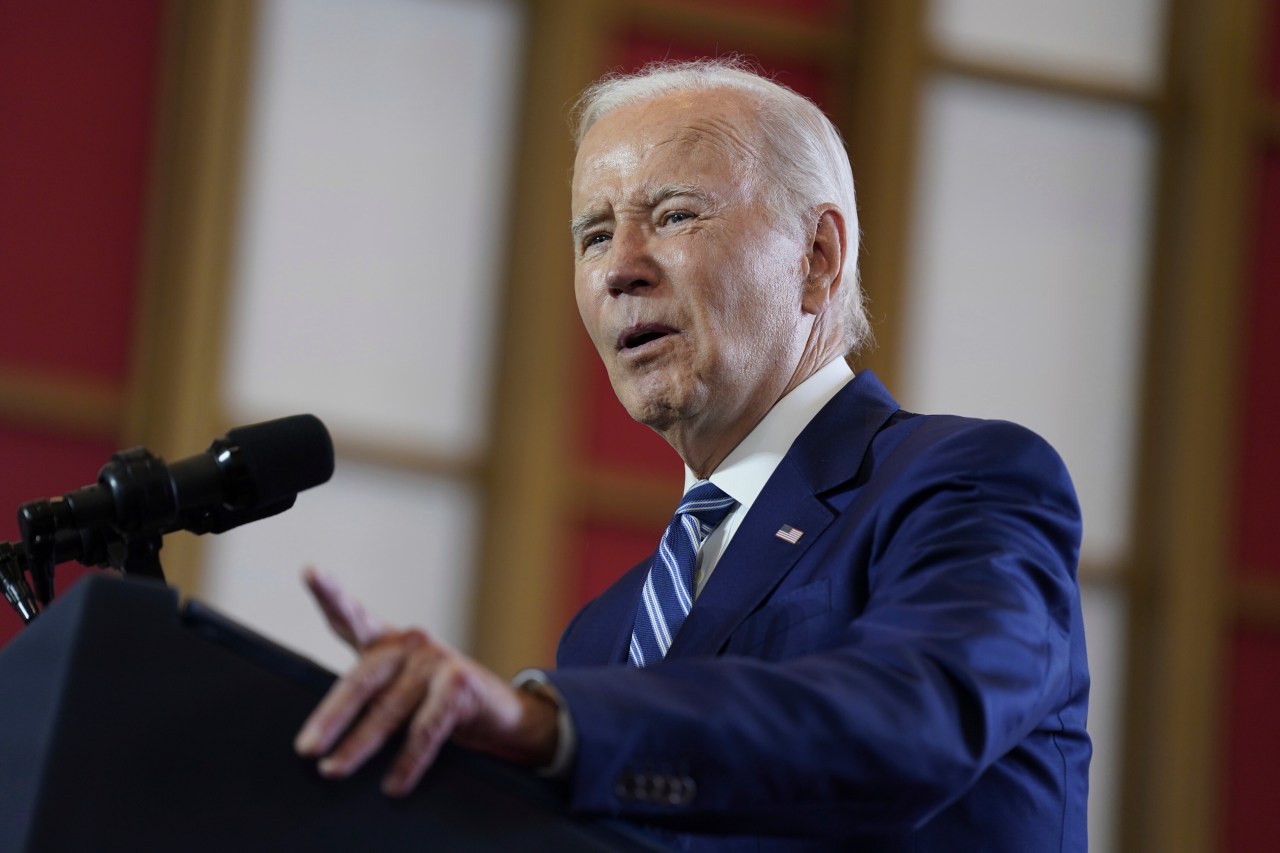
President Joe Biden is scheduled to visit Illinois next week, with specific travel details yet to be announced. During his visit, he is expected to promote his agenda and hold a fundraiser. Biden plans to highlight the positive impact of two laws on the economy by visiting rural areas. In a recent visit to Minnesota, the president announced over $5 billion in spending for rural areas, focusing on climate change adaptation, high-speed internet access, and local infrastructure improvements. Biden aims to create jobs in the US and boost American products' exportation while transforming rural communities and restoring pride in them.
President Joe Biden kicked off his rural America tour in Minnesota, where he highlighted the negative impact of consolidation in the meat processing and retail chains on U.S. farmers. During his visit to a family farm, Biden announced $5 billion in new investments benefiting rural Americans, including support for climate-smart agriculture practices, clean water infrastructure, and economic development projects. The tour aims to emphasize the administration's commitment to rural communities and garner support from rural voters, with stops planned in 15 states, including key battlegrounds. Biden's visit to Minnesota also comes amid criticism over his support for Israel's actions in Gaza, with protests planned by Muslim and Arab American leaders.