
Global DNA search solves 1998 Phoenix cold case, restoring identity to 'Box Mike'
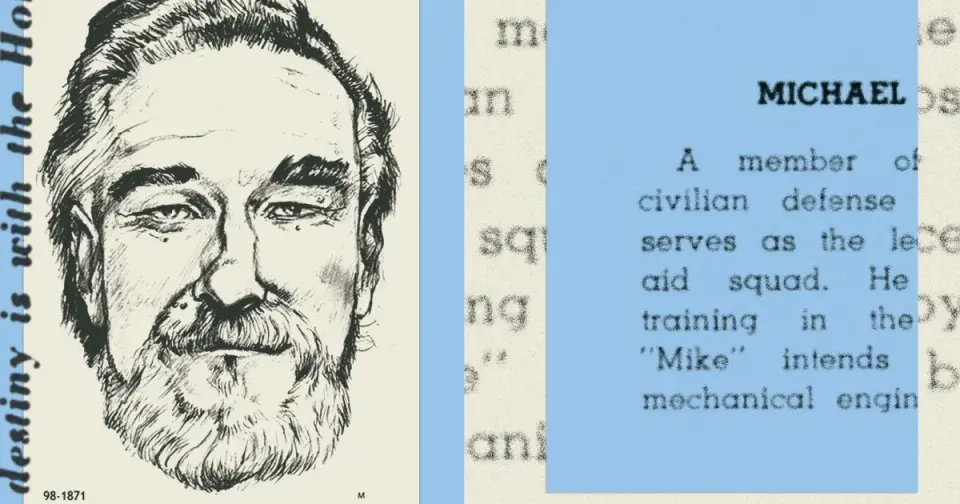
A 1998 homicide investigation in Phoenix, Arizona, has been resolved after decades thanks to a global DNA search. The victim, previously known only by the nickname 'Box Mike' due to his homelessness, has been identified through advanced forensic techniques. A detective involved in the case noted that the breakthrough allowed authorities to finally restore the man's true name after years of anonymity.
Key points
- The case involves a homicide that occurred in Phoenix in 1998, which remained unsolved for over two decades.
- The victim was a homeless man referred to by the nickname 'Box Mike' because his true identity was unknown to investigators at the time.
- A global DNA search was the key method used to identify the victim, linking the case to a specific individual.
- A police detective who investigated the original cold case stated that the identification process allowed them to give the victim his name back after many years.
- The resolution highlights the effectiveness of modern forensic tools in solving long-standing unsolved cases involving unidentified individuals.
Background
This development follows recent high-profile cases involving the exploitation of deceased individuals' identities, such as the 2026 charges against Lauderhill police officer Brian Sguros for impersonating Dennis West. While the Sguros case involved active fraud and seizure of property, the 'Box Mike' case represents a passive recovery of identity for a victim of violence, underscoring the ongoing importance of forensic identification in both criminal justice and civil rights contexts.
Why it matters
The resolution of this 1998 cold case demonstrates the enduring value of preserving evidence and the transformative impact of global DNA databases on solving historical crimes. It provides closure for the victim's family and the community, while also illustrating how advancements in forensic technology can address cases that were previously considered unsolvable due to the lack of identifying information.
What to watch
Investigators will likely proceed with charging the suspect or suspects identified through the DNA match, if any remain uncharged. Additionally, the case may serve as a precedent for using similar global search techniques in other cold cases involving unidentified victims, particularly those from the late 20th century.
Want the full story? Read the original reporting
Read on NBC News