
Isaias leaves four dead and 430,000 without power in Florida
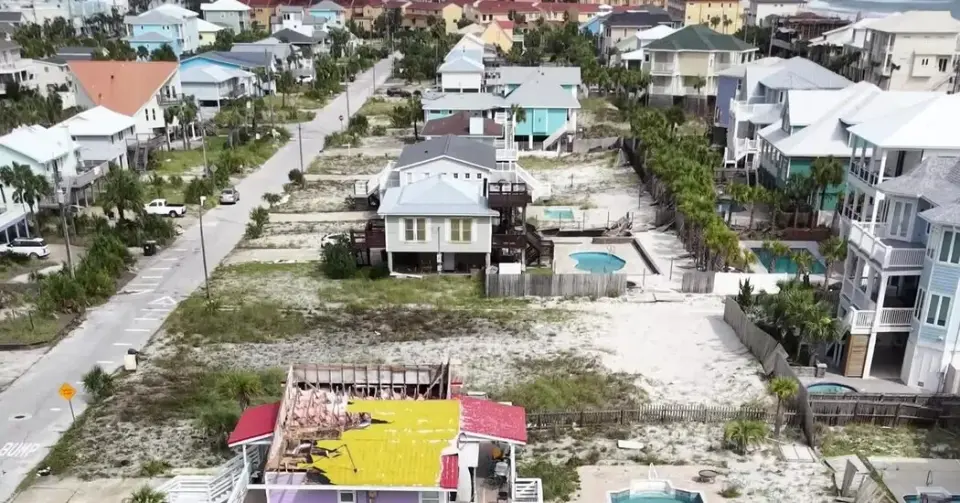
Hurricane Isaias struck the Florida Panhandle as a Category 2 storm, killing four people and leaving over 430,000 without power. The storm, the first Atlantic hurricane of the season, caused widespread damage from downed trees and flooding before weakening into a post-tropical cyclone.
Key points
- Isaias made landfall near Destin, Florida, at 9:30 p.m. on Friday as a Category 2 hurricane, having briefly reached Category 3 strength with winds up to 120 m.p.h. earlier.
- At least four people died in the storm's aftermath: two in Florida and two in Alabama. In Florida, one person died when a tree fell on their home, and another died from carbon monoxide poisoning after running a generator inside a garage.
- As of Saturday afternoon, more than 430,000 people in Florida remained without power, with 325,000 served by Florida Power & Light and the rest by cooperatives. Officials had resolved approximately 10,000 outages by 2 p.m.
- The storm is now a post-tropical cyclone moving northeast at 16 m.p.h. with winds of 25 m.p.h., located about 75 miles south of Nashville. It is expected to weaken further and be absorbed by another low-pressure system within 24 to 36 hours.
- Isaias was the first Atlantic hurricane of the 2026 season and the first to hit the U.S. mainland in two years, causing significant debris, flooded roads, and structural damage to homes.
Background
This event follows a period of significant weather activity in the U.S. In late September, Hurricane Nolo affected Hawaii, and Category 3 Hurricane Polo targeted Baja California. Earlier in October, Hurricane Polo's remnants caused historic flooding in Nebraska, particularly in Omaha and Lincoln. Isaias is the first hurricane to strike the U.S. mainland since 2024, marking a notable return of major Atlantic storm activity to the Gulf Coast.
How outlets are covering it
The New York Times provides a broad overview of the storm's impact, emphasizing its status as the season's first hurricane and the first mainland strike in two years, while highlighting the visual aftermath of debris and damage. WESH focuses on the immediate human toll and infrastructure response, detailing the specific causes of death in Florida (tree collapse and carbon monoxide) and the scale of the power outage, noting that 430,000 people were affected. WPEC's provided content was inaccessible due to a technical error, so no perspective from that outlet could be synthesized. All available sources agree on the four total deaths and the significant power outages, but differ in emphasis: The Times highlights the storm's historical significance, while WESH details the specific fatalities and utility response.
Why it matters
The storm underscores the vulnerability of the Gulf Coast to rapid-intensifying hurricanes and the critical importance of safe emergency practices, such as avoiding generator use indoors. The widespread power outages and fatalities highlight the ongoing challenges in disaster response and infrastructure resilience in the southeastern United States.
What to watch
Isaias is expected to continue moving northeast and weaken over the next 24 to 36 hours before being absorbed by another low-pressure system. Cleanup efforts in Florida and Alabama will continue, with a focus on clearing debris to restore power to the remaining outages. Residents in the path of the post-tropical cyclone should remain cautious of potential flooding and wind damage.
- Hurricane Isaias in Video and Pictures The New York Times
- Isaias brought flooding, dangerous winds and tornadoes to the Southeast The Weather Channel
- Impact of Isaias: Officials confirm 2 storm-related deaths in Florida, 430K without power WESH
- Inside Isaias: Saildrone documents the wild environment inside the deadly hurricane before violent landfall FOX Weather
- Deputies shoot, kill 79-year-old after he allegedly pulls gun during mental health call WPEC
Want the full story? Read the original reporting
Read on The New York Times