
Ohio’s statute of limitations blocks rape conviction, but federal lie charge lands 35-year-old case suspect
A 1989 Cincinnati rape case was solved via DNA and a discarded coffee cup, but Ohio’s statute of limitations barred prosecution for the assault. The suspect was instead convicted of lying to federal agents and sentenced to 15 years.
Key points
- Dana Beatty was assaulted in 1989; DNA evidence identified suspect Frederick Tanzer in 2024.
- Ohio’s statute of limitations expired in 1995, preventing charges for the sexual assault.
- Tanzer was arrested after lying to FBI agents about his involvement in the 1989 attack.
- He pleaded guilty to false statements and received a 15-year federal prison sentence in January 2026.
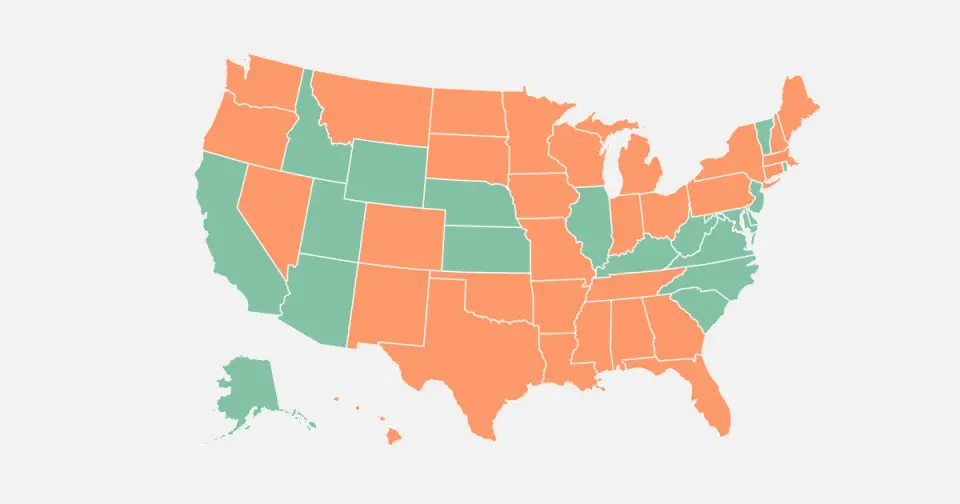
- NBC News analysis shows significant state-to-state variations in sexual assault statutes of limitations.
Background
This case highlights the legal barriers survivors face when statutes of limitations expire, a recurring issue in cold-case investigations. While homicide often lacks such time limits, sexual assault laws vary widely, sometimes preventing justice for decades-old crimes even when DNA evidence is conclusive.
How outlets are covering it
NBC News emphasizes the systemic inequity in state statutes of limitations, using Beatty’s case to illustrate how geography dictates legal outcomes. WLWT focuses on the investigative breakthrough, detailing how a daughter’s tip and a discarded Starbucks cup led to Tanzer’s identification, while noting the legal workaround via federal false-statement charges.
Why it matters
The case underscores the need for legislative reform to extend or eliminate statutes of limitations for violent sexual crimes, ensuring that DNA evidence can lead to justice regardless of the time elapsed since the offense.
What to watch
Advocates like Beatty are pushing for state and federal lawmakers to reconsider statutes of limitations, aiming to prevent similar legal barriers from blocking prosecution in future cold cases.
- Where you live matters when it comes to prosecuting rape suspects NBC News
- Police knew who her rapist was. The law kept them from prosecuting him for the attack. NBC News
- Daughter’s call, discarded coffee cup help identify man in 35-year-old Cincinnati rape case WLWT
- Frederick Louis Tanzer: Where is the Convict Now? IMDb
- Tonight’s ‘Dateline’ episode involves former Kansas doctor sentenced in 1989 rape KSN.com
Want the full story? Read the original reporting
Read on NBC News