A 1989 Cincinnati rape case was solved via DNA and a discarded coffee cup, but Ohio’s statute of limitations barred prosecution for the assault. The suspect was instead convicted of lying to federal agents and sentenced to 15 years.
Sharon Jacks, a 74-year-old Army veteran, filed a lawsuit against Selby General Hospital and its medical staff after surgeons amputated her left leg instead of her right during a cancer treatment procedure in September 2025. Jacks subsequently underwent the correct surgery on her right leg at a different facility, resulting in her becoming a double amputee. The lawsuit, filed in Washington County, alleges gross negligence and battery, claiming the surgical team failed to follow standard safety protocols despite multiple opportunities to identify the error. The hospital has acknowledged the incident as an avoidable event and removed the involved staff from their positions.
Kent Kubasta, a 72-year-old Ohio man, pleaded no contest to illegally tracking a Pokémon card delivery driver using a GPS device. He received 12 months of probation, a $500 fine, and mandatory electronic monitoring. The case highlights extreme measures taken by collectors to secure high-demand cards during the franchise's 30th anniversary.
Cleveland Mayor Justin Bibb expressed disappointment over Ohio's decision to allocate $600 million in public funds and change the Art Modell Law to facilitate the Browns' relocation to Brook Park, raising concerns about economic impact, legal challenges, and public opposition to using taxpayer money for stadiums.
Democrats plan to re-nominate President Joe Biden in a virtual roll call vote in early August, ahead of the party's national convention, to avoid potential legal issues in Ohio. Despite internal protests and concerns about Biden's performance, the decision aims to ensure ballot access and avoid litigation.
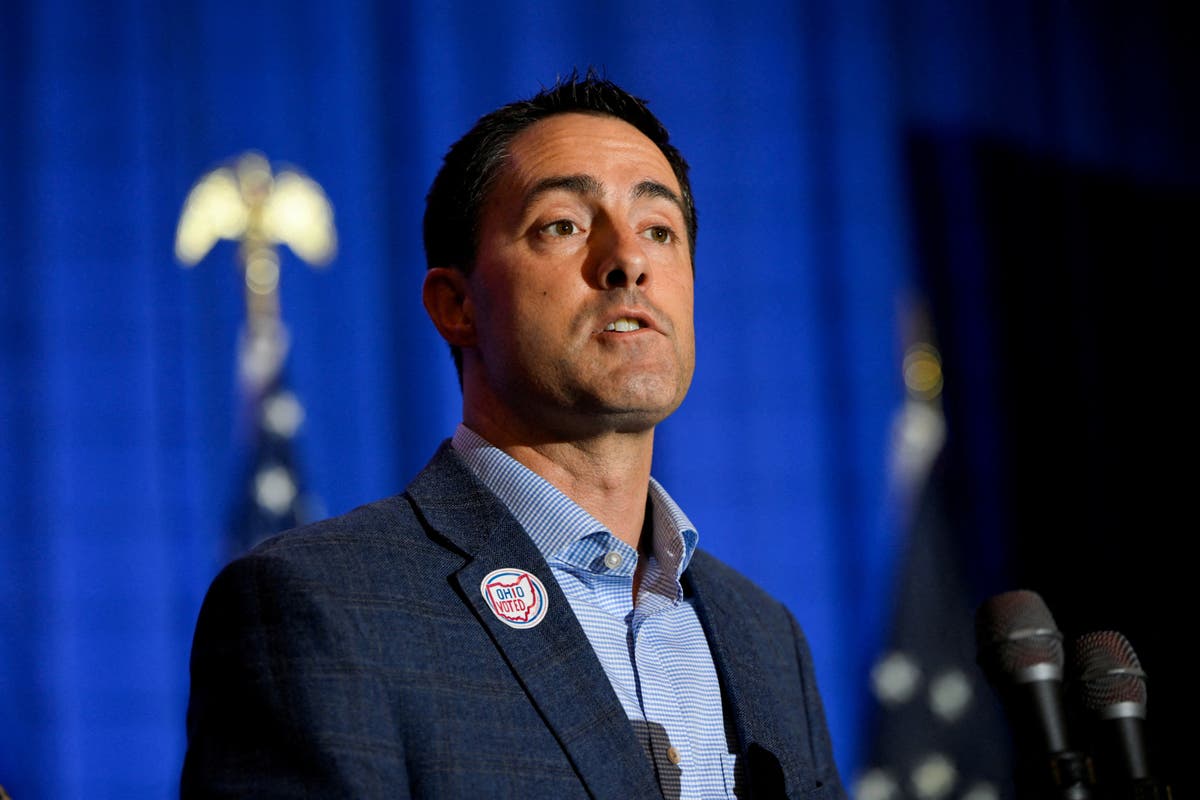
Ohio's top election official, Secretary of State Frank LaRose, has warned that President Joe Biden might not be able to appear on the state's ballot in November due to a conflict between the Democratic National Convention's timing and Ohio law, which requires presidential candidates to be nominated by 7 August, 90 days before the general election. Without action by Ohio's legislature to waive the deadline, it will have already passed by the time Democrats convene for the official nominating convention on 19 August.
A man who lost his job and home after using his 401(k) investments to support his family during financial difficulties is wondering if he has a claim to his wife's $200,000 inheritance. In Ohio, where they reside, marital assets are divided fairly but not necessarily equally. Inheritance is considered separate property unless it is commingled with marital assets. The man would likely have had to give up 50% of his property in a divorce, assuming it was purchased during the marriage. It is advised not to use inheritance money for regular spending and to keep it separate to prove its separate nature. The man may also need to consider alimony payments and other legal costs in the divorce.