
Seattle parents sue Oregon hospital over alleged demand to drive dead infant home
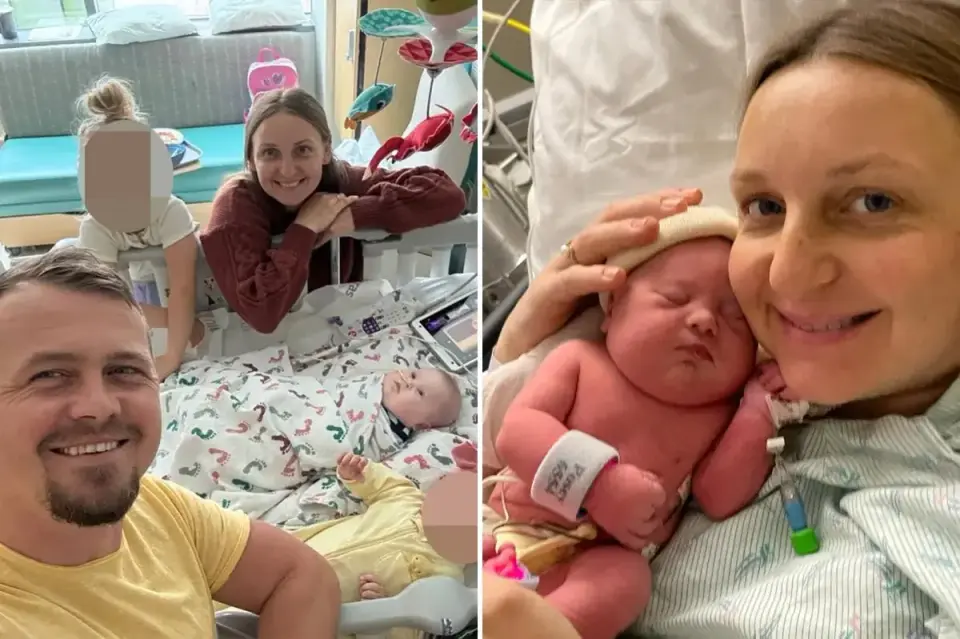
Aleksandr and Nataliya Yeremeyev have filed a $10 million lawsuit against Salem Health and Dr. Stefani Sorensen, alleging that hospital staff forced them to transport their deceased 9-month-old son, Michael, from Salem, Oregon, to Seattle in their personal vehicle. The complaint claims that after Michael died in the emergency room in September 2024, staff dismissed the option of using a funeral home as too expensive and pressured the parents to drive the body home themselves. The father reportedly drove four hours with the child in the backseat, while the family seeks damages for emotional distress and alleged negligence in handling the remains.
Key points
- Aleksandr and Nataliya Yeremeyev filed a $10 million lawsuit against Salem Health and Dr. Stefani Sorensen.
- The suit alleges that hospital staff pressured the parents to transport their dead son, Michael, from Salem, Oregon, to Seattle in their private car.
- Michael, who was nearly 9 months old and had Down syndrome, died in the Salem Health emergency room on September 22, 2024.
- The complaint claims staff rejected the use of a local funeral home as too expensive, leaving the family with no other option but to drive the body home.
- The father drove approximately four hours with the child in the backseat, while the mother and other children followed in a separate vehicle.
- The lawsuit seeks $10 million in non-economic damages for severe emotional distress and psychological trauma, with plans to add punitive damages.
Background
This case highlights ongoing concerns regarding the handling of deceased patients and the emotional support provided to grieving families in emergency medical settings. While the Yeremeyev family’s lawsuit focuses on the specific incident in Salem, Oregon, it touches on broader issues of medical negligence and the duty of care owed to bereaved parents. The incident occurred during a religious retreat, adding a layer of cultural and personal significance to the family’s experience. The lawsuit also underscores the legal complexities surrounding the transport of deceased individuals across state lines, as both Oregon and Washington allow such transport with proper permits, but the family argues they were not offered appropriate guidance or assistance.
Why it matters
This lawsuit raises critical questions about the standard of care and emotional support provided to families in the aftermath of a child’s death. It highlights the potential for hospitals to fail in their duty to guide grieving parents through the process of transporting remains, potentially compounding their trauma. The case may set a precedent for how hospitals handle similar situations in the future, emphasizing the need for clear protocols and compassionate support for bereaved families. Additionally, it brings attention to the legal and ethical responsibilities of medical institutions in ensuring that the dignity of the deceased and the emotional well-being of their families are prioritized.
What to watch
The Yeremeyev family plans to amend their complaint to include punitive damages, potentially increasing the financial stakes of the lawsuit. Salem Health has declined to comment on the specifics of the case due to ongoing litigation, but the hospital’s statement suggests it believes it acted in accordance with policy and law. The case will likely proceed through the legal system, with the outcome potentially influencing hospital policies and practices regarding the handling of deceased patients and the support provided to grieving families. The family’s attorney, Anna Bruckenhoefer, has emphasized the need for hospitals to have clear protocols in place to assist families during such difficult times, and the case may serve as a catalyst for broader discussions about medical ethics and patient care.
Want the full story? Read the original reporting
Read on New York Post