
SNAP Enrollment Drops by 4.5 Million as New Rules Take Effect
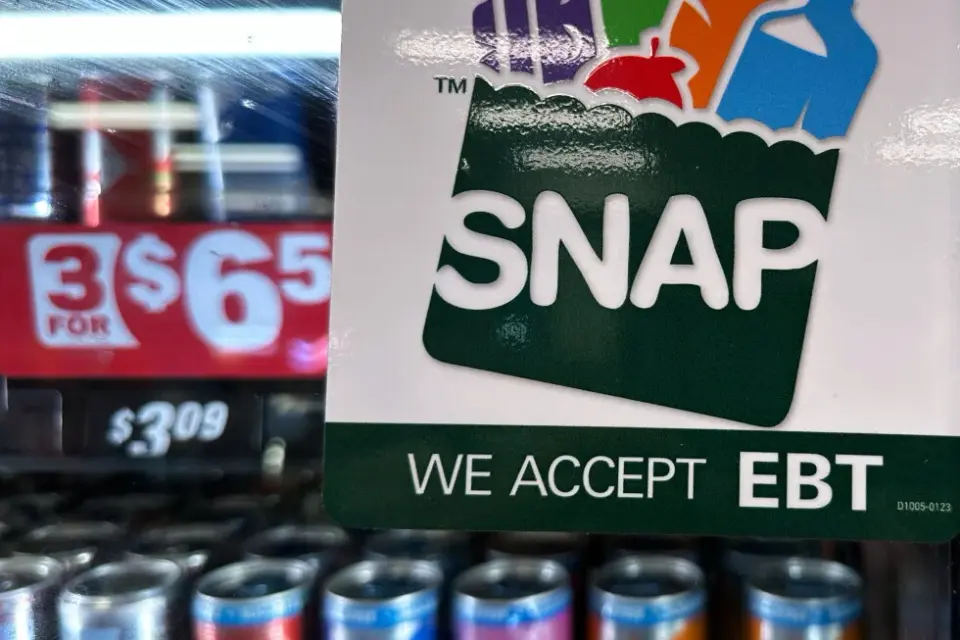
SNAP enrollment has fallen by more than 4.5 million people since July 2025, following the passage of the One Big Beautiful Bill Act. The legislation, signed into law on July 4, 2025, is projected to cut $186 billion from the program through 2034. New work requirements mandate that able-bodied adults without dependents work at least 80 hours monthly or participate in training to remain eligible. Local nonprofits report rising demand for food assistance, while critics argue the cuts are causing child hunger.
Key points
- SNAP participation dropped by over 4.5 million people between July 2025 and April 2026, according to reports cited by News4JAX.
- The One Big Beautiful Bill Act, signed July 4, 2025, is projected to reduce SNAP spending by at least $186 billion through 2034.
- New rules require able-bodied adults aged 18 to 64 without dependents to work 80 hours per month or engage in training to keep benefits.
- Exemptions for veterans, unhoused individuals, and those aging out of foster care have been removed, according to News4JAX.
- NBC News reports that more than 1 million fewer children are receiving food stamps, citing personal accounts of hunger in Texas, Delaware, and New Jersey.
- Catholic Charities Jacksonville reported a 15% increase in people seeking food assistance, prompting partnerships with local food banks.
Background
This development follows a contentious legislative period in 2026. In August, Democrats on the Senate Agriculture Committee blocked a GOP-led farm bill in a 10–11 vote, halting reauthorization of the 2018 SNAP framework. The current drop in enrollment reflects the implementation of the One Big Beautiful Bill Act, which passed earlier in the year. Previous coverage noted that the bill included the largest reduction to SNAP in the program's history, leading to immediate scrutiny of eligibility rules and administrative hurdles for applicants.
How outlets are covering it
AP News and NBC News emphasize the human impact of the cuts, with NBC highlighting that over 1 million children have lost benefits and detailing specific cases of family hunger. News4JAX focuses on the logistical strain on local nonprofits, noting a 15% rise in demand for food in Jacksonville and the removal of exemptions for vulnerable groups. In contrast, the Las Vegas Review-Journal offers a commentary piece arguing against mourning the falling enrollment numbers, suggesting a different view on the necessity of the cuts. While AP and NBC frame the decline as a crisis, the Review-Journal frames it as a potential positive or neutral outcome, highlighting a sharp divide in media interpretation of the policy's effects.
Why it matters
The sharp decline in SNAP enrollment signals a significant shift in federal food assistance policy, directly affecting millions of households. The removal of exemptions and stricter work requirements may leave vulnerable populations, including veterans and the unhoused, without support. As local nonprofits struggle to meet rising demand, the strain on community resources could exacerbate food insecurity. The debate over these cuts, as seen in the contrasting media perspectives, reflects broader national disagreements on the role of government aid and the definition of eligibility for public assistance.
What to watch
The full impact of the $186 billion cut through 2034 will likely be assessed in subsequent enrollment data. Local nonprofits may continue to expand partnerships with food banks to cope with increased demand. Legislative battles over SNAP reauthorization may resume, as the August Senate deadlock suggests ongoing partisan conflict. The removal of exemptions for specific groups could lead to further legal challenges or advocacy efforts from organizations representing veterans and the unhoused. Monitoring of child hunger indicators will be critical as the effects of the cuts deepen.
- Enrollment in SNAP grocery aid is dropping faster than expected AP News
- ‘Mom, are we OK?’ Children worry their families can’t afford food after Trump’s SNAP cuts NBC News
- As federal food assistance shrinks, Jacksonville families are turning to local nonprofits for help News4JAX
- While Trump Cuts Food Aid, ICE Sits on $100 Billion Jacobin
- COMMENTARY: Don’t mourn the nation’s falling food-stamp rolls Las Vegas Review-Journal
Want the full story? Read the original reporting
Read on AP News