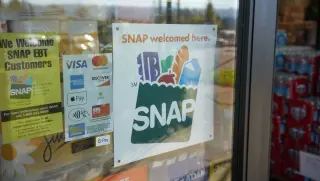
SNAP Benefits Rise Slightly as Federal Cost Shifts to States Take Effect
Starting October 1, 2026, maximum monthly SNAP benefits increase slightly for inflation, while states assume a larger share of administrative costs under new federal law.

All articles tagged with #food assistance
Starting October 1, 2026, maximum monthly SNAP benefits increase slightly for inflation, while states assume a larger share of administrative costs under new federal law.
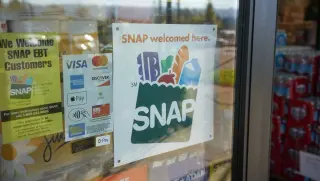
Effective October 1, 2026, maximum monthly SNAP benefits increase slightly to offset inflation, while states assume a larger share of administrative costs. New federal rules also tighten eligibility verification, potentially reducing overall enrollment.
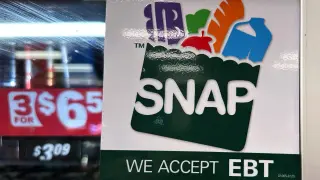
SNAP has already shrunk by millions since the GOP-backed H.R. 1 changes, which raise work requirements and set states to cover 75% of SNAP administrative costs starting Oct. 1, with benefit costs later tied to error rates (5%–15%). The shift could force cuts to other programs by 2027 and is sparking concern from food banks and state aid groups, who say states need more time to improve payment accuracy. Arizona and New Mexico have seen sizable drops in participation and longer food-bank lines, while Arkansas and Louisiana warn of heavy financial strain. The White House hasn’t commented, and lawmakers are debating delaying the cost shift; a Senate farm-bill proposal to push back the changes exists but hasn’t advanced.
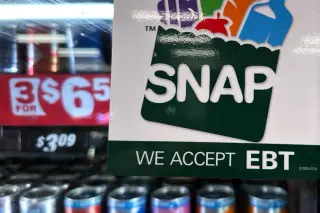
Enrollment in SNAP grocery aid is dropping more quickly than the Congressional Budget Office projected as the new requirements—adding work, volunteering, or school mandates for most previously exempt adults—roll out nationwide. The changes have driven declines across states (Arizona the steepest so far), with further pressure anticipated as states start cost-sharing in 2027. Advocates warn that stricter verification and documentation hurdles could push more people off benefits, affecting children’s school meals and increasing demand at food banks even as some states try to streamline access.
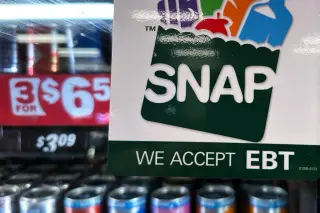
A federal judge ruled that SNAP benefits may be used to purchase candy and sugary drinks, preserving the program’s broad eligibility and fueling ongoing policy debates over funding and administration.
A federal judge struck down state SNAP pilot programs intended to limit purchases of junk foods like soda and candy, ruling the Agriculture Department misapplied federal law. The decision affects Colorado, Iowa, Nebraska, Tennessee, and West Virginia and threatens MAHA’s Make America Healthy Again health-push by undermining caps on what SNAP funds can buy.
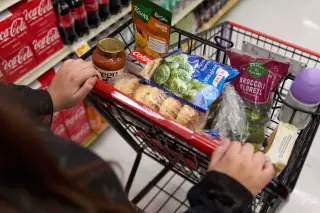
A U.S. judge blocked the Trump administration’s plan to impose new conditions on SNAP benefits, delaying work- and reporting-related requirements and keeping current benefits intact while the litigation proceeds, a decision that affects recipients such as Jaqueline Benitez in California.
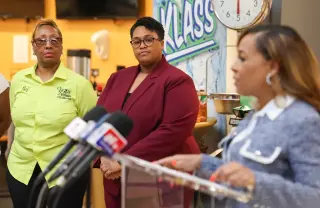
Up to 120,000 Illinois residents could lose SNAP benefits starting May 1 due to new federal work requirements for able-bodied adults 18–64 without dependent children, who must work, volunteer, or participate in approved programs for at least 80 hours per month. If they don’t meet the rule, SNAP benefits can be limited to three months in a three-year period. Thousands of immigrants are affected; exemptions exist for some. IDHS says those who can meet the 80 hours in May should reapply to restore benefits in June, and food pantries expect higher demand as lines grow.
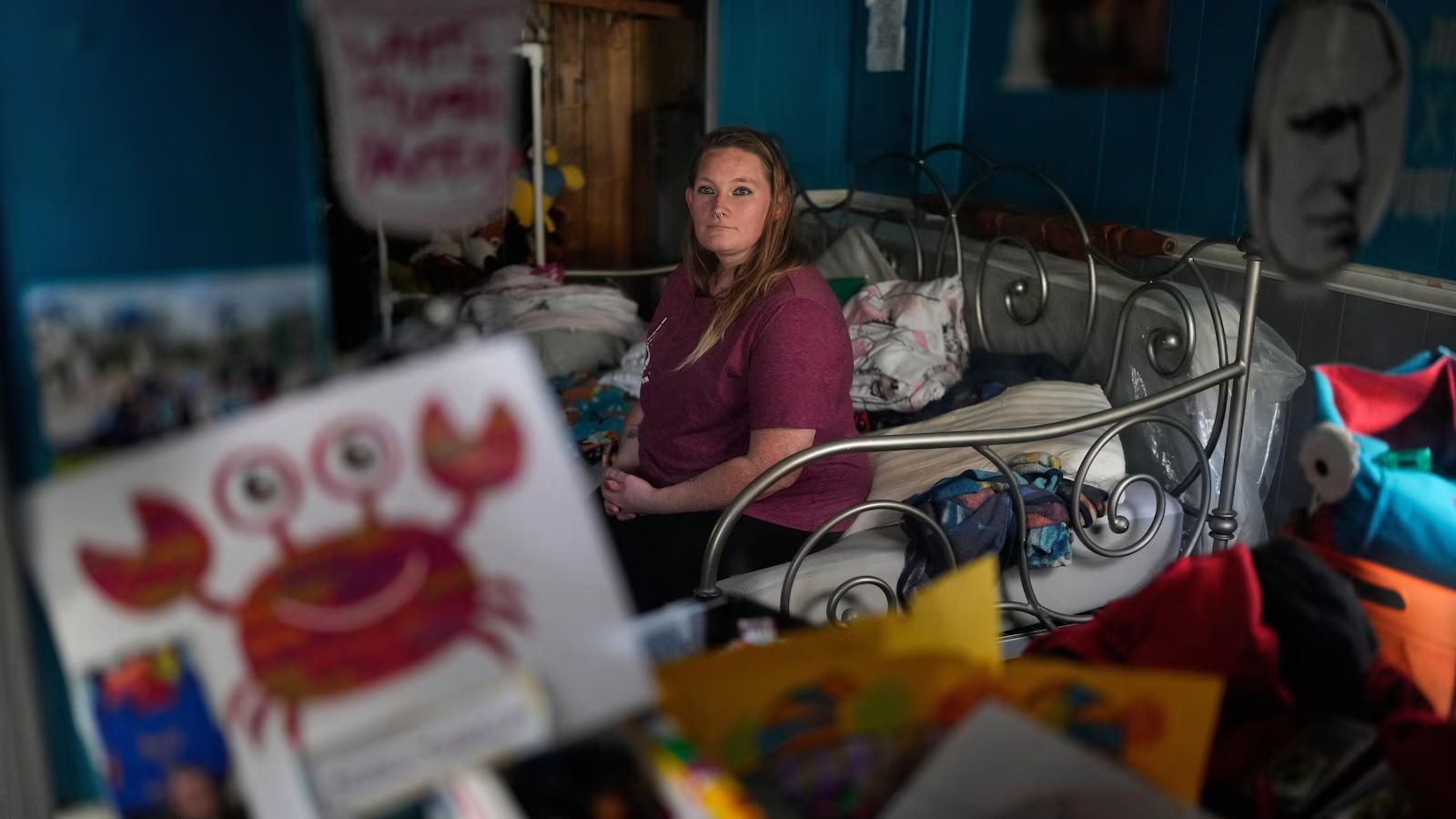
During a government shutdown that paused SNAP benefits, a rapid response by GiveDirectly and Propel provided $50 cash transfers to nearly a quarter of a million families, helping them manage immediate food needs and restore confidence in safety nets amid widespread uncertainty.
RFK Jr. advocates for banning junk food in states, but there is confusion and logistical challenges in defining what foods are banned under SNAP, leading to concerns among retailers and beneficiaries about enforcement and fairness. States like Utah, Indiana, and others are implementing bans with limited guidance, causing operational difficulties and uncertainty about compliance.
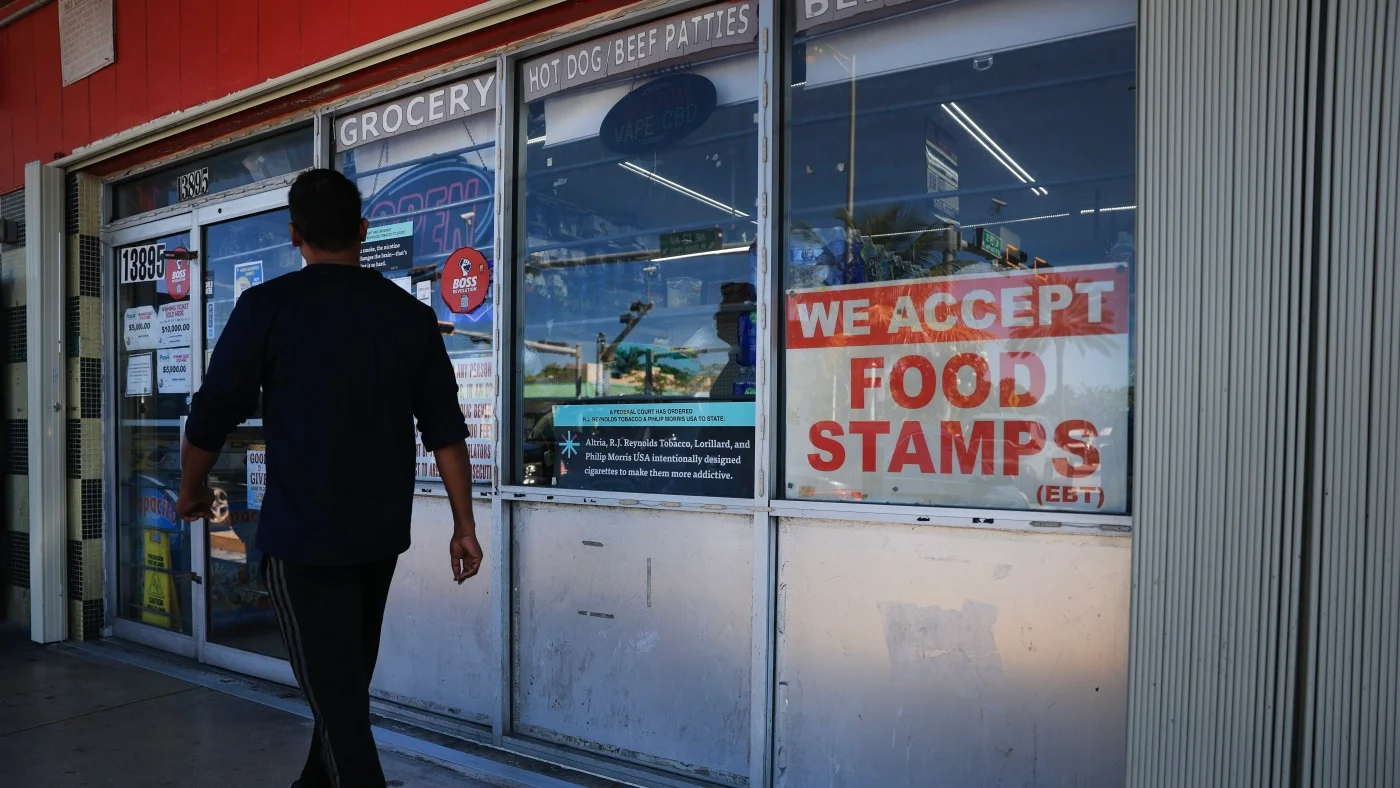
The USDA, led by Agriculture Secretary Brooke Rollins, plans significant reforms to the SNAP program, citing alleged fraud and misuse, amid ongoing debates over benefit eligibility and recent deep cuts. Critics argue the claims of widespread fraud are overstated and that the proposed changes could harm vulnerable populations, with some uncertainty about the specifics of the new policies and data supporting the claims. The administration is also considering narrowing eligibility rules, which could result in millions losing benefits.
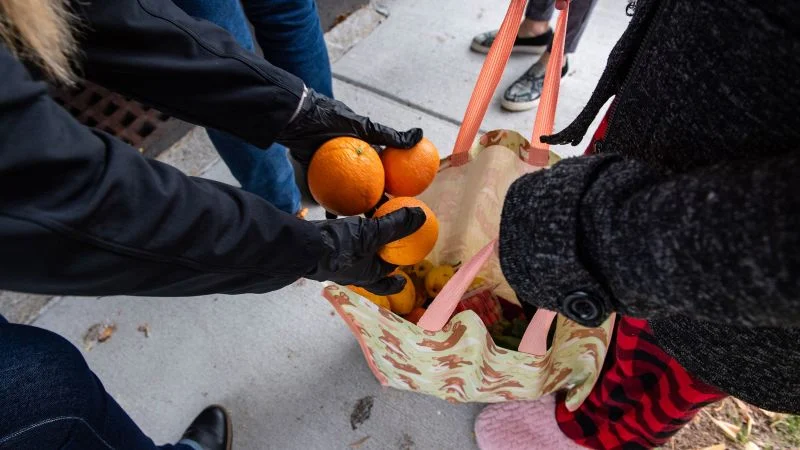
SNAP benefits are being distributed again, but new work requirements mandated by recent legislation are causing confusion and implementation challenges across states, risking the loss of benefits for millions of enrollees, especially those who are unaware of or unable to meet the new criteria.
The Trump administration plans to pay full SNAP benefits within 24 hours of the shutdown ending, after disruptions that affected 42 million people, with partial benefits already issued during the shutdown and full payments expected once the government reopens.
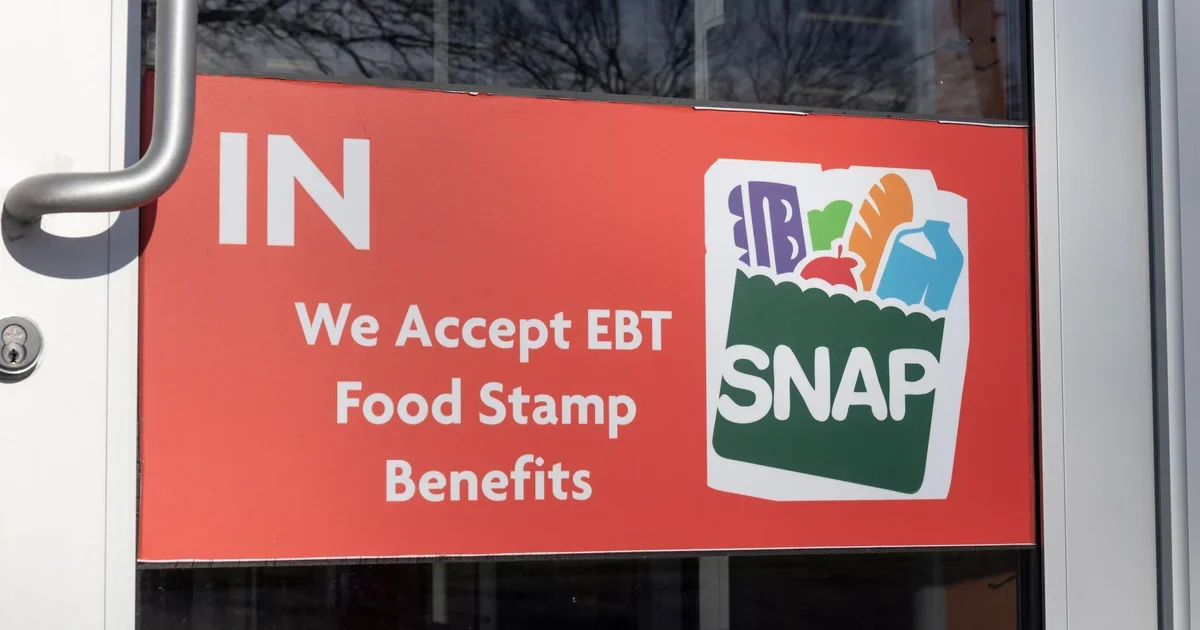
SNAP benefits are expected to resume quickly after the end of the government shutdown, with most states able to distribute benefits within 24 hours, although the timeline may vary by state due to administrative processes. The shutdown caused delays and partial payments for millions of Americans relying on food assistance, but the new legislation will restore full benefits for November and reimburse states for their expenses.
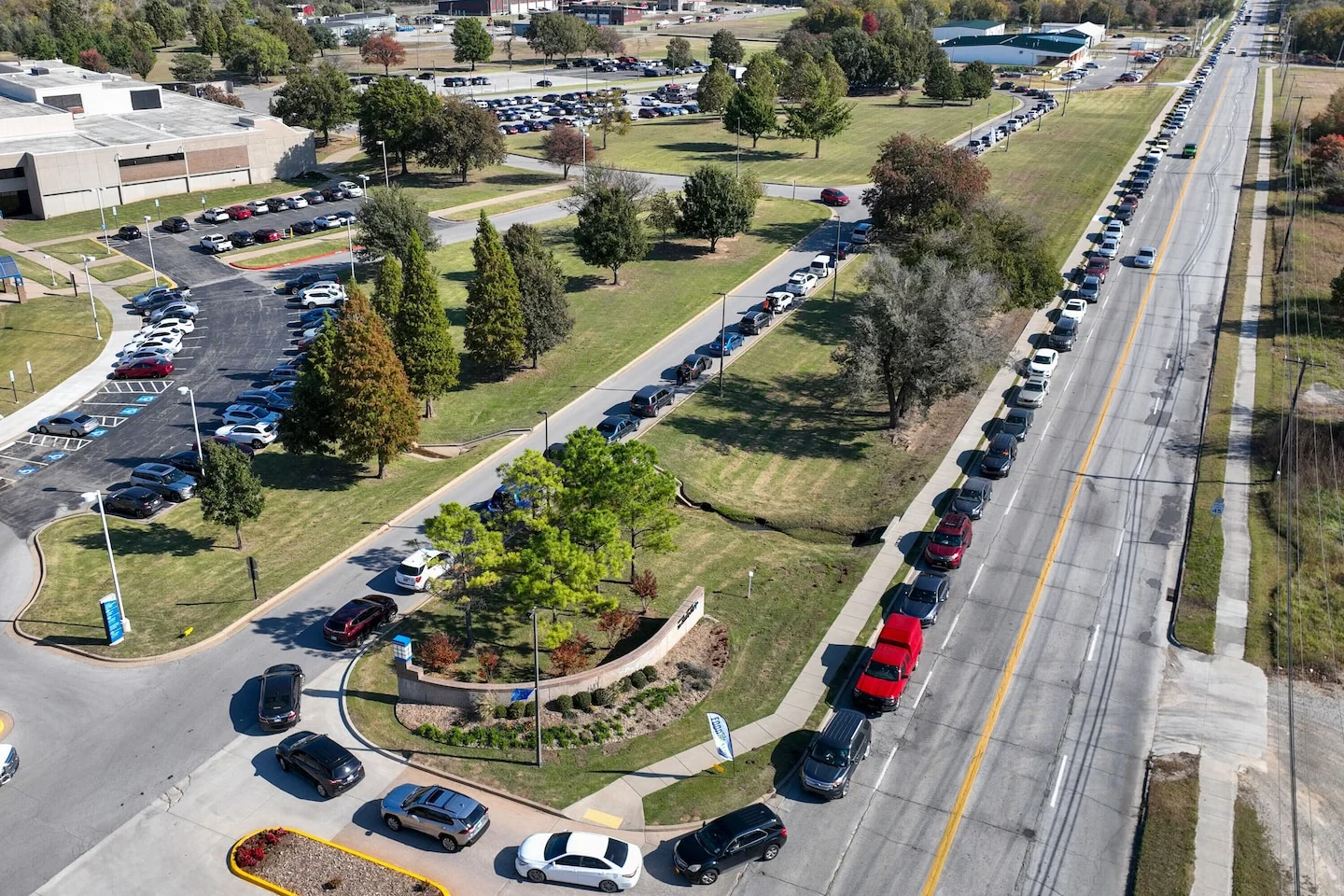
The U.S. Supreme Court temporarily paused a lower court order requiring the Trump administration to fully fund SNAP benefits during the government shutdown, with the decision possibly rendered moot if a congressional deal to end the shutdown is reached soon.