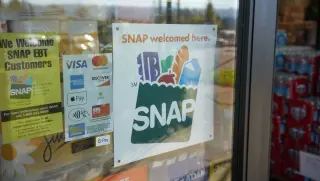
SNAP Benefits Rise Slightly as Federal Cost Shifts to States Take Effect
Starting October 1, 2026, maximum monthly SNAP benefits increase slightly for inflation, while states assume a larger share of administrative costs under new federal law.

All articles tagged with #snap
Starting October 1, 2026, maximum monthly SNAP benefits increase slightly for inflation, while states assume a larger share of administrative costs under new federal law.
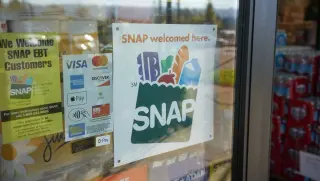
Effective October 1, 2026, maximum monthly SNAP benefits increase slightly to offset inflation, while states assume a larger share of administrative costs. New federal rules also tighten eligibility verification, potentially reducing overall enrollment.
Effective October 1, 2026, new federal regulations from the One Big Beautiful Bill Act impose significant financial burdens on North Carolina counties for SNAP administration and restrict Medicaid eligibility for certain noncitizens. While children under 19 and recently pregnant lawful residents remain eligible, the changes are expected to increase administrative costs by $52 million this fiscal year and $69 million annually starting in 2027.
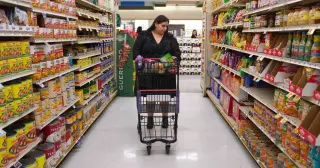
The Supplemental Nutrition Assistance Program (SNAP) has seen a sharp decline in enrollment following the enactment of the 'One Big Beautiful Bill Act' (OBBBA) in July 2025. Approximately 5.2 million Americans have lost benefits, with enrollment reaching its lowest level since 2019. The OBBBA extended work requirements for recipients aged 18 to 64, requiring 80 hours of work or volunteering per month, and shifted 75% of administrative costs to states starting October 1, 2026. While the White House frames these changes as necessary to combat fraud and ensure sustainability, advocates and recipients describe the impact as punitive, citing rising food costs and job market struggles. Arizona has seen a 53% drop in enrollment, and states like Alabama face potential financial penalties that could lead to program withdrawal.

Snap’s $2,200 Specs are pitched as a standalone AR computer built into glasses, not just smart-glasses, with the company spinning out Specs to raise investment and fund production. The ambitious device aims to deliver an independent Snap ecosystem and a true AR experience, but faces high costs, ambitious expectations, and stiff competition from Meta’s Orion, RayNeo, and Google’s Aura, making its adoption a high-stakes gamble on consumer readiness for premium AR wearables.

Snap has opened pre-orders for its standalone AR Specs glasses at $2,195, with no phone needed. They offer a 51-degree see-through display (claims to resemble a 115" screen from 10 ft), dual Snapdragon processors, voice/gesture controls, open-ear speakers, six microphones, Bluetooth/Wi‑Fi, and prescription readiness. A Verizon-exclusive cellular version (with a case) costs $2,395, and data plans start at $10/month for existing Verizon customers or $20/month for others. The Wi‑Fi-only version is slated to ship this fall, while the cellular version's timing remains unclear.

Senate Republicans used Mitch McConnell’s return to push the farm bill out of the Agriculture Committee 12-11 along party lines, sending it to the full Senate. The bill, which sets national policy on agriculture and nutrition, faces stiff Democratic opposition over proposed changes to SNAP, and will require 60 votes to advance. Though the committee vote progresses, Democrats demand SNAP-related concessions, and the broader path remains uncertain as funding for many programs extends beyond September.

Snap aims a major enterprise push for its $2k Specs AR glasses by partnering with Nvidia, AWS and Salesforce to leverage XR AI platforms, while also launching Specs Intelligence—a cross‑device AI service with a free tier and paid options. Spiegel stresses that Specs is a computer-first platform, not just a pair of glasses, and regulatory coordination on safety is needed as the tech ecosystem evolves.
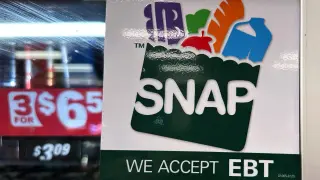
SNAP has already shrunk by millions since the GOP-backed H.R. 1 changes, which raise work requirements and set states to cover 75% of SNAP administrative costs starting Oct. 1, with benefit costs later tied to error rates (5%–15%). The shift could force cuts to other programs by 2027 and is sparking concern from food banks and state aid groups, who say states need more time to improve payment accuracy. Arizona and New Mexico have seen sizable drops in participation and longer food-bank lines, while Arkansas and Louisiana warn of heavy financial strain. The White House hasn’t commented, and lawmakers are debating delaying the cost shift; a Senate farm-bill proposal to push back the changes exists but hasn’t advanced.

The GOP’s signature tax bill combines broad cuts that mostly benefit higher earners (averaging about $2,300 per filer, with refunds up ~ $350) with substantial cuts to SNAP and Medicaid work requirements. It finances this with a large defense/homeland spending boost and tariff costs. The CBO projects deficits rising by about $3.4 trillion this decade as revenues fall roughly $4.5 trillion, offset by about $1.1 trillion in spending cuts, while millions could lose food aid or health coverage under Medicaid changes. Supporters argue it trims waste and incentivizes work; critics say it shifts resources from the poor to the wealthy and fuels higher debt.
Enrollment in SNAP grocery aid is dropping more quickly than the Congressional Budget Office projected as the new requirements—adding work, volunteering, or school mandates for most previously exempt adults—roll out nationwide. The changes have driven declines across states (Arizona the steepest so far), with further pressure anticipated as states start cost-sharing in 2027. Advocates warn that stricter verification and documentation hurdles could push more people off benefits, affecting children’s school meals and increasing demand at food banks even as some states try to streamline access.

NBC News reports that Trump-era cuts to SNAP spending were followed by the loss of benefits for more than 1 million children, with families nationwide citing hunger and grocery shortages; the piece uses personal stories from New Jersey, Delaware, and Texas to illustrate how policy changes are affecting low-income households, and is part of NBC’s Unaffordable America series on economic inequality.
Democrats on the Senate Agriculture Committee blocked the GOP-led farm bill in a 10–11 vote, underscoring a deep partisan clash over SNAP nutrition aid and stalling reauthorization of the 2018 framework; Boozman recessed the panel after the vote, with Republicans offering a one-year SNAP delay while Democrats demand two years, signaling no clear path forward for the bill during the August recess.

Snap posted a Q2 2026 beat with revenue of $1.6B and adjusted earnings of $250M, narrowing losses to 10 cents per share on a GAAP basis. Global DAU rose to 493M with ARPU of $3.25, and management raised full-year AI/infrastructure costs guidance by $50M to $1.65–$1.70B. For Q3, Snap guided $1.7–$1.74B in revenue and $300–$350M in adjusted earnings, aided by stronger ad demand and World Cup spend, while preparing to ship its AR Specs glasses later this year.

Snap will host a September 16 event in Los Angeles to reveal its standalone AR Specs—priced at $2,195—with two sizes, up to four hours of mixed-use battery, a built-in browser, and AI assistance via OpenAI and Google, plus hundreds of AR lenses and planned US/UK/France shipping this fall.