
SNAP Cuts Leave 1 Million Fewer Children Fed, Fueling Hunger Crisis
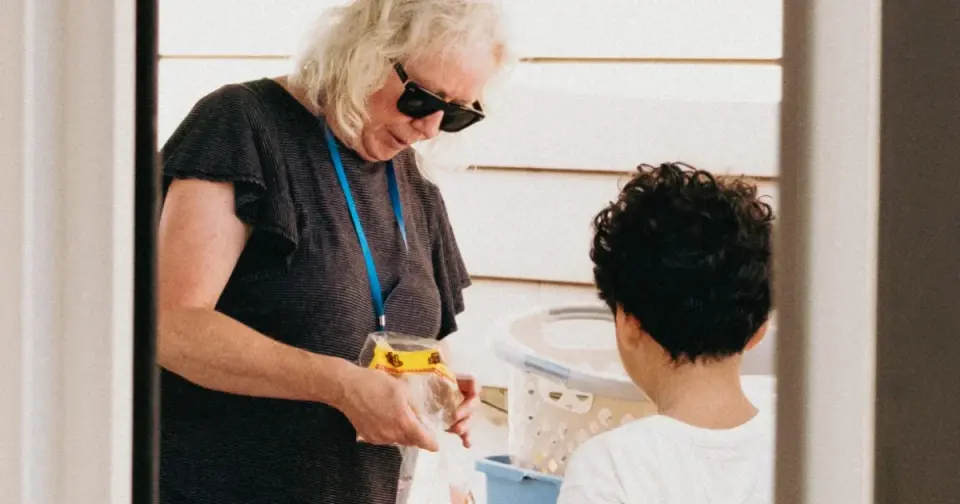
The Supplemental Nutrition Assistance Program (SNAP) has lost over 1 million child beneficiaries since the 'One Big Beautiful Bill' was enacted in 2025. This legislation, which included massive tax cuts for the wealthy, reduced SNAP funding by $186 billion over ten years. The cuts have led to a sharp rise in food insecurity, with 4.3 million fewer people receiving benefits nationwide. Critics argue the policy disproportionately harms women and children, while supporters frame it as necessary to combat fraud. Local food banks report increased demand, and national mayors have urged Congress to reverse the reductions.
Key points
- More than 1 million children have lost SNAP benefits since the 2025 enactment of the 'One Big Beautiful Bill.'
- The legislation reduced SNAP spending by $186 billion over ten years, the largest cut in the program's history.
- Total SNAP enrollment has dropped by 4.3 million people nationwide since 2025.
- The bill included significant tax cuts for the wealthiest 1% of Americans, exceeding $50,000 annually for many.
- Local food banks, such as St. Joseph Social Service Center in New Jersey, report a surge in families seeking assistance.
- Over 200 mayors signed a letter to the Senate calling for the restoration of SNAP funding to address the food security crisis.
Background
The 'One Big Beautiful Bill' was passed in 2025, significantly altering federal social safety nets. Previous coverage in July 2026 highlighted concerns over Medicaid cuts and work requirements tied to the same legislation, which threatened coverage for millions. While some initiatives, like the Trump Accounts program, aimed to benefit children through stock gifts, the broader fiscal policy has been criticized for increasing economic inequality. The current SNAP reductions are part of a larger trend of budget cuts to anti-poverty programs, contrasting with the administration's focus on tax relief for high-income earners.
How outlets are covering it
NBC News highlights the direct impact on children, noting that over 1 million fewer children receive benefits and describing scenes of empty refrigerators and children asking if their families are 'OK.' The National Women's Law Center emphasizes that the cuts disproportionately affect women, who constitute the majority of adult SNAP participants, and frames the bill as a 'Big Ugly Bill' that trades family stability for billionaire tax cuts. The Courier-Journal opinion piece connects SNAP cuts to broader declines in child well-being, including rising infant mortality and educational setbacks, arguing that the nation's wealth is not being used to protect its future. The Raleigh News & Observer criticizes the policy as morally indefensible, noting that the $186 billion SNAP cut is the largest in history and contrasts it with tax cuts for the top 1%. In contrast, the administration and some supporters have framed the cuts as necessary measures to eliminate fraud and waste, though critics argue this justification ignores the economic realities of low-income families.
Why it matters
The reduction in SNAP benefits signals a significant shift in U.S. social policy, prioritizing tax cuts for the wealthy over direct anti-hunger programs. With 4.3 million people losing access to food assistance, the long-term consequences include increased child poverty, potential health crises, and economic strain on local communities. The opposition from mayors and advocacy groups suggests a growing political backlash against the 'One Big Beautiful Bill,' as the tangible effects of hunger become more visible across the country.
What to watch
Advocacy groups and local governments are expected to continue pressing Congress to reverse the SNAP cuts. The USDA will likely release further data on enrollment trends in the coming months. Legal challenges may emerge as states and organizations argue that the cuts violate federal mandates or disproportionately harm vulnerable populations. Public pressure may intensify if food insecurity rates continue to rise, potentially influencing the 2026 political landscape.
- ‘Mom, are we OK?’ Children worry their families can’t afford food after Trump’s SNAP cuts NBC News
- We have reason to be deeply concerned about America's kids | Opinion The Courier-Journal
- In States Across the U.S., the Big Ugly Bill Is Making Families Go Hungry National Women's Law Center
- A ‘Christian nation’ doesn’t treat its children this cruelly | Opinion Raleigh News & Observer
- To the Editor: Is this really what we want for our children? FauquierNow
Want the full story? Read the original reporting
Read on NBC News