
Springfield’s economic collapse and a 40-mile march mark the fallout of Haiti’s TPS termination
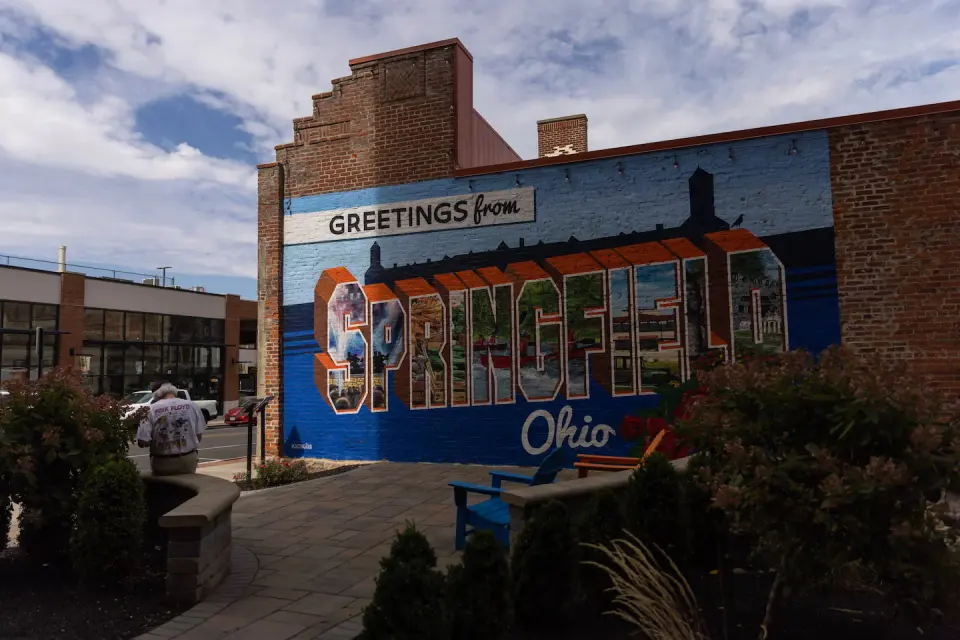
The revocation of Temporary Protected Status (TPS) for Haitians has triggered a severe economic and social crisis in Springfield, Ohio. As residents face deportation or mandatory ankle monitoring, local businesses are shuttering and jobs are vanishing. In response, faith leaders and community members have launched a 40-mile march to Columbus to demand an end to the monitoring program and ICE presence in the city.
Key points
- Springfield’s economy is deteriorating as Haitian residents, who previously filled low-wage jobs in factories and warehouses, are forced to sequester in homes or leave the city.
- The Supreme Court upheld the Trump administration’s decision in June to end TPS for approximately 350,000 Haitians, a move that has affected over a million immigrants from 13 countries.
- A 40-mile, four-day march from Springfield to the Ohio statehouse in Columbus began on October 21, demanding the end of ankle monitors, the removal of ICE from Springfield, and permanent protected status for Haitians.
- The city’s decline follows a 2024 national spotlight on Springfield, where President Trump cited the town to justify mass deportation, while local leaders highlight the loss of a vital workforce.
- The crisis has intensified ahead of the 2026 midterm elections, with Ohio becoming a key swing state and Trump visiting the region to rally support for his immigration enforcement policies.
Background
Springfield, Ohio, became a national symbol of the US immigration debate in 2024 after President Trump cited the city to support his anti-immigration platform. The town had seen a rapid influx of Haitian migrants, many fleeing the 2010 earthquake and 2021 political violence, who revitalized the local economy through low-wage labor. Recent archive coverage highlights the tragic suicide of Pierre Damas Bel, a 20-year-old Haitian student, in August 2026, which sparked national outrage and a $260,000 fundraiser. His death, linked by his family to the humiliation of wearing an ICE ankle monitor, occurred just weeks after the Supreme Court ruled in favor of the Trump administration’s TPS termination. The current crisis is part of a broader pattern of de-industrialization in the Midwest, where the loss of traditional manufacturing jobs was temporarily offset by immigrant labor, a dynamic now reversing as federal enforcement intensifies.
How outlets are covering it
The Washington Post emphasizes the economic vacuum left by the departure of Haitian residents, noting that the city’s motto, 'Speak a good word for Springfield or say nothing,' is being tested as businesses close and jobs disappear. BBC reporting highlights the human cost, focusing on the suicide of Pierre Damas Bel and the division in the community between long-time residents who support ICE enforcement and those who view the Haitian community as essential. WHIO TV focuses on the immediate political action, detailing the specific demands of the marchers, including the removal of ankle monitors and the return of detained individuals to their families. While the administration frames the TPS termination as a 'win for the rule of law' and a return of the town to its 'original' state, local business owners and faith leaders argue that the city is being hollowed out, with some residents expressing fear of ICE raids and others citing the 'shame and humiliation' of the monitoring program.
Why it matters
The situation in Springfield serves as a microcosm for the broader national impact of the Trump administration’s immigration policies. It highlights the tension between federal enforcement and local economic stability, as well as the human toll of the TPS termination. The 2026 midterm elections will likely hinge on these issues, with Ohio as a swing state and voters deciding whether to support the administration's aggressive deportation drive or the economic and social consequences it is producing in communities like Springfield.
What to watch
The 40-mile march to Columbus is expected to conclude in a few days, where organizers will present their demands to Ohio lawmakers. The outcome of the 2026 midterm elections in Ohio will be a critical indicator of public sentiment regarding the administration's immigration policies. Additionally, the legal and humanitarian status of the remaining Haitian residents in Springfield remains uncertain, with many facing imminent deportation or continued monitoring.
- ‘There are no people’: Springfield, Ohio, faces loss of Haitian residents The Washington Post
- Haitian migrants changed this town - Trump's deportation drive is reshaping it again BBC
- Haiti Deportation Crisis PBS
- Leaders walking to Columbus, demanding end to ankle monitors for Haitian immigrants WHIO TV
- Yellow Springs cinematographer contributes to PBS documentary on Haitians in Springfield WYSO
Want the full story? Read the original reporting
Read on The Washington Post