
Louisiana’s Hidden Court System Generates Millions in Fees for Judges
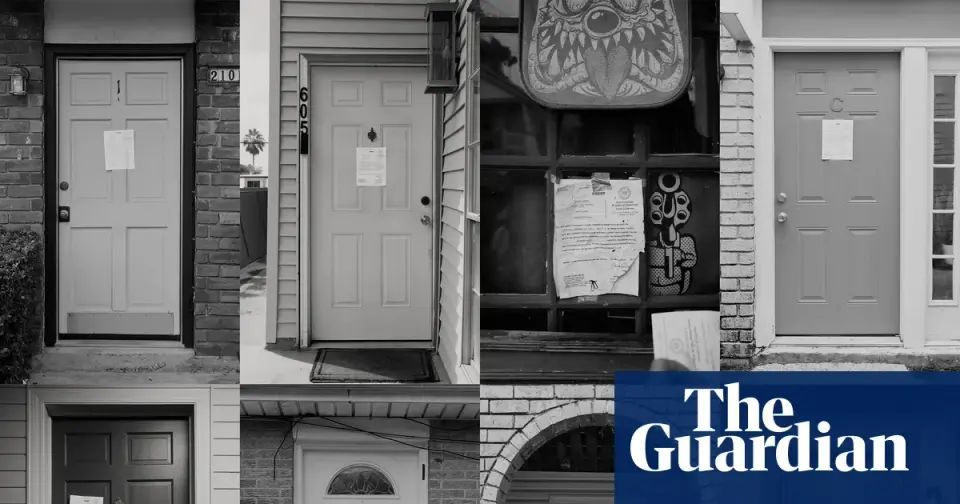
A little-known Louisiana court system processes thousands of evictions annually, generating millions in fees for judges. The Guardian reports that this specialized judicial branch operates with limited public scrutiny, raising concerns about transparency and the financial incentives embedded in housing disputes. While specific details on the volume of cases or exact fee structures are not fully detailed in the provided text, the core issue is the lucrative nature of these proceedings for judicial officials.
Key points
- Louisiana has a specialized, little-known court system dedicated to eviction cases.
- This system churns out thousands of eviction orders each year.
- The process generates millions of dollars in fees that go to judges.
- The Guardian highlights the lack of public awareness regarding this judicial branch.
- The financial incentives for judges in these cases are a central point of concern.
Background
This story emerges amid broader national discussions regarding housing instability and the impact of federal policy changes on vulnerable populations. Recent archive coverage noted that thousands of legal immigrants lost Medicaid coverage in October 2026 due to new federal rules, highlighting how administrative and legal shifts can disproportionately affect low-income residents. Additionally, earlier reports on T-Mobile fee hikes and customer churn illustrate a wider trend of corporate and institutional entities leveraging regulatory or procedural mechanisms to generate revenue, a dynamic that may parallel the financial incentives seen in Louisiana’s eviction courts.
Why it matters
The existence of a high-volume eviction court system that generates significant revenue for judges raises serious questions about judicial independence and the potential for financial bias in housing disputes. If judges profit from the volume of evictions, there may be a conflict of interest that undermines fair treatment for tenants. This lack of transparency in a critical area of housing law could exacerbate homelessness and inequality, particularly in a state already facing economic challenges. Understanding how these fees are structured and distributed is essential for assessing the integrity of the judicial process and the rights of tenants.
What to watch
Further investigation into the specific fee structures and judicial compensation models in Louisiana’s eviction courts is likely. Advocates and legal scholars may push for reforms to decouple judicial income from case volume or fees. Public awareness campaigns could emerge to highlight the impact of these courts on tenants, potentially leading to legislative or judicial oversight measures to ensure fairness and transparency in housing disputes.
Want the full story? Read the original reporting
Read on The Guardian