
Vance Withholds Support for Netanyahu, Citing Focus on US Midterms
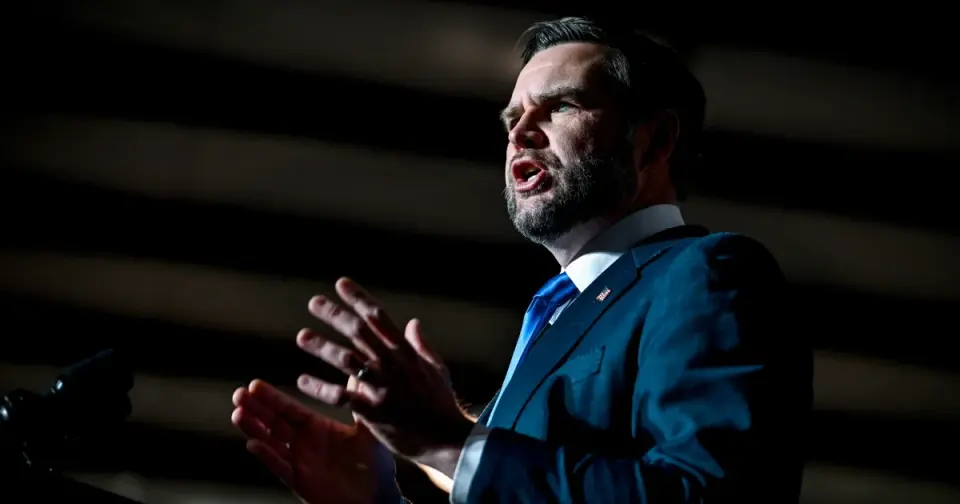
Vice President JD Vance declined to endorse Israeli Prime Minister Benjamin Netanyahu for the October 27 election, stating he is focused on US midterms. This contrasts with President Trump's explicit support for Netanyahu, highlighting a divergence in US administration foreign policy approaches.
Key points
- JD Vance stated he is 'not anti-endorsing' or 'pro-endorsing' Netanyahu, emphasizing his focus on US midterm elections.
- President Trump publicly endorsed Netanyahu on Truth Social, calling him a 'Great Warrior' and warning of US action if a different leader takes power.
- Vance previously campaigned for Hungarian PM Viktor Orbán in April 2026, who was subsequently voted out of office.
- US public support for Israel has declined, with favorable views dropping from 47% in 2022 to 32% in 2026, according to Pew Research Center.
- Vance indicated he has not decided whether to run for president in 2028 but expects Trump's endorsement if he does.
Background
This development follows President Trump's endorsement of Netanyahu on October 18, just nine days before the Israeli election. Previous tensions between the US and Israel over the Iran war and Gaza operations had strained relations. Vance's stance contrasts with his earlier support for Viktor Orbán in Hungary, where he campaigned in April 2026.
How outlets are covering it
NBC News and AP News report Vance's refusal to endorse Netanyahu as a focus on US midterms, while CNBC highlights the divergence from Trump's explicit support. Politico notes Vance's previous foreign endorsements, such as for Orbán. All sources agree on Vance's statement that he is 'not anti-endorsing' or 'pro-endorsing' Netanyahu. NBC News emphasizes the decline in US public support for Israel, while CNBC notes the vigorous debate in America about Netanyahu's response to the Hamas attack.
Why it matters
Vance's decision highlights a potential split in US administration foreign policy, with Trump actively supporting Netanyahu while Vance remains neutral. This divergence may impact US-Israel relations and the outcome of the Israeli election, especially given declining US public support for Israel and ongoing tensions over the Iran war and Gaza.
What to watch
The Israeli election is scheduled for October 27. Vance's stance may influence US-Israel relations and the perception of US support for Netanyahu. The outcome of the election and Vance's potential 2028 presidential run will be key developments to watch.
- Vance declines to endorse Netanyahu after Trump offers full support for re-election NBC News
- JD Vance declines to endorse Netanyahu for reelection, says he’s focusing on midterms AP News
- JD Vance refrains from endorsing Israeli leader Netanyahu as Trump offers praise CNBC
- JD Vance declines to endorse Israeli PM Netanyahu for reelection Politico
- Trump backs Netanyahu: Is the US planning a new Iran attack with Israel? Al Jazeera
Want the full story? Read the original reporting
Read on NBC News