
Trump Condemns Former Lawyer’s $50M Pardon Deal as 'Obnoxious'
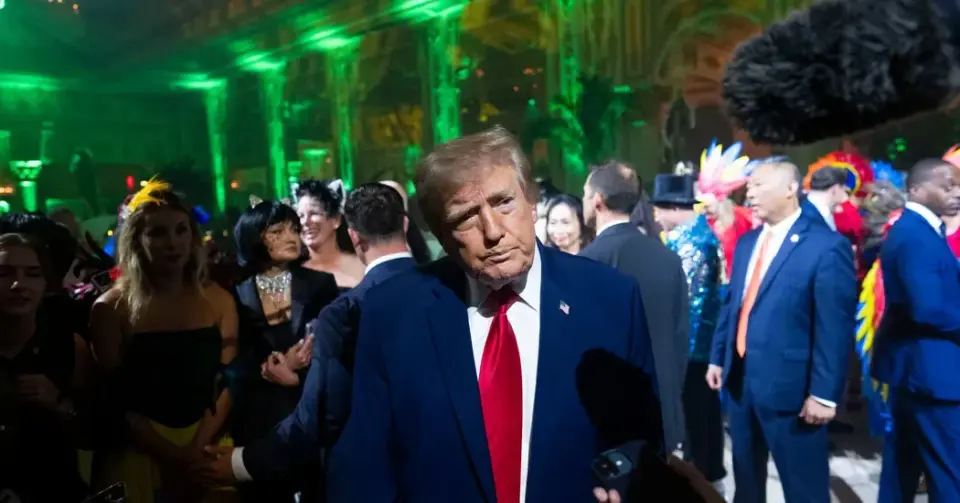
President Trump criticized his former lawyer, Alina Habba Mildon, for accepting a $50 million contract to represent a Venezuelan family seeking a presidential pardon. Speaking at a Halloween event in Florida, Trump labeled the arrangement 'obnoxious and outrageous' and 'not acceptable.' The deal was signed while Mildon served as a senior adviser at the Justice Department, and the pardon was granted shortly after the contract was finalized.
Key points
- Trump described the $50 million deal as 'totally obnoxious and outrageous' during a press interaction at his Mar-a-Lago club in Palm Beach, Florida.
- Alina Habba Mildon, a former White House lawyer, signed the contract last year while holding a senior advisory role at the Justice Department.
- The contract was for general counsel services to a company founded by the daughter of Julio Herrera Velutini, a billionaire Venezuelan.
- President Trump granted a pardon to Julio Herrera Velutini weeks after Mildon signed the lucrative agreement.
- Trump stated that the financial arrangement was 'not acceptable' given Mildon's position within the administration.
Background
This incident highlights ongoing scrutiny regarding conflicts of interest and ethical boundaries within the Trump administration. Previous coverage has noted various controversies involving administration figures and external business interests, such as the removal of AI-related campaign content by a former PAC lawyer and diplomatic tensions regarding fuel deals. While those earlier events focused on foreign policy and election integrity, the current situation centers on domestic legal ethics and the intersection of private legal work with executive clemency powers.
Why it matters
The public criticism from the president regarding a former aide’s financial dealings raises questions about the administration’s internal compliance standards and the potential for conflicts of interest in pardon decisions. It may influence how future legal appointments and clemency requests are evaluated for ethical propriety.
What to watch
No immediate follow-up actions were specified in the source. However, the public nature of the criticism may lead to further inquiries or statements from the Justice Department regarding the timing of the pardon relative to the contract.
Want the full story? Read the original reporting
Read on The New York Times