
Cornell suspends fraternity parties amid gang-rape lawsuit and faculty no-confidence vote
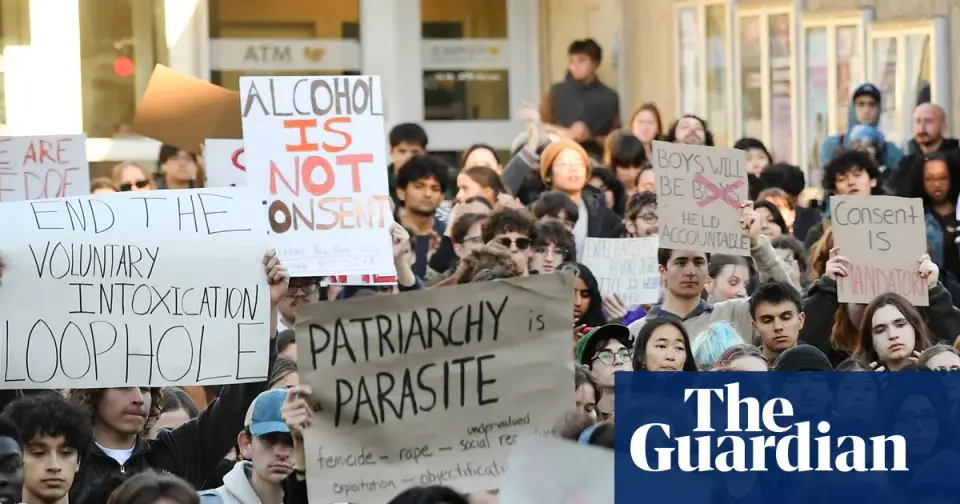
Cornell University has suspended all fraternity parties for the remainder of the academic year following a civil lawsuit alleging a 2024 gang rape at the Chi Phi house. President Michael Kotlikoff announced the ban to allow for a thorough review of fraternity safety, though he stated Greek life should end permanently if it cannot be proven safe. The move has divided the student body, with some viewing it as a necessary safety measure and others criticizing it as a manipulative distraction from systemic failures in the university’s judicial process. Simultaneously, the Faculty Senate is debating a no-confidence resolution against the administration, with a vote expected on October 28.
Key points
- Cornell University suspended all fraternity parties and social gatherings for the rest of the academic year on October 13, 2026.
- The decision follows a civil lawsuit filed by a former student, referred to as Jane Doe, alleging she was drugged with ketamine and gang-raped by seven Chi Phi members in October 2024.
- President Michael Kotlikoff stated that Greek life should be ended permanently if an independent review cannot confirm that fraternity gatherings can be conducted safely.
- An independent investigation into the university’s response to sexual misconduct is underway, led by former U.S. Deputy Attorney General Sally Yates.
- The Faculty Senate is debating a resolution of no confidence in the administration, with a vote scheduled for October 28, 2026.
- None of the seven men named in the lawsuit have been criminally charged, and all have denied wrongdoing.
Background
This development follows months of intense campus unrest, including protests and vandalism, triggered by the September 2026 filing of the civil lawsuit. Earlier in 2026, New York Attorney General Letitia James was appointed as a special prosecutor to review the case after the Tompkins County District Attorney declined to pursue criminal charges. The university had previously disbarred Chi Phi from campus in 2025 following the initial incident, but the civil suit reignited debates over the university’s handling of the case and its broader Greek life culture.
How outlets are covering it
The Guardian reports that student opinions are sharply divided. Some students, including a sophomore in the school of industrial and labor relations, support the ban as a necessary response to the alleged assault. However, Jack Huber of Students for a Democratic Cornell argues the ban is a 'purposefully manipulative' tactic to scapegoat fraternities and distract from the university’s failure to implement an independent judicial system. Darius Pierce, a sophomore in the college of architecture, believes the administration is using the ban to cover up its own faults. The New Yorker focuses on the cultural context, arguing that the case highlights a failure to provide a humane account of sex and criticizes media narratives that shame the victim for her initial consent to a threesome. The Harvard Crimson editorial board argues that the ban is a misguided paternalistic measure, noting that universities have limited leverage over private student associations and that such bans may simply push social activity into less visible, harder-to-monitor settings. CBS News highlights the political tension, noting that the Faculty Senate is debating a no-confidence resolution against the administration due to perceived mishandling of the crisis.
Why it matters
The situation underscores the growing crisis of trust between elite university administrations and their student bodies regarding the handling of sexual violence. The decision to suspend fraternity parties, while intended to address safety concerns, has highlighted deep divisions over the effectiveness of administrative bans versus systemic judicial reform. The ongoing faculty no-confidence vote and the independent investigation led by Sally Yates signal that the institutional credibility of Cornell is under severe scrutiny, potentially setting a precedent for how other universities respond to similar allegations in the future.
What to watch
The Faculty Senate is expected to vote on the no-confidence resolution on October 28, 2026. The independent review of fraternity life, led by Sally Yates, will determine whether Greek life can continue at Cornell. The civil lawsuit against the university and the seven accused men will proceed through the courts, with no criminal charges currently filed. The university will also implement new support structures, including a case manager for sexual misconduct reports, as part of its announced reforms.
- ‘Is this too little, too late?’: Cornell students on school’s response to gang-rape allegations The Guardian
- Cornell Board Presents United Front Amid Crisis Over Sexual Assault Allegations The New York Times
- The Toxic Logic Behind the Shaming of Cornell’s Jane Doe The New Yorker
- Cornell's Greek life should end permanently if found to be not safe, school president says CBS News
- Harvard, Cornell, and the Perils of Paternalism The Harvard Crimson
Want the full story? Read the original reporting
Read on The Guardian