
Retiree in Maryland struggles to meet new SNAP work rules while caring for family
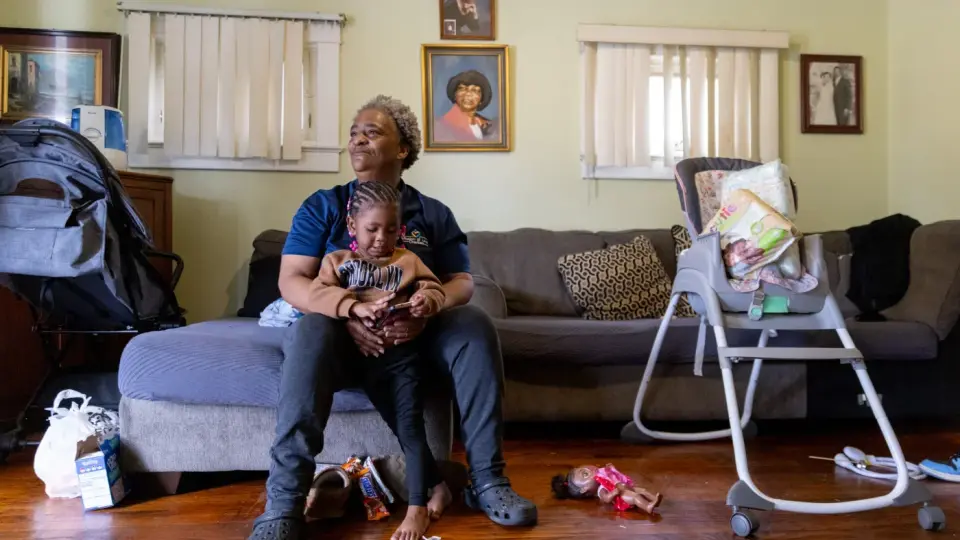
Lisa Reese, a 62-year-old early retiree in Capitol Heights, Maryland, faces significant hurdles accessing food assistance due to new federal work requirements. After leaving her job to care for her mother, uncle, and granddaughter, she relies on a small monthly SNAP benefit that mandates 80 hours of work, training, or volunteering. While she currently volunteers at a local charity to maintain eligibility, rising costs and physical health issues threaten her ability to sustain this arrangement, particularly as new Medicaid work rules take effect next year.
Key points
- Reese retired at 62 to provide unpaid care for her 80-year-old mother, an uncle recovering from liver cancer surgery, and her 2-year-old granddaughter.
- She receives $63 monthly in SNAP aid but must fulfill an 80-hour monthly work or volunteer requirement under the One Big Beautiful Bill.
- Reese currently volunteers four hours a week at Mission of Love Charities to meet these requirements, allowing her to care for her granddaughter during the day.
- The nonprofit reports increased demand for services and has hired additional staff to help navigate complex eligibility rules.
- Reese faces potential loss of Medicaid coverage next year due to similar work requirements, which she fears she cannot meet due to arthritis and other health issues.
- She is considering leaving federal aid to purchase a private health plan, though this would strain her budget until she turns 65.
Background
This situation occurs amid a broader decline in SNAP enrollment, which dropped 13% to 36.5 million by June 2026 following the implementation of the One Big Beautiful Act. The legislation expanded work requirements to ages 18-64 and shifted 75% of administrative costs to states. Additionally, Nebraska became the first state to enforce federal Medicaid work requirements in May 2026, ahead of a national January 2027 deadline, highlighting the administrative challenges and coverage gaps associated with these policy changes.
Why it matters
The case of Lisa Reese illustrates the practical impact of expanded work rules on older adults who were previously exempt from such requirements. It highlights the tension between federal efforts to reduce program costs and the reality of individuals facing physical limitations and caregiving responsibilities. The potential loss of Medicaid coverage next year could leave vulnerable retirees without adequate healthcare, exacerbating financial instability for those relying on federal safety nets.
What to watch
Reese is researching private health insurance options to replace Medicaid, aiming to secure coverage before the new work rules take effect. Meanwhile, Mission of Love Charities is seeking additional volunteer placement opportunities to help clients meet federal requirements without overburdening their own resources. The broader implementation of Medicaid work rules is expected to continue across states in 2027, potentially affecting millions of recipients.
Want the full story? Read the original reporting
Read on NPR