
US clocks fall back Nov. 1 as permanent daylight saving bill stalls in Senate
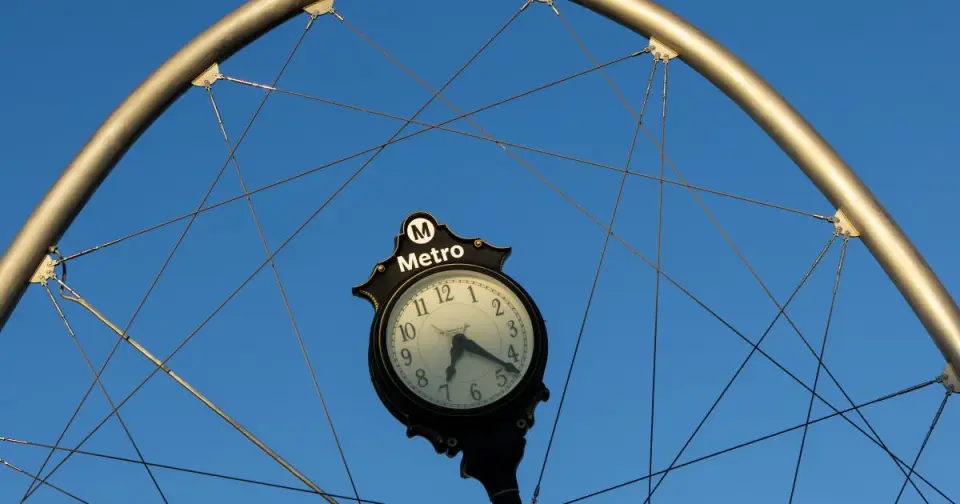
Most of the United States ended daylight saving time at 2 a.m. on Nov. 1, 2026, reverting to standard time and granting an extra hour of sleep. While the shift brings earlier sunrises, the debate over making daylight saving permanent remains unresolved. The Sunshine Protection Act passed the House in July but is stalled in the Senate, with health experts favoring standard time for circadian health and advocates supporting permanent daylight saving for evening light.
Key points
- Clocks fell back one hour at 2 a.m. local time on Nov. 1, 2026, marking the end of daylight saving time for most of the US.
- The Sunshine Protection Act, which would make daylight saving time permanent, passed the House in July but remains stalled in the Senate.
- Hawaii, most of Arizona, and several US territories do not observe daylight saving time.
- Daylight saving time will resume on March 14, 2027.
- Health experts note that standard time better aligns with circadian rhythms, though permanent daylight saving could increase pedestrian collision risks.
Background
The US first adopted daylight saving time in 1918 during World War I to conserve fuel. Congress repealed the practice after the war but allowed states to opt in. Uniform start and end dates were established in 1966, and the current schedule (first Sunday in November to second Sunday in March) took effect in 2007. California voters approved a measure in 2018 to end daylight saving time, but implementation efforts have failed. The Sunshine Protection Act seeks to make daylight saving permanent, but Senate opposition, including from Sen. Tom Cotton (R-Ark.), has stalled the bill. If the bill fails to pass before the 119th Congress ends in January, the effort must restart in the new Congress.
How outlets are covering it
The Los Angeles Times and CBS News emphasize the practical impact of the time change, noting that most Americans gained an hour of sleep and that cellphones will update automatically. CBS News highlights the political tension, noting that President Trump urged the public to call Sen. Tom Cotton to support the Sunshine Protection Act, while Cotton argued that permanent daylight saving would lead to 'absurdly late sunrises in the winter.' USA Today focuses on the logistical details, confirming the Nov. 1 change and the March 14, 2027 resumption, while noting that more than a dozen states want to make daylight saving permanent but require congressional approval. Scientific American provides a health-focused perspective, citing research that standard time better aligns with circadian rhythms and reduces heart attack risks, though it notes that the March 'spring forward' change is more disruptive than the November 'fall back.' The outlet also warns that permanent daylight saving could increase vehicle collisions with pedestrians due to darker morning commutes. All sources agree on the Nov. 1 time change and the stalled status of the Sunshine Protection Act, but they differ in emphasis: LA Times and CBS News focus on the political debate, USA Today on the logistical details, and Scientific American on the health implications.
Why it matters
The twice-annual clock change affects sleep schedules, commuting safety, and public health. The stalled Sunshine Protection Act highlights a deep divide between those who prioritize evening daylight and those who prioritize circadian health. If the bill fails to pass before the 119th Congress ends in January, the effort to make daylight saving permanent will have to restart, potentially delaying any change for years. The Nov. 1 change also serves as a reminder that the US remains one of the few major economies that still observes daylight saving time, with significant political and health implications.
What to watch
The Senate must decide whether to advance the Sunshine Protection Act before the 119th Congress ends in January. If the bill fails, the effort to make daylight saving permanent will have to restart in the new Congress. Daylight saving time will resume on March 14, 2027, at 2 a.m. local time. In the meantime, Americans are advised to adjust their sleep schedules, take advantage of morning sunlight, and stay alert during dark commutes. Health experts recommend using the extra hour of sleep to establish better sleep habits, while advocates for permanent daylight saving continue to push for legislative action.
- Daylight saving time ends tonight. Here’s when to set your clocks back Los Angeles Times
- Daylight saving time 2026 ended today. Here's what time the clocks changed and more key details. CBS News
- Daylight saving time has ended. Here's when clocks spring forward USA Today
- Opinion | Why daylight saving time should be eliminated entirely The Washington Post
- How to ‘fall back’ this weekend without losing your mind Scientific American
Want the full story? Read the original reporting
Read on Los Angeles Times